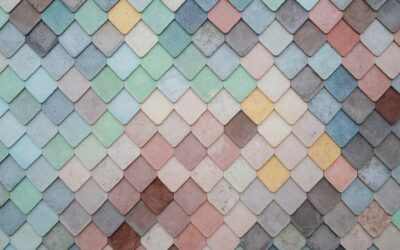
Ask ten contractors which is the best tile and you will get ten answers, because the right choice depends entirely on where it goes and how hard it has to work. A glossy marble that looks stunning on a bathroom wall would be a slip hazard on a kitchen floor. The trick is matching the material, finish, and rating to the room. This guide breaks down the main tile families, the numbers that actually matter, and which tile wins for each space in your home.
Part of our Tile & Grout guide — explore the full guide →
Porcelain: The All-Around Champion
If you want one tile that does almost everything well, porcelain is it. Fired at higher temperatures than ceramic, porcelain is denser, harder, and absorbs less than 0.5 percent of its weight in water. That low absorption makes it the go-to for bathrooms, kitchens, mudrooms, and even covered patios. Through-body and color-body porcelain hides chips because the color runs deeper than the surface glaze. Expect to pay $3 to $10 per square foot for most styles, with large-format and wood-look planks at the upper end.
Ceramic: Budget-Friendly and Versatile
Glazed ceramic is softer and more porous than porcelain, but it is also cheaper and easier to cut, which makes it a favorite for walls, backsplashes, and light-traffic floors. Material commonly runs $1 to $7 per square foot. Ceramic is a smart pick for a guest bathroom wall or a laundry room, but skip it for heavy-traffic entryways where the harder porcelain will simply last longer.
Natural Stone: Beauty With Maintenance
Marble, travertine, slate, and granite bring a look no manufactured tile fully replicates. Each piece is unique. The trade-off is care. Most natural stone is porous and needs sealing on installation and then periodically afterward, often once a year. Marble etches when it meets acids like lemon juice or wine, so it is best on walls, fireplaces, and low-use floors rather than busy kitchens. Slate and granite are tougher and handle floors well. Budget $5 to $25 per square foot, plus sealer.
The Ratings That Actually Matter
Marketing photos sell tile, but a few standardized numbers tell you whether it will survive your space.
- PEI rating: Measures surface wear from 1 to 5. Use PEI 3 or higher for residential floors and PEI 4 to 5 for busy entries and commercial spaces.
- Water absorption: Below 0.5 percent is impervious (porcelain), making it suitable for wet and freeze-prone areas.
- COF (slip resistance): Look for a dynamic coefficient of friction of 0.42 or higher for wet floors and showers.
- Size and rectified edges: Rectified (precisely cut) tile allows thinner grout lines for a cleaner look.
Best Tile by Room
Here is where each material earns its keep:
- Kitchen floor: Textured or matte porcelain, PEI 4, for durability and grip near the sink.
- Bathroom floor and shower: Porcelain with a high COF for the floor, smaller mosaic tile for shower pans so grout adds traction.
- Backsplash: Glazed ceramic subway or glass mosaic, easy to wipe and inexpensive.
- Entryway and mudroom: Through-body porcelain or slate that hides grit and resists chips.
- Accent wall or fireplace: Marble or polished stone, where looks matter more than abuse resistance.
Glass, Cement, and Specialty Tiles
Beyond the big three, a few specialty options deserve a mention. Glass tile is non-porous, stain-proof, and reflects light beautifully, which makes it a favorite for backsplashes and accent strips, though it scratches more easily and is rarely used on floors. Encaustic and cement tiles deliver bold, patterned looks with a handmade feel, but they are porous and need sealing to resist stains, so they suit lower-traffic floors and decorative areas. Terracotta brings warm, rustic character and is wonderful in kitchens and entries, provided you keep it sealed. These materials are about character first, so reserve them for spots where their distinct look earns its keep.
Don’t Forget Trim and Transitions
A tile job looks professional or amateur based largely on the edges. Plan for bullnose pieces, metal edge profiles, or mitered corners to finish exposed tile edges cleanly, since a raw cut edge looks unfinished and can chip. Where tile meets a different flooring, use a transition strip rated for the height difference. Inside showers, prebuilt niches and bullnose caps keep things watertight and tidy. Ordering these trim pieces in the same color and dye lot as your field tile at the start of the project saves a frustrating scramble later when the original run has sold out.
Buying Smart and Avoiding Regret
Order 10 to 15 percent extra to cover cuts, breakage, and future repairs, since dye lots change between production runs. Always view tile under your own lighting, not just store fluorescents, because color and sheen shift dramatically. For floors, lean toward matte or lightly textured surfaces; high-gloss tile shows footprints, water spots, and scratches fast. Finally, factor in grout. A stain-resistant epoxy or a quality sealed grout keeps light-colored joints looking fresh far longer than standard cement grout.
The Bottom Line
There is no single best tile, only the best tile for the job. Porcelain wins most floor and wet-area battles on durability and value, ceramic is the practical pick for walls and lighter use, and natural stone delivers unmatched character where you are willing to maintain it. Match the rating to the room, order extra, and you will end up with a floor or wall that looks great and holds up for decades.
One last consideration is installation. Large-format tiles, natural stone, and intricate patterns are harder to set flat and demand a perfectly prepared substrate, so they often justify hiring a professional. Simple wall tile and small backsplashes are within reach of a confident DIYer. Whoever installs it, the right setting materials matter: use a thinset rated for your tile and substrate, the correct trowel size, and an uncoupling membrane on floors prone to movement to prevent cracks. Pair the best tile for your space with proper installation, and the result will perform and look beautiful far longer than the few extra hours of care it takes to get there.
Prefer to explore on your own?
See how new flooring looks in your actual room in seconds — free, no signup.
Try the free Floor Studio →