The industrial, concrete-inspired look has moved from loft conversions into mainstream homes, and cemento tile is how most people get it. The term covers two related ideas: porcelain tile manufactured to mimic the soft gray, mottled surface of poured concrete, and authentic cement-based tiles. Both deliver that minimalist, urban aesthetic, but they perform very differently, and knowing which one you are buying is essential.
Part of our Tile & Grout guide — explore the full guide →
This guide explains the difference, where the look works best, what it costs, how to handle sealing and maintenance, and how to decide between the convenient porcelain version and the more demanding authentic option.
What Cemento Tile Actually Means
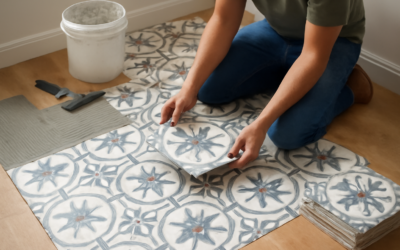
Most often, cemento tile refers to concrete-look porcelain, a ceramic product printed and textured to resemble cement. It captures the muted grays, subtle cloudiness, and matte finish of concrete while being far easier to live with. The other meaning is genuine cement tile, sometimes called encaustic cement tile, which is handmade from pigmented cement and pressed rather than fired. Authentic cement tiles are famous for bold patterns and rich color, but they are porous and require diligent care.
Because the same word covers both, always confirm whether a product is porcelain that looks like cement or actual cement, since the two could not be more different in upkeep.
Concrete-Look Porcelain Versus Authentic Cement
The practical contrast drives nearly every buying decision. Here is how they compare:
- Porcelain (concrete-look): dense, low-absorption, highly durable, needs no sealing, easy to clean, and resists stains and moisture.
- Authentic cement tile: porous, softer, requires sealing and ongoing maintenance, can stain and etch, but offers genuine handmade character and unrepeatable color depth.
- Consistency: porcelain is uniform and predictable; cement tile varies handmade piece to piece.
- Best fit: porcelain for busy floors and wet areas; cement for low-traffic feature spaces where you will commit to upkeep.
For most homeowners chasing the concrete look without the labor, the porcelain version is the practical winner.
Where the Look Works Best
The cool, neutral concrete aesthetic suits a wide range of spaces. Common applications include:
- Open-plan living and kitchen floors, where the minimalist surface ties spaces together.
- Bathrooms and showers, where porcelain’s water resistance shines.
- Modern feature walls and fireplace surrounds, for an industrial accent.
- Entryways and mudrooms, where durability and easy cleaning matter.
The understated gray palette pairs beautifully with wood, black metal, and warm textiles, softening the industrial edge so a room feels modern rather than cold.
Cost Expectations
Pricing depends on type, format, and brand, so treat these as planning estimates and gather local quotes. Concrete-look porcelain commonly runs in the range of roughly $3 to $9 per square foot for material, with large-format and premium lines higher. Authentic encaustic cement tile is typically more expensive, often $10 to $25 or more per square foot, reflecting its handmade nature. Installation adds labor, generally a similar range again per square foot depending on tile size, layout complexity, and your region. Large-format concrete-look tiles cost more to set because they require flatter subfloors and skilled handling.
Sealing and Maintenance
This is where the two types diverge sharply. Porcelain needs no sealing; routine sweeping and damp-mopping with a pH-neutral cleaner keep it looking new, though the grout may benefit from sealing. Authentic cement tile is a different commitment:
- It must be sealed before grouting and again after, then periodically for the life of the floor.
- It can react with acidic substances, so spills like wine, citrus, and vinegar must be wiped promptly.
- It develops a patina over time, which some owners love and others see as wear.
- It calls for gentle, pH-neutral cleaners and no harsh chemicals.
If low maintenance is a priority, that difference alone often settles the choice in favor of porcelain.
Installation Considerations
Both types reward proper subfloor prep, but large-format concrete-look porcelain is especially demanding of a flat substrate, since any high spot shows as lippage between big tiles. Use the correct large-format mortar, back-butter the tiles, and consider a leveling clip system for flush edges. Authentic cement tiles, being handmade, can vary slightly in thickness and size, so they require careful layout and a setter experienced with the material. For either, hiring a skilled tile installer protects your investment, particularly in wet areas where waterproofing must be done correctly.
Formats, Finishes, and Sizes
Concrete-look porcelain comes in a wide range of formats, and the size you choose shapes the room as much as the color does. Common options include:
- Large-format slabs, like 24-by-48-inch panels, that minimize grout lines for the most seamless poured-concrete effect.
- Standard squares and rectangles, easier to install and well suited to smaller rooms.
- Plank shapes, which blend the concrete look with a more linear layout.
- Mosaic sheets, useful for shower floors and accent areas.
Finishes typically run matte to lightly textured, which suits the understated concrete aesthetic and improves slip resistance in wet areas. Larger formats deliver the cleanest look but demand flatter subfloors and skilled installation, while smaller tiles forgive minor substrate imperfections and are friendlier to DIY. Match the format to both your room size and your tolerance for prep work.
Design Tips for the Concrete Look
The industrial palette is striking, but a few moves keep it from feeling cold. Warm it up by pairing the cool gray surface with natural wood cabinetry, woven textiles, and plants, which soften the minimalist edge. Layer in metal accents like matte black fixtures or brushed brass for contrast that reads intentional rather than sterile.
Lighting matters too: warm-toned light fixtures counteract the gray’s coolness, while plenty of natural light keeps a concrete-look room feeling open. For grout, a closely matched gray maintains the seamless slab effect, while a slightly contrasting tone defines each tile. Used thoughtfully, the concrete look feels modern and curated, the kind of backdrop that lets furniture and decor take center stage rather than competing with a busy floor.
Is Cemento Tile Right for You?
If you love the clean, industrial concrete look but want a floor that survives kids, pets, and spills with minimal fuss, concrete-look porcelain cemento tile is an excellent, low-maintenance choice. If you are drawn to authentic handmade character and bold encaustic patterns, and you are willing to seal and baby the surface, genuine cement tile delivers a depth and warmth printing cannot match. Decide first which version fits your lifestyle, then view full-size samples in your own lighting before ordering, since the subtle grays read very differently across a whole floor than they do on a small chip.
Prefer to explore on your own?
See how new flooring looks in your actual room in seconds — free, no signup.
Try the free Floor Studio →