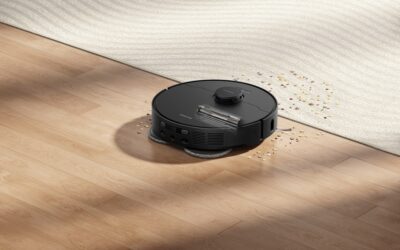
Carpet is one of the most comfortable flooring options in any home, but it also traps dirt, allergens, and stains more readily than hard surfaces. Knowing the best way to clean carpet at every level — from quick daily maintenance to thorough deep cleaning — keeps your floors looking fresh, extends carpet life, and improves indoor air quality.
This guide covers proper vacuuming technique, spot cleaning methods, DIY deep cleaning solutions, machine rental versus purchase considerations, and when to call a professional. Whether you are dealing with everyday dust or a stubborn red wine stain, you will find the right approach here.
Daily and Weekly Vacuuming: The Foundation of Carpet Care
Regular vacuuming removes surface dirt before it works its way into carpet fibers and backing. Skipping this step allows grit to act like sandpaper underfoot, gradually wearing down the pile and dulling the carpet’s appearance.
How Often to Vacuum
- High-traffic areas (hallways, living rooms, entryways): Vacuum every day or every other day.
- Moderate-traffic rooms (bedrooms, offices): Vacuum two to three times per week.
- Low-traffic spaces (guest rooms, formal dining rooms): Once a week is sufficient.
- Homes with pets or allergies: Daily vacuuming throughout the home is strongly recommended.
Proper Vacuuming Technique
Speed matters. Most people vacuum too quickly, which only picks up surface debris. For effective cleaning, use slow, overlapping passes. Push the vacuum forward slowly, then pull it back at the same pace. Each pass should overlap the previous one by about half the width of the vacuum head.
Adjust the height setting on your vacuum to match your carpet pile. If the vacuum is too high, it will not create proper suction. If it is too low, it can be difficult to push and may damage the carpet. The correct setting allows the vacuum to move smoothly while you can hear or feel strong suction engagement.
Do not forget edges and corners. Use a crevice tool along baseboards and in corners where the main vacuum head cannot reach. Dirt accumulates heavily in these areas and often goes unnoticed.
Choosing the Right Vacuum
For carpet, an upright vacuum with a rotating brush bar (beater bar) works best. The brush bar agitates carpet fibers and lifts embedded dirt. HEPA filtration is important for allergy sufferers because it captures fine particles instead of recirculating them into the air.
If you have a mix of carpet and hard floors, look for a vacuum with adjustable suction and the ability to turn the brush bar on and off. Running a brush bar on hard floors can scratch the surface and scatter debris.
Spot Cleaning: Tackling Stains Quickly
The golden rule of carpet stain removal is to act fast. The longer a spill sits, the deeper it penetrates and the harder it becomes to remove. Here is a reliable method that works on most common stains.
General Spot Cleaning Steps
- Blot, never rub. Use a clean white cloth or paper towel. Blot from the outside of the stain toward the center to avoid spreading it.
- Scrape solids. If there is solid matter (food, mud), gently scrape it up with a spoon or dull knife before blotting.
- Apply cleaning solution. Spray or dab a small amount of carpet cleaner onto the stain. Work in small amounts to avoid over-wetting.
- Blot again. Work the solution into the stain by blotting. Repeat as needed with fresh areas of the cloth.
- Rinse with water. Dampen a cloth with plain water and blot to remove cleaning residue.
- Dry thoroughly. Place a stack of paper towels over the area and weigh it down. Let it sit for several hours or overnight to wick out remaining moisture.
Common Stain Solutions
- Coffee and tea: Mix one tablespoon of white vinegar with one tablespoon of dish soap in two cups of warm water.
- Red wine: Blot immediately, then apply club soda. Follow with a vinegar and dish soap solution if needed.
- Pet urine: Blot thoroughly, apply an enzyme-based cleaner designed for pet stains, and allow it to sit for the recommended time.
- Grease and oil: Sprinkle baking soda on the stain, let it sit for 15 minutes to absorb the oil, vacuum, then clean with dish soap and warm water.
- Ink: Dab with rubbing alcohol on a white cloth. Do not pour alcohol directly onto the carpet.
Always test any cleaning solution on an inconspicuous area first to check for color fastness.
DIY Deep Cleaning Methods
Even with regular vacuuming and prompt spot cleaning, carpets need periodic deep cleaning to remove embedded soil, oils, and allergens. You can achieve solid results at home with common household products.
Baking Soda Refresh
Baking soda is excellent for neutralizing odors and loosening surface dirt. Sprinkle a generous layer across the carpet, let it sit for at least 30 minutes (overnight is even better for strong odors), then vacuum thoroughly. This is not a substitute for full deep cleaning, but it freshens carpet noticeably between deeper sessions.
Vinegar and Dish Soap Solution
For a DIY deep clean, combine two tablespoons of white vinegar, one tablespoon of clear dish soap, and two cups of warm water in a spray bottle. Spray section by section, scrub gently with a soft-bristle brush, and blot with clean towels. Finish by going over each section with a damp cloth to remove soap residue, then allow the carpet to dry completely with good ventilation.
This method works well for lightly soiled carpet. For heavily soiled areas, a carpet cleaning machine will deliver far better results.
Hydrogen Peroxide for Tough Stains
A three percent hydrogen peroxide solution can brighten dingy carpet and tackle stubborn stains. Apply a small amount to the stained area, let it fizz for five to ten minutes, then blot clean. Be cautious with dark-colored carpet — peroxide can lighten the dye. Always test in a hidden spot first.
Machine Deep Cleaning: Rental vs. Purchase
Carpet cleaning machines, often called carpet extractors or steam cleaners, inject hot water and cleaning solution into the carpet and then extract the dirty water. They deliver the most thorough clean you can get short of professional service.
Renting a Carpet Cleaner
Most home improvement stores and grocery stores rent carpet cleaning machines for around $30 to $50 per day. This is the most cost-effective option if you deep clean your carpet once or twice a year.
Pros: Lower upfront cost, commercial-grade suction power, no storage required.
Cons: Machines may not be well-maintained, limited rental window, need to pick up and return.
Buying a Carpet Cleaner
Home carpet cleaners range from around $100 for basic models to $400 or more for high-performance units. Brands like Bissell and Hoover offer reliable options. Purchasing makes sense if you have pets, children, or large carpeted areas that need frequent attention.
Pros: Available whenever you need it, clean machine every time, pays for itself over time.
Cons: Higher upfront cost, requires storage space, consumer models have less suction than commercial rentals.
Tips for Machine Cleaning
- Vacuum thoroughly before machine cleaning.
- Pre-treat heavy stains with a spot cleaner.
- Do not over-wet the carpet. Make slow, even passes and use the suction-only mode on return passes.
- Open windows and run fans to speed drying. Carpet should dry within six to twelve hours.
- Avoid walking on the carpet until it is completely dry to prevent re-soiling.
Professional Carpet Cleaning
Professional cleaners use truck-mounted extraction systems that generate significantly more heat and suction than any rental or consumer machine. This level of cleaning removes deep-seated soil, dust mites, and allergens that home methods cannot fully reach.
When to Hire a Professional
- At least once a year for general maintenance, or twice a year for busy households.
- After a major spill or water damage event.
- When carpet looks dull or matted despite regular home cleaning.
- Before applying carpet protector treatments.
- To maintain warranty requirements — many carpet manufacturers require professional cleaning every 12 to 18 months.
What to Expect
Professional carpet cleaning typically costs between $120 and $250 for an average-sized home, depending on square footage and the number of rooms. Most jobs take one to two hours. Drying time is usually four to six hours with professional equipment, compared to much longer with rental machines.
Ask about the method used. Hot water extraction (commonly called steam cleaning) is the most effective and most widely recommended by carpet manufacturers. Dry cleaning methods exist but are generally less thorough.
Carpet Cleaning Frequency Recommendations
| Task | Frequency |
|---|---|
| Vacuuming (high traffic) | Daily or every other day |
| Vacuuming (moderate traffic) | 2–3 times per week |
| Vacuuming (low traffic) | Weekly |
| Spot cleaning | Immediately as stains occur |
| Baking soda deodorizing | Monthly |
| DIY deep clean or machine clean | Every 3–6 months |
| Professional cleaning | Every 12–18 months |
Additional Tips for Long-Lasting Carpet
Beyond cleaning, a few habits make a major difference in how your carpet holds up over time.
- Use doormats. Place mats at every exterior entrance to catch dirt and moisture before they reach the carpet.
- Remove shoes. A no-shoes policy dramatically reduces the amount of soil tracked onto carpet.
- Rearrange furniture periodically. This distributes wear more evenly and prevents permanent indentations.
- Apply carpet protector. Products like Scotchgard add a protective layer that makes spills easier to blot up before they set in.
- Address pet accidents immediately. Enzyme cleaners break down urine proteins and prevent lasting odor that can attract pets back to the same spot.
- Replace vacuum bags and filters regularly. A clogged vacuum loses suction and leaves dirt behind.
With consistent care, quality carpet can last 10 to 15 years or more. Neglected carpet may need replacement in as few as five years. The time you invest in proper cleaning pays off in comfort, appearance, and savings.
For more information on carpet types, fibers, and what to look for when choosing new carpet, visit our complete carpet flooring guide.