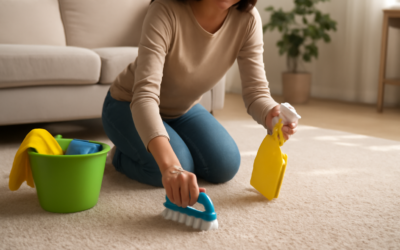
Carpet is a comfortable, warm, and inviting flooring choice, but keeping it looking its best requires a consistent routine. Good carpet care and maintenance protects your investment, extends the life of the fibers, and keeps your home healthier by controlling dust and allergens. The difference between carpet that looks tired in five years and carpet that stays fresh for fifteen often comes down to simple, regular habits. This guide walks you through everything from daily upkeep to deep cleaning, so your carpet stays plush, clean, and beautiful for as long as possible.
It is helpful to think of carpet as a long-term relationship rather than a one-time purchase. The choices you make in the first weeks after installation, and the habits you build over the years that follow, largely determine whether your carpet still looks inviting a decade later or begins to show its age within just a few seasons. None of this requires heroic effort; the most effective care is simply consistent care, a series of small routines woven into normal household life. A few minutes of vacuuming here, a prompt response to a spill there, and a periodic deep clean add up to a dramatic difference over time. Just as importantly, good maintenance is not only about appearance. Carpet acts like a giant filter, capturing dust, allergens, and particles that would otherwise circulate in your air, and keeping it clean directly supports a healthier home environment. Viewing upkeep through both lenses, longevity and wellness, makes the modest ongoing effort feel far more worthwhile, and it frames the practical routines described throughout this guide as investments rather than chores.
- Why Carpet Care and Maintenance Matters
- Vacuuming: Your First Line of Defense
- Tackling Spills and Stains Quickly
- Deep Cleaning Your Carpet
- Managing High-Traffic Areas
- Preventive Habits That Protect Your Carpet
- Common Mistakes to Avoid
- Seasonal Carpet Care Routine
- Dealing With Odors and Pet Messes
- Keeping Your Carpet Beautiful for Years
Why Carpet Care and Maintenance Matters
Neglected carpet does more than look worn; it traps dirt, allergens, and grit that grind against the fibers and accelerate wear. Consistent carpet care and maintenance prevents that abrasive buildup, preserving the pile’s springiness and color. It also improves indoor air quality by removing the dust, pollen, and pet dander that carpet naturally captures. From a financial standpoint, regular upkeep can double or even triple a carpet’s usable lifespan, turning a routine chore into real long-term savings. In short, a little effort now spares you a costly early replacement later.
Vacuuming: Your First Line of Defense
Vacuuming is the single most important habit for healthy carpet. Dirt and grit are abrasive, and removing them before they work deep into the pile is essential. Vacuum high-traffic areas at least twice a week and low-traffic rooms weekly. Move slowly, especially on your final pass, to give the vacuum time to lift embedded soil. Adjust the height setting to match your carpet’s pile, and keep the beater bar off delicate loop carpets to avoid fuzzing. Replace or empty the bag or bin regularly, since a full vacuum loses suction and leaves dirt behind.
- Vacuum high-traffic zones twice weekly, other rooms weekly.
- Make slow, overlapping passes for maximum soil removal.
- Keep filters clean and the collection bin from overfilling.
Tackling Spills and Stains Quickly
The golden rule of stain removal is speed. The faster you address a spill, the less chance it has to set into the fibers. Blot, never rub, using a clean white cloth to absorb as much liquid as possible, working from the outside of the spill inward to avoid spreading it. For most stains, a solution of mild dish soap and warm water works well; apply sparingly, blot, then rinse with plain water and blot dry. Always test any cleaner on an inconspicuous spot first, and avoid harsh chemicals that can bleach or damage the carpet.
Deep Cleaning Your Carpet
Even with diligent vacuuming, carpet needs periodic deep cleaning to remove the soil that settles below the surface. Most experts recommend a thorough deep clean every 12 to 18 months, more often in busy households or homes with pets and children. Hot water extraction, commonly called steam cleaning, is the most effective method, flushing out embedded dirt and reviving the pile. You can rent a machine for a DIY approach or hire professionals for the deepest results. Avoid over-wetting the carpet, and ensure thorough drying to prevent mildew and backing damage.
Managing High-Traffic Areas
Certain zones take far more abuse than others, and targeted carpet care and maintenance keeps them from becoming the first spots to look worn. Entryways, hallways, and the paths between rooms benefit from extra attention. Place walk-off mats at exterior doors to capture grit before it reaches the carpet, and consider area rugs or runners over the busiest lanes to shield the pile. Rotate furniture occasionally to distribute wear and prevent permanent crushing, and use furniture coasters to spread heavy loads and avoid deep dents in the pile.
Preventive Habits That Protect Your Carpet
Prevention is easier than restoration, and a few simple household habits dramatically reduce the burden of carpet upkeep. Small changes to daily routines keep dirt and damage at bay.
- Adopt a no-shoes policy to keep outdoor grime off the carpet.
- Trim pet nails and groom pets to reduce snags and shedding.
- Address spills immediately rather than letting them dry.
- Use protective mats under desk chairs and heavy furniture.
- Keep window coverings drawn during peak sun to reduce fading.
Common Mistakes to Avoid
Well-meaning homeowners often unintentionally harm their carpet. Over-wetting during cleaning is a frequent error that can cause mildew, odor, and backing separation. Rubbing a stain rather than blotting spreads it and frays the fibers. Using too much cleaning solution leaves a sticky residue that actually attracts more dirt, so always rinse thoroughly. Skipping regular vacuuming lets abrasive grit accumulate and grind down the pile. Finally, ignoring manufacturer guidelines or warranty requirements can void coverage, so keep your carpet’s care instructions handy and follow them.
Seasonal Carpet Care Routine
Building a rhythm around the seasons keeps carpet care manageable rather than overwhelming. In spring, tackle a deep clean to remove the accumulated grime of winter, when wet boots and closed windows concentrate dirt indoors. Summer is a good time to address any lingering odors and to refresh high-traffic areas before entertaining. Autumn calls for renewed attention to entryways as leaves and mud return, so refresh your walk-off mats and increase vacuuming frequency near doors. Winter demands vigilance against salt, slush, and moisture tracked in from outside, which can stain and damage fibers if left to sit. Blot up wet spots promptly during the cold months. This seasonal framework spreads the work across the year and ensures no aspect of upkeep gets neglected for too long.
Dealing With Odors and Pet Messes
Carpet can trap odors from pets, cooking, and everyday life, but the right approach keeps it smelling fresh. For general freshening, sprinkle baking soda over the carpet, let it sit for fifteen to thirty minutes, then vacuum it up to absorb odors naturally. Pet accidents demand quick action: blot up as much as possible, then treat the spot with an enzyme-based cleaner formulated to break down organic matter and neutralize odor at the source rather than just masking it. Avoid ammonia-based products for pet messes, since the scent can encourage repeat accidents.
- Deodorize naturally with baking soda before vacuuming.
- Use enzyme cleaners for pet accidents, not just masking sprays.
- Act fast on any mess to prevent odors from setting in.
Keeping Your Carpet Beautiful for Years
Effective carpet care and maintenance is really a collection of small, consistent habits rather than any single heroic effort. Vacuum regularly to remove abrasive grit, treat spills immediately with gentle blotting, deep clean every year or so, and protect high-traffic areas with mats and smart furniture placement. Avoid the common pitfalls of over-wetting and residue buildup, and follow your manufacturer’s guidance. With this routine in place, your carpet will stay soft, fresh, and inviting far longer, rewarding your modest ongoing effort with years of comfort and lasting good looks.