Choosing the best wet mop for laminate floors is trickier than it sounds, because laminate and water have a complicated relationship. Laminate flooring is built on a fiberboard core that swells and warps when water seeps into the seams, so the wrong mop, or the right mop used the wrong way, can permanently damage an otherwise durable floor. The goal is a mop that cleans effectively while leaving the surface barely damp and drying fast. After years of cleaning and specifying floors, I’ll help you pick the right tool and use it safely.
This guide explains why moisture control is everything with laminate, compares the main mop types, highlights the features that matter, and gives you a cleaning routine that keeps laminate looking sharp for decades.
- Best Wet Mop for Laminate Floors: Why Moisture Is the Enemy of Laminate
- Microfiber Flat Mops: The Safe Standard
- Spray Mops for Convenience and Control
- Steam Mops: Proceed With Caution
- Features to Look For When Buying
- How to Clean Laminate the Right Way
- Cleaning Solutions Safe for Laminate
- How Often to Mop Laminate Floors
- Final Recommendation
Best Wet Mop for Laminate Floors: Why Moisture Is the Enemy of Laminate
Laminate planks consist of a printed decorative layer over a high-density fiberboard core, topped with a clear wear layer. That core is essentially compressed wood fiber, and it acts like a sponge if water reaches it through the seams between planks or at the edges of the room. When it absorbs moisture, the core swells, causing edges to lift, peak, or bubble, damage that cannot be repaired without replacing planks.
This is why you should never wet-mop laminate with a sopping-wet string mop and a bucket of water. Standing water is the single fastest way to ruin the floor. The best mop for laminate applies just enough moisture to lift dirt, then either dries quickly or lets you wipe it up before it can penetrate. Control over water, not scrubbing power, is the defining quality you’re shopping for.


Microfiber Flat Mops: The Safe Standard
For most homeowners, a microfiber flat mop is the best all-around choice for laminate. The flat, low-profile pad glides easily, and microfiber’s dense fibers grab dust, hair, and grime while holding only a light amount of moisture. You wring the pad out until it’s just damp, not wet, and the floor dries within moments, protecting the seams.
The washable, reusable pads are economical and hygienic, and you can use them dry for dusting or lightly damp for cleaning. Look for a swivel head that maneuvers around furniture and a comfortable handle length. Microfiber flat mops are inexpensive, effective, and forgiving, which is exactly what laminate needs. If you buy nothing else, a good microfiber flat mop with several spare pads will serve you well.
Spray Mops for Convenience and Control
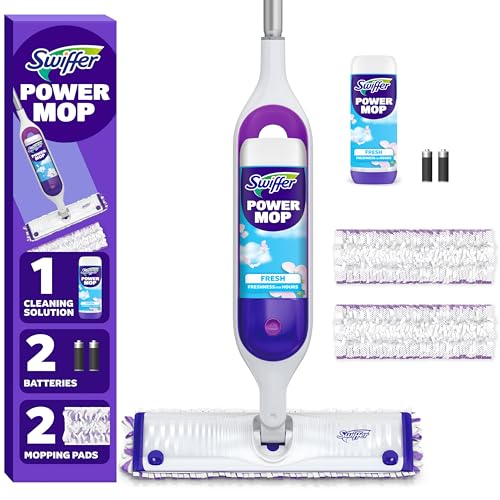
Spray mops build on the microfiber flat design by adding a refillable solution reservoir and a trigger that mists cleaner directly onto the floor ahead of the pad. Because you control exactly how much liquid hits the floor, and because it’s a fine mist rather than a puddle, spray mops give excellent moisture control, which laminate loves. You spray a small area, wipe it with the attached microfiber pad, and move on.
The refillable reservoir also lets you use a laminate-safe cleaning solution or a simple diluted mix rather than commercial pre-filled cartridges, which is more economical and lets you avoid harsh chemicals. Spray mops are one of the most popular choices for laminate precisely because they combine the safety of microfiber with the convenience of on-demand cleaning solution and no bucket to lug around.
Steam Mops: Proceed With Caution
Steam mops are excellent on sealed tile and stone, but on laminate they are controversial and risky. Steam forces hot moisture and pressure into the floor, and that moisture can penetrate the seams and reach the fiberboard core, causing the same swelling and warping that standing water does. Many laminate manufacturers explicitly void their warranty if a steam mop is used.
If you’re determined to use one, check your flooring manufacturer’s guidance first, use only a model rated as laminate-safe on its lowest setting, keep it moving so heat never dwells, and never use it on floors with damaged or gapping seams. Honestly, for most laminate I’d steer you toward a spray or microfiber mop instead. The risk of permanent water damage usually outweighs the sanitizing benefit steam offers.
Features to Look For When Buying
Whatever type you choose, a few features separate a good laminate mop from a frustrating one. A swiveling, low-profile head reaches under cabinets and around furniture legs. Washable, reusable microfiber pads save money and clean better as they break in. A comfortable, appropriately long handle prevents back strain, and a lightweight overall design makes quick cleanups likely rather than a chore.
For spray mops, a refillable reservoir you can fill with your own solution beats proprietary cartridges. Easy pad attachment, whether hook-and-loop or clip-on, makes swapping and washing pads painless. Avoid anything that dumps a lot of water, uses abrasive scrubbing surfaces that can scratch the wear layer, or lacks a way to wring out excess moisture. Simplicity and moisture control win every time on laminate.
How to Clean Laminate the Right Way
Technique matters as much as the tool. Always start by sweeping, dry-dusting, or vacuuming (with the beater bar off) to remove grit that can scratch the surface. Then mop with a barely-damp pad, working in the direction of the planks. Use a cleaner formulated for laminate or a very mild solution; avoid oil soaps, wax, polish, and abrasive cleaners, which leave residue or dull the finish.
Wipe up any spills immediately rather than letting them sit, and never let water pool. If your pad leaves visible wet streaks that don’t vanish within a minute or so, it’s too wet, so wring it out more. For sticky spots, a slightly damp cloth and gentle pressure beats extra water. Dry-buff with a clean microfiber cloth if you see any streaking afterward.
Cleaning Solutions Safe for Laminate
The mop is only half the equation; what you put on the floor matters just as much. The safest choice is a cleaner specifically formulated for laminate, which cleans without leaving residue or damaging the wear layer. If you prefer a homemade solution, a small amount of white vinegar diluted in water works for many floors, though check your manufacturer’s guidance first, as some warn against acidic cleaners over time. A drop of mild dish soap in water is another gentle option.
Steer clear of products that spell trouble for laminate. Oil soaps, wax, polish, and “mop and shine” products leave a dull, cloudy buildup that’s hard to remove and can void warranties. Abrasive cleaners and powders can scratch the finish, and anything that requires heavy rinsing risks leaving too much water on the floor. When in doubt, less product and less water is always the safer path with laminate, which needs cleaning more than it needs chemistry.
How Often to Mop Laminate Floors
Over-mopping is a real risk with laminate, since every wet cleaning is an opportunity for moisture to find a seam. For most homes, a light damp-mopping once a week in high-traffic areas and every couple of weeks elsewhere is plenty. The daily maintenance that keeps laminate looking its best isn’t mopping at all; it’s dry dust-mopping or vacuuming to remove the grit and hair that dull the surface and cause micro-scratches.
Spot-clean spills and sticky messes as they happen with a barely-damp cloth rather than waiting for a full mopping session, and always wipe up standing liquid immediately. In kitchens and entryways where dirt accumulates, place mats to catch grit and moisture before it reaches the floor. Treating mopping as an occasional deep clean rather than a daily ritual protects the fiberboard core and keeps your laminate looking new far longer.
Final Recommendation
For the vast majority of homes, the best wet mop for laminate floors is a quality microfiber flat mop or a spray mop with refillable reservoir and washable pads. Both deliver the light, controlled moisture laminate requires, dry fast, and cost little to maintain. Keep steam mops for genuinely steam-rated floors or avoid them altogether on laminate to protect your investment.
Pair the right mop with good habits, dust first, keep it barely damp, wipe spills fast, and use laminate-safe cleaner, and your floors will stay clean and warp-free for many years. The tool matters, but the discipline of controlling moisture is what truly protects laminate, so choose a mop that makes that easy and use it consistently.
Prefer to explore on your own?
See how new flooring looks in your actual room in seconds — free, no signup.
Try the free Floor Studio →