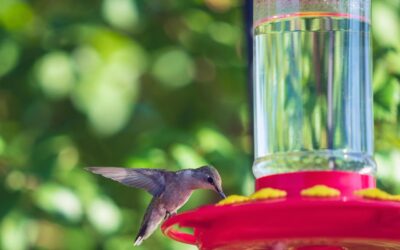
There is nothing like watching a hummingbird hover inches from your face on the other side of the glass. A window-mounted feeder turns an ordinary kitchen window into a front-row seat for backyard wildlife, and choosing the best window hummingbird feeder comes down to a few practical features: suction cups strong enough to hold the feeder for years, a design that is easy to clean, and built-in protection against ants and bees. Get those right and you will enjoy close-up visits all season without the constant mold, leaks, and pests that plague cheaper feeders. Here is what to look for.
Part of our Windows & Doors guide — explore the full guide →
Why Choose a Window Feeder
Window feeders offer advantages a pole or hanging feeder cannot match. The viewing distance is unbeatable, hummingbirds feed right at the glass, giving you and kids a stunning close-up. Mounting on a window also keeps the feeder safe from many ground predators and squirrels, and it places the birds away from window-strike risk because they approach the glass slowly to feed rather than flying into it at speed. For apartments and homes without a good yard spot, a window feeder may be the only practical option.
Suction Cup Quality Is Everything
The number one failure point of window feeders is the suction cup. A weak or aged cup lets the feeder, full of sticky nectar, slide down or fall off the glass. When shopping, prioritize:
- Large, thick suction cups, ideally two or more, made of quality material that resists drying and cracking.
- A design that distributes weight so a full reservoir does not overload a single cup.
- Replaceable cups, since even good ones lose grip over years of sun exposure.
To get the best hold, clean the glass thoroughly, moisten the cup slightly, and press firmly to expel all air. Mounting on a smooth, clean window, not a textured or dirty one, makes a huge difference in staying power.
Easy Cleaning Prevents Sick Birds
This is not optional, dirty feeders harm hummingbirds. Nectar ferments and grows mold quickly, especially in heat, and a moldy feeder can sicken the very birds you are trying to help. The best feeders come apart completely for cleaning and have wide openings you can reach into:
- Few parts and wide mouths so you can scrub every surface, no hidden crevices.
- Dish-style designs that open flat are far easier to clean than narrow bottle reservoirs.
- Dishwasher-safe components where available.
Plan to clean and refill every two to three days in hot weather, more often in extreme heat. Use a brush and hot water; if you use any cleaner, rinse thoroughly. Make the nectar yourself with a simple four-parts-water to one-part-white-sugar ratio, no red dye, no honey, and no artificial sweeteners.
Ant and Bee Guards Matter
Insects are the other constant battle. Ants march down to the nectar and drown in it, while bees and wasps crowd the ports and can drive hummingbirds away. The best window feeders address both:
- Bee guards: Small mesh or cage tips over the feeding ports let a hummingbird’s long tongue reach the nectar while keeping bees out.
- Ant moats: A small water-filled barrier above the feeder stops ants from crossing. Some feeders include a built-in moat; for others you can add one.
- Saucer-style designs naturally deter bees because the nectar level sits below the ports, out of insect reach but accessible to long hummingbird tongues.
Capacity and Port Count
Match the feeder size to your traffic. A smaller reservoir is actually better when you are starting out or when few birds visit, because you should empty and refresh nectar frequently and a large feeder will spoil before it is drained. More feeding ports allow several birds to feed at once, though hummingbirds are territorial and may chase others off regardless. Bright accents, often red, help attract birds to a new feeder.
Placement Tips for Window Feeders
Where you mount the feeder affects both bird visits and your viewing:
- Choose a window you use often so you actually see the action, kitchen and home-office windows are favorites.
- Provide some shade if possible, since nectar in full sun ferments faster and the feeder gets hot.
- Be patient. It can take days or weeks for birds to discover and trust a new feeder, especially a window-mounted one.
- Keep cats indoors and away from the window to keep visiting birds safe and relaxed.
Maintenance Routine
A simple routine keeps birds healthy and the feeder secure. Every couple of days, take the feeder down, dump old nectar, scrub all parts with hot water, refill with fresh nectar, refresh the ant moat, and re-seat the suction cups on clean glass. Inspect the cups periodically for cracking and replace them before they fail. This ten-minute habit is the single biggest factor in a successful, long-running feeder.
Window Feeder vs. Hanging Feeder
A window feeder is not the only option, and weighing it against a hanging feeder helps you decide. Window feeders win on viewing distance, you watch birds inches from the glass, and on protection from ground predators and squirrels. They are ideal for apartments and homes without a good yard spot. Hanging and pole feeders, on the other hand, hold larger reservoirs, can serve more birds at once, and are easy to relocate around the yard. Their downside is that they are farther from the window and more exposed to pests. Many homeowners run both: a window feeder for close-up enjoyment and a hanging one to handle higher traffic. Whichever you choose, the cleaning and nectar rules stay exactly the same.
Troubleshooting No Visitors
If birds are not showing up, do not give up too soon. New feeders, especially window-mounted ones, can take days or weeks to be discovered. Make sure your nectar is fresh and mixed at the correct four-to-one ratio, since spoiled nectar drives birds away. Add a touch of red to the feeder, never red dye in the nectar, to catch their eye, and place the feeder near flowers or other feeders that already attract them. Confirm the season matches local hummingbird activity, as they migrate. And keep the feeder spotless; birds avoid moldy, fermented nectar. A little patience and consistency almost always pays off.
The Bottom Line
The best window hummingbird feeder combines strong, replaceable suction cups, a design that fully disassembles for easy cleaning, and built-in ant and bee protection. Favor saucer-style feeders for their insect resistance and cleanability, keep the nectar fresh with the four-to-one sugar-water recipe, and mount it on a clean window you look through often. Do that, and you will turn a pane of glass into an up-close window on one of nature’s most captivating little birds.