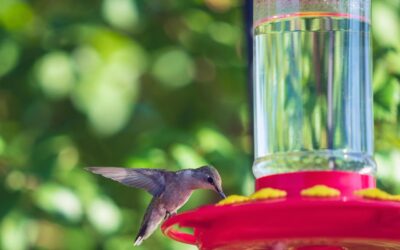
A dirty hummingbird feeder kills more birds than predators in most backyards. Fermented nectar, black mold inside the reservoir, and bacterial slime around feeding ports cause fatal infections that birders rarely see because the affected birds fly away to die. An easy to clean hummingbird feeder is not a luxury, it is the difference between helping the birds and unintentionally harming them. After cleaning every feeder design on the market over the past decade, I can tell you which ones genuinely clean in two minutes and which ones grow slime no matter how hard you scrub.
What Makes a Feeder Easy to Clean
Three features separate easy-to-clean feeders from frustrating ones. Wide-mouth openings at least 2.5 inches across that let your hand reach inside. Saucer designs rather than bottle reservoirs because saucers have no vacuum seal to break and no hidden corners. Smooth glass or unpainted plastic surfaces that do not grab algae or hold residue between washes.
Feeders fail on cleaning in three ways. Tiny screw-top reservoirs you cannot get a brush into. Yellow plastic flowers glued or pressure-fit so tightly that you cannot remove them for cleaning. Decorative metal grates over feeding ports that trap sticky residue and rust.
Saucer Designs Beat Bottle Designs
The HummZinger HighView from Aspects ($28 at most birding stores) is the standard saucer design and the easiest to clean of anything I have used. Three-piece construction, no rubber gaskets to replace, and the reservoir wipes clean with a microfiber cloth in under 90 seconds. The built-in ant moat doubles as a hand-grip during cleaning.
Bottle-style feeders like the classic Perky-Pet Pinch Waist Glass Hummingbird Feeder ($14) look attractive but cleaning the inside requires a bottle brush, vinegar soak, and patience. Use bottle designs only if you are committed to cleaning every 2 to 3 days in warm weather, otherwise mold builds up in the narrow neck where the brush cannot reach.
Top Brand Picks Worth Buying
- Aspects HummZinger Excel ($30): 16-oz capacity, 4 ports, dishwasher safe top rack
- First Nature 16-oz Hummingbird Feeder ($9): Best budget pick, fully disassembles
- More Birds Ruby Feeder ($17): Heavy glass reservoir, 5 metal-free flower ports
- Aspects Jewel Box Window Feeder ($26): Suction cup mount, watch through glass while cleaning
- Best 1 Hummingbird Feeder ($24): Bottom-fill design eliminates the bottle-flip mess
The First Nature feeder at $9 is genuinely the best value on the market. The two-piece design with no decorative flowers comes apart fully in seconds and cleans completely in 60 seconds with a sponge. I have a dozen friends running these and not one has complained.
Cleaning Schedule by Temperature
Nectar ferments based on temperature and sunlight, not just time. Below 70 degrees F, change nectar and rinse feeders every 4 to 5 days. Between 70 and 85 F, change every 2 to 3 days. Above 85 F or in direct sun, change daily. Skip the schedule and the nectar turns cloudy, then yellow, then grows visible black mold inside the reservoir.
Mark a calendar reminder on your phone. The single biggest reason feeders go bad is people forget to check during a busy week. A cheap kitchen timer on the windowsill works for households without smartphones.
The Right Cleaning Method Step-by-Step
- Empty old nectar in the sink, not on the lawn where it attracts ants
- Rinse with hot tap water for 30 seconds to remove sticky residue
- Mix a 1:4 white vinegar to water solution and fill the reservoir
- Use a bottle brush from OXO ($8) for inside the bottle, a soft toothbrush for ports
- Soak any moldy parts in the vinegar solution for 30 minutes
- Rinse three times with clean water to remove all vinegar residue
- Air dry upside down on a clean towel for 20 minutes before refilling
Skip dish soap. Soap residue is hard to fully rinse from feeder ports and birds are sensitive to it. Vinegar disinfects, cuts mineral deposits, and rinses clean with plain water.
Dishwasher-Safe Models Save Real Time
Several Aspects models and the More Birds Ruby Feeder are top-rack dishwasher safe. Run with a regular dish cycle, no detergent, and add a half cup of white vinegar to the bottom of the empty dishwasher for a true sanitizing rinse. This works in 45 minutes with no scrubbing if the feeder was rinsed first.
Hand-painted or glass-with-metal feeders should not go in the dishwasher. Heat damages painted surfaces and metal parts can rust or corrode from detergent contact. The First Nature feeder, despite being cheap, is dishwasher safe and holds up to repeated cycles.
Nectar Mix and Storage
Mix one part white granulated sugar to four parts water. Boil the water, dissolve the sugar, and cool completely before filling the feeder. Skip red dye, honey, brown sugar, and artificial sweeteners. Red dye is potentially toxic and the feeder color is enough to attract birds without it.
Store extra nectar in a clean glass jar in the refrigerator for up to two weeks. Mark the date on the jar with a Sharpie. Discard any nectar that smells off or shows cloudiness, no matter how recent.
When to Replace the Feeder Entirely
Plastic feeders develop hairline cracks after 2 to 4 seasons of UV exposure. Once mold takes hold in cracks, no amount of cleaning kills it permanently. Replace plastic feeders every 3 years even if they look fine, because the cost is $9 to $30 and bird health is the trade.
Glass feeders last decades if you do not drop them. Replace the rubber gaskets on bottle-style glass feeders annually at $3 to $6 per gasket set from the manufacturer’s website. Old gaskets stop sealing and let nectar drip, attracting ants and bees.