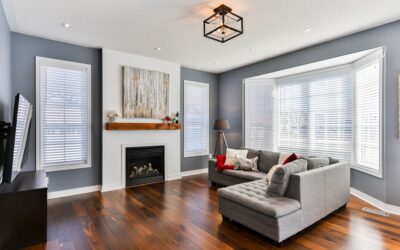
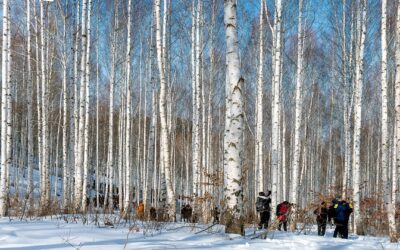
In my 20+ years of flooring experience, birch hardwood has always occupied an interesting spot in the market. It offers a distinctive light, creamy appearance that appeals to homeowners who want something different from the ubiquitous oak, yet it comes at a price point that won’t break the budget. Birch flooring has its genuine strengths and some real limitations, and I want to give you an honest, thorough breakdown so you can decide if it’s the right choice for your home.
What Is Birch Hardwood?
Birch is a deciduous hardwood tree native to North America, Europe, and Asia. In the flooring industry, we primarily work with two North American species: yellow birch (Betula alleghaniensis) and sweet birch (Betula lenta). Both grow abundantly in the northeastern United States and eastern Canada, making them a domestically sourced and relatively sustainable option.
Birch has been used in American woodworking for centuries, prized for its fine, even grain and workability. As a flooring material, it gained popularity in the mid-20th century but was somewhat overshadowed by oak’s dominance. In recent years, birch has seen a resurgence as homeowners search for lighter-toned, distinctive alternatives to the standard oak floor.
Types of Birch Used in Flooring
Yellow Birch
Yellow birch is the most common species used in North American flooring. It features a light yellowish-brown heartwood with a creamy white sapwood. The grain is generally straight with a fine, even texture. Yellow birch rates 1,260 on the Janka hardness scale, placing it just slightly below red oak (1,290) in terms of dent resistance. It’s a solid, dependable flooring wood that I’ve installed in hundreds of homes over my career.
Sweet Birch (Black Birch)
Sweet birch, sometimes called black birch, is slightly harder than yellow birch at 1,470 on the Janka scale. Its heartwood is darker — a reddish-brown that can resemble cherry wood. Sweet birch is less commonly available as flooring but offers excellent durability. If you can find it, it’s a worthwhile upgrade for high-traffic areas.
Paper Birch (White Birch)
Paper birch is the softest of the birch species at only 910 Janka. I generally don’t recommend it for flooring in busy households. Its extremely pale, almost white appearance is appealing, but it simply doesn’t hold up to the demands of daily foot traffic, pets, and furniture. If you love the pale look, consider paper birch only for low-traffic bedrooms or closets.
European and Asian Birch
Imported birch species, particularly from the Baltic region, Finland, and China, are commonly found in engineered flooring products. Baltic birch is often used for the plywood core of engineered floors, while the face veneer may come from various birch species. Quality varies significantly with imported products, so buy from reputable manufacturers who disclose their sourcing.
Durability and Hardness
Yellow birch’s Janka rating of 1,260 puts it in the moderate-to-good range for flooring. To put that in perspective, it’s harder than American cherry (950), about equal to red oak (1,290), and softer than maple (1,450) or hickory (1,820). For most residential applications, birch provides perfectly adequate durability.
Where birch can be problematic is in homes with large, active dogs. The slightly softer profile compared to oak means claws can leave visible scratches more readily. I’ve seen birch floors in dog-owner homes that showed wear within the first year, while a comparable oak or hickory floor would have held up much better. If you have pets, factor this into your decision.
Moisture Sensitivity
Birch is moderately sensitive to humidity changes. It expands and contracts with seasonal moisture fluctuations, which can lead to gapping in winter (dry air) and cupping in summer (humid air) if the environment isn’t properly controlled. Maintain indoor humidity between 35% and 55% year-round. This is standard advice for any hardwood, but birch is slightly less forgiving than white oak if conditions swing outside that range.
Appearance and Color Variations
One of birch’s most distinctive features is the contrast between its sapwood and heartwood. The sapwood is pale cream to white, while the heartwood can range from light reddish-brown to medium brown. In lower grades (character or rustic), this contrast creates dramatic visual interest across the floor. In higher grades, the color is more uniform but still features birch’s characteristic subtle warmth.
Grain Pattern
Birch has a fine, even grain that’s less pronounced than oak’s bold cathedral patterns. Some birch boards display a gentle waviness or curly figure that catches light beautifully. The overall effect is cleaner and more contemporary than oak, which is why birch appeals to homeowners going for a modern Scandinavian or minimalist aesthetic.
Staining Birch
Here’s where I need to be honest: birch can be tricky to stain evenly. The density difference between sapwood and heartwood means stain absorbs unevenly, creating a blotchy appearance. If you want a stained birch floor, I strongly recommend using a pre-stain wood conditioner and testing multiple samples before committing. Gel stains also perform better on birch than liquid penetrating stains. Better yet, embrace birch’s natural color with a clear or lightly tinted finish — it looks fantastic that way.
Pros and Cons of Birch Flooring
Advantages
- Attractive appearance: Light, warm tones with fine grain create a clean, modern look
- Affordable pricing: Generally costs less than oak, maple, and most other domestic hardwoods
- Domestic availability: Abundantly grown in North America, keeping costs and carbon footprint lower
- Good hardness: Yellow birch at 1,260 Janka is suitable for most residential applications
- Unique character: Sapwood-heartwood contrast offers distinctive visual appeal
- Refinishable: Solid birch can be sanded and refinished multiple times
- Fine grain: Takes clear and natural finishes beautifully
Disadvantages
- Staining difficulty: Prone to blotching when stained, limiting color options
- Moisture sensitivity: More reactive to humidity changes than white oak
- Scratch visibility: Lighter color shows dirt and scratches more than darker woods
- Limited availability in some regions: Not as universally stocked as oak flooring
- Not suitable for wet areas: Lacks the natural rot resistance of white oak or tropical hardwoods
- Color variation: Sapwood-heartwood contrast can be a pro or con depending on personal preference
Cost Breakdown
Birch hardwood flooring is generally priced below oak, making it a budget-friendly hardwood option. Here’s what you can expect:
- Solid birch flooring (unfinished): $3 to $6 per square foot
- Solid birch flooring (prefinished): $4 to $8 per square foot
- Engineered birch flooring: $3 to $7 per square foot
- Professional installation: $3 to $6 per square foot
- Total installed cost: $6 to $14 per square foot
For a 1,000-square-foot installation, budget $6,000 to $14,000 depending on product quality, grade selection, and your local labor market. Compared to oak at $8 to $16 installed or hickory at $10 to $18, birch offers meaningful savings without sacrificing quality.
Birch vs. Other Hardwood Species
Birch vs. Oak
Oak is harder, more available, easier to stain, and more moisture-tolerant than birch. Oak also has a bolder grain pattern that suits traditional and transitional styles. Birch wins on price and offers a lighter, more contemporary aesthetic with its fine grain. If you’re on a budget and prefer a modern look, birch is the better value. For everything else, oak is the safer bet.
Birch vs. Maple
Maple is harder (1,450 vs. 1,260 Janka) and has a similarly fine grain, but it’s also more expensive and equally difficult to stain. Both species offer a clean, light-toned look. I’d choose maple over birch for kitchens and high-traffic hallways where the extra hardness matters. For bedrooms and living rooms, birch delivers a very similar look for less money.
Birch vs. Cherry
Cherry is softer than birch (950 vs. 1,260 Janka) but commands higher prices due to its rich, warm color that deepens beautifully over time. If you love cherry’s reddish tones but want better durability, sweet birch with a warm-toned finish can get you close to that look at a fraction of the cost.
Installation Methods
Nail-Down Installation
Solid birch flooring is typically installed over a plywood subfloor using a pneumatic flooring nailer. Use 2-inch cleats or staples spaced 6 to 8 inches apart along each board. Birch mills cleanly and doesn’t split as easily as some species, making nail-down installation straightforward. Always leave a 1/2-inch expansion gap around the perimeter of the room.
Glue-Down Installation
Engineered birch flooring can be glued directly to concrete or plywood subfloors using a urethane-based flooring adhesive. This method provides excellent stability and reduces sound transmission. Trowel size and adhesive spread rate should follow the manufacturer’s specifications exactly — too little adhesive creates hollow spots, while too much creates squeeze-up between boards.
Floating Installation
Some engineered birch products feature click-lock profiles that allow floating installation. The floor is not attached to the subfloor but sits on an underlayment pad. Floating installation is the fastest method and works over most subfloor types, including concrete with radiant heat. However, it can feel slightly less solid underfoot compared to glued or nailed installations.
Maintenance and Care
Birch flooring maintenance follows the same principles as any hardwood floor, with a few species-specific notes:
- Sweep or vacuum daily in high-traffic areas — birch’s light color shows dirt more than darker woods
- Damp-mop weekly with a pH-neutral hardwood floor cleaner
- Never use vinegar, ammonia, or steam cleaners on birch flooring
- Use furniture pads and replace them regularly
- Keep pet nails trimmed to minimize scratching
- Control humidity with a humidifier in winter and dehumidifier or AC in summer
- Place area rugs in heavy-traffic zones to distribute wear
Birch floors typically need refinishing every 7 to 10 years under normal residential use. Solid 3/4-inch birch can be refinished 3 to 5 times over its lifespan, giving you decades of beautiful service. Engineered birch with a thick wear layer (4mm+) can usually be refinished once or twice.
Frequently Asked Questions
Is birch hardwood flooring durable enough for high-traffic areas?
Yellow birch at 1,260 Janka is durable enough for most residential high-traffic areas including hallways, living rooms, and kitchens. It’s comparable to red oak in hardness. However, for homes with large dogs or very heavy foot traffic, you might prefer a harder species like hickory or maple. Sweet birch at 1,470 Janka is a stronger option if you can find it.
Does birch flooring change color over time?
Yes, like all hardwoods, birch changes color with UV exposure over time. The lighter sapwood tends to darken slightly, becoming more golden, while the heartwood may lighten somewhat. Overall, the color contrast between sapwood and heartwood becomes less pronounced as the floor ages. Using UV-inhibiting finishes can slow this process, and area rugs should be moved periodically to ensure even aging.
Can you stain birch hardwood flooring dark?
You can, but it requires careful technique. Birch’s variable density causes uneven stain absorption, often resulting in a blotchy appearance. To minimize blotching, apply a pre-stain wood conditioner, use gel stains rather than liquid penetrating stains, and apply multiple light coats rather than one heavy coat. I strongly recommend doing test samples on scrap pieces before committing to the full floor. Dark stains show the blotching more than light or medium tones.
Is birch flooring good for kitchens?
Birch works in kitchens with proper care. Its hardness is adequate, and it looks beautiful in kitchen settings. The main concern is moisture — clean up spills promptly, use mats near the sink and dishwasher, and ensure your dishwasher doesn’t leak. Birch is not as moisture-tolerant as white oak, so a kitchen with birch floors needs an attentive owner. Engineered birch is a better kitchen choice than solid birch, as the cross-ply construction resists moisture movement more effectively.
How does birch compare to bamboo flooring?
Strand-woven bamboo is significantly harder than birch (3,000+ Janka vs. 1,260) and handles moisture somewhat better. However, bamboo can off-gas formaldehyde from its adhesives (especially cheaper products), and its appearance is quite different from a traditional hardwood look. Birch offers a more classic wood appearance and is easier to refinish. For pure durability, bamboo wins. For aesthetics and refinishability, birch has the edge.
Prefer to explore on your own?
See how new flooring looks in your actual room in seconds — free, no signup.
Try the free Floor Studio →