One careless box of permanent color and suddenly the sink, the counter, the grout, and a smear on the wall all wear the same inky shade. If your black hair dye stained entire bathroom surfaces, the most important thing to know is that speed matters more than any single product. Fresh dye lifts far more easily than dye that has set overnight, so the moment you notice the mess, start blotting and cleaning. With the right approach for each surface, most stains come out, though set-in marks on porous materials can be stubborn.
Part of our Bathroom Remodeling & Flooring guide — explore the full guide →
Act Fast and Work Safely
Hair dye contains pigments and oxidizers designed to bond permanently to keratin, and they will bond to porous bathroom materials almost as readily. The first 10 to 15 minutes are your best window. Blot, do not rub, fresh dye with a damp paper towel or cloth to lift as much as possible before it penetrates.
One safety rule overrides everything else: never mix cleaning products, especially never combine bleach with ammonia, vinegar, or other cleaners. Mixing them releases toxic gases. Work with one product at a time, rinse the surface between products, ventilate the room by opening a window or running the fan, and wear gloves to protect your hands.
Test Before You Treat
Before applying any cleaner to a visible spot, test it on a hidden area first, such as inside a cabinet or a corner behind the toilet. Some methods that lift dye can also dull a finish, etch a countertop, or fade colored grout. A 30-second test tells you whether the cure is worse than the stain. This is especially important on natural stone, acrylic tubs, and painted walls.
Magic Eraser: The First Reach
A melamine foam sponge, sold as a magic eraser, is often the fastest fix for non-porous surfaces. Dampen it and rub gently over dye on porcelain sinks, ceramic tile, glossy paint, and laminate counters. The fine abrasive lifts pigment without harsh chemicals.
Use a light touch, because melamine foam is mildly abrasive and can dull glossy or matte finishes if you scrub hard. Work in small circles, rinse the area, and check your progress often. For many people, the magic eraser alone handles the bulk of a fresh splatter.
Rubbing Alcohol and Nail Polish Remover
Isopropyl rubbing alcohol is one of the most reliable dye solvents for hard, non-porous surfaces. Soak a cotton ball or pad, press it onto the stain to let it dwell for a minute, then wipe. Repeat as the pigment transfers to the cotton. It works well on countertops, tile, chrome fixtures, and glass.
For tougher spots on non-porous surfaces only, acetone-based nail polish remover is stronger. It can damage some finishes and plastics, so this is exactly the kind of product to test in a hidden spot first. Keep acetone away from acrylic tubs, painted walls, and anything with a clear coat, since it can soften or cloud them. Rinse thoroughly afterward.
Baking Soda for Gentle Scrubbing
A paste of baking soda and a little water makes a mild abrasive cleaner that is gentler than harsh chemicals. Spread it over the stain, let it sit a few minutes, then scrub with a soft cloth or old toothbrush and rinse. This works nicely on grout lines, where dye loves to settle, and on sink basins.
For extra lifting power on grout, you can follow the baking soda with a separate application of an oxygen-based bleach cleaner, never chlorine bleach mixed with anything else. Apply it on its own, let it dwell, scrub, and rinse completely before using any other product.
Surface-by-Surface Quick Guide
- Porcelain or ceramic sink and tub: magic eraser first, then rubbing alcohol; baking soda paste for residue.
- Ceramic or porcelain tile: magic eraser and rubbing alcohol work well; these surfaces are forgiving.
- Grout: baking soda paste plus an oxygen bleach cleaner; a stiff toothbrush helps. Porous grout may stain permanently if set.
- Laminate countertops: rubbing alcohol or magic eraser, gently. Avoid acetone, which can damage the surface.
- Natural stone (marble, granite): avoid acids and harsh abrasives; use only stone-safe cleaners and call a pro for set stains.
- Acrylic or fiberglass tub: baking soda paste or a non-abrasive cleaner; skip acetone and rough scrubbing, which scratch.
- Painted walls: magic eraser very gently, or a damp cloth; aggressive cleaning may remove paint, so touch-up paint is the backup plan.
Don’t Forget Floors and Fabrics
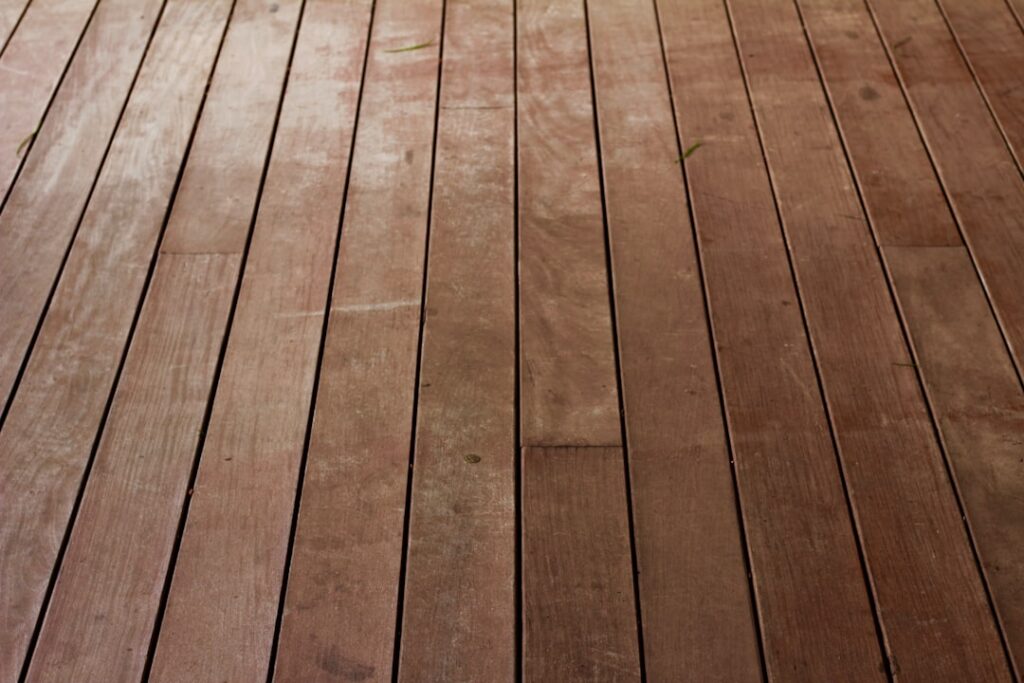
When dye splatters across an entire bathroom, the damage rarely stops at the sink. Drips reach the floor, the bath mat, and any towels in range. For sealed tile or vinyl flooring, the same non-porous methods apply: a magic eraser and rubbing alcohol lift most splatter, and a baking soda paste handles grout lines, just rinse between products. Wipe dye off vinyl quickly, since prolonged contact can stain the surface.
For fabric items like bath mats, towels, and any clothing that caught a splash, act before the dye sets. Rinse under cold water from the back of the stain, then treat with a stain remover or a soak in oxygen-based bleach made for fabrics, following the product directions. Launder as usual but do not put the item in the dryer until the stain is fully gone, because dryer heat permanently sets dye. White cotton towels can often handle a careful oxygen-bleach soak, while colored fabrics need gentler treatment and may not fully recover.
When the Stain Won’t Budge
Be honest with yourself about porous materials. Once black dye sets into unsealed grout, raw stone, or flat wall paint, complete removal may not be possible. For grout, re-applying a grout stain or pen in a matching color can mask what cleaning cannot remove. For walls, a coat of primer and paint is the clean fix. For badly stained natural stone, a stone restoration specialist has poultices and techniques beyond home methods.
The lesson for next time: lay down old towels, wear gloves, and keep a melamine sponge and rubbing alcohol within reach before you open the box. If your black hair dye stained entire bathroom again, that 15-minute head start and a tested, one-product-at-a-time approach will save almost any surface.