A drop of hair dye on your laminate floor or counter can feel like an instant disaster, those pigments are designed to bond and stain. The good news is that knowing how to remove hair dye from wood laminate usually doesn’t require harsh chemicals or a professional. Acting fast and using gentle methods will lift most stains while protecting the laminate’s protective surface. Here’s exactly what to do.
Act Fast for the Best Results
Time is everything with hair dye. The longer the dye sits, the deeper it penetrates and the harder it is to remove. The moment you notice a spill, blot, don’t wipe, the area with a clean paper towel to lift as much wet dye as possible. Wiping spreads the stain and pushes pigment into the seams of the laminate.
Even a fresh stain that’s already dried can often be removed; it just takes a bit more effort. Whatever you do, address it as soon as you can rather than hoping it fades on its own.
Understand Your Laminate Surface
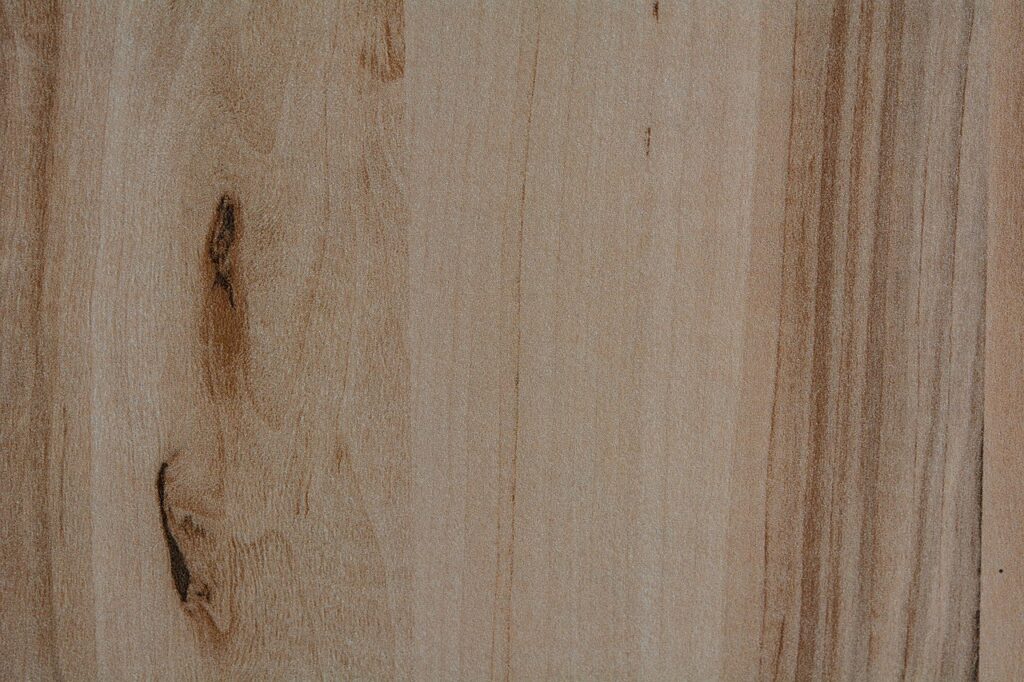
Laminate isn’t real wood, it’s a printed wood-look layer sealed under a clear protective wear layer. That wear layer is what you’re protecting. It resists stains reasonably well, but it can be dulled or scratched by abrasive cleaners and scouring pads. The whole strategy here is to lift the dye without grinding away or dulling that finish.
For the same reason, you should always test any cleaner on a hidden spot first, like inside a closet or under furniture, to make sure it won’t discolor or dull the surface.
Method 1: Rubbing Alcohol
Rubbing alcohol (isopropyl alcohol) is often the most effective first move because it dissolves dye pigments without being abrasive. Here’s how to use it:
- Dampen a clean white cloth or cotton ball with rubbing alcohol.
- Gently dab and blot the stain, working from the outer edge toward the center.
- Refresh the cloth as it picks up color so you’re not re-depositing dye.
- Repeat until the stain lifts, then wipe the area with a damp cloth and dry it.
Use a white cloth so you can see the dye transferring. Don’t soak the floor, especially at the seams, since excess liquid can seep between planks.
Method 2: Baking Soda Paste
For stubborn or set-in stains, a mild baking soda paste gives a little gentle lifting power. Mix baking soda with a small amount of water to form a paste, apply it to the stain, and let it sit for a few minutes. Then wipe it away gently with a soft, damp cloth.
Baking soda is far gentler than commercial scouring powders, but it’s still mildly abrasive, so rub lightly and only as much as needed. Follow up by wiping the area clean and drying it thoroughly.
Method 3: Magic Eraser (Use Gently)
A melamine foam pad, often sold as a “magic eraser,” can lift dye that other methods miss. The key word is gentle. Dampen the pad, wring it out, and rub the stain very lightly. Melamine foam works by micro-abrasion, so pressing hard or scrubbing aggressively can dull the laminate’s finish over a small area.
Test in a hidden spot first, use light pressure, and stop as soon as the stain is gone. For a small dye spot, this can be remarkably effective when used with care.
Method 4: Dish Soap and Warm Water
Sometimes the simplest approach works for fresh or light stains. Mix a few drops of dish soap into warm water, dampen a soft cloth, and gently wipe the stained area. This is the safest method for the laminate and a good first attempt before reaching for stronger options. Always wring the cloth well so you’re working damp, not wet.
What to Avoid
Protecting the finish matters as much as removing the stain. Steer clear of these:
- Abrasive pads and powders: Steel wool, scouring pads, and gritty cleansers will scratch and permanently dull the laminate’s wear layer.
- Bleach and harsh solvents: Strong chemicals like acetone or undiluted bleach can discolor or damage the surface.
- Excess water: Flooding laminate, especially at seams, causes swelling and warping. Always work with a damp, not soaked, cloth.
- Hard scrubbing: Aggressive pressure can mar the finish even with mild cleaners.
When in doubt, start with the gentlest method and escalate only if needed.
A Smart Removal Sequence
For the best results with the least risk, work through the methods in order of gentleness:
- Blot up wet dye immediately.
- Try dish soap and warm water first.
- Move to rubbing alcohol for stubborn color.
- Use a baking soda paste for set-in stains.
- Finish with a gently used magic eraser only if anything remains.
Always test each cleaner in a hidden area before using it on the visible stain.
Removing Dye From Seams and Grout Lines
Dye loves to settle into the thin seams between laminate planks, where it’s harder to reach. For these spots, dip a cotton swab in rubbing alcohol and run it carefully along the seam, refreshing the swab often. An old soft-bristled toothbrush dipped in a mild soap solution can gently work dye out of a textured seam without scratching the wear layer, just use light strokes.
Avoid letting liquid pool in the seams, since laminate cores swell when water penetrates the joints. Work with a barely damp swab or brush, blot up any excess immediately, and dry the area thoroughly when you’re done. Patience with these tight spots prevents both staining and water damage.
Preventing Future Stains
It also helps to know that hair dye stains aren’t limited to floors. The same gentle methods work on laminate countertops, vanity tops, and other sealed surfaces, just always test first and avoid abrasives. For very stubborn stains on a vanity, a paste of baking soda left to sit a few extra minutes often does the trick where a quick wipe won’t.
Once your floor is clean, a little prevention saves a lot of trouble. Lay down an old towel or a plastic mat when dyeing hair, wear gloves, and keep a paper towel handy to catch drips instantly. If a spill happens, you now know that quick action plus the right gentle method makes how to remove hair dye from wood laminate a simple, stress-free fix that keeps your floors looking like new.
Prefer to explore on your own?
See how new flooring looks in your actual room in seconds — free, no signup.
Try the free Floor Studio →