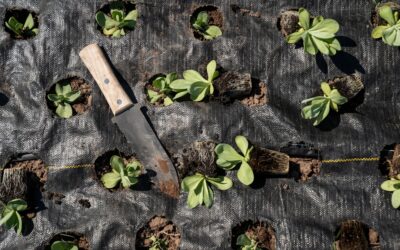
When homeowners compare black plastic vs landscape fabric, the deciding factor is almost always water. Plastic sheeting blocks it completely, which smothers weeds but also starves roots and soil life. Landscape fabric lets water and air pass through while blocking light, so it suits permanent plantings. For most garden beds, fabric is the better long-term choice; black plastic wins for short-term jobs like solarizing a weedy patch or warming soil for a season of vegetables.
Both products get misused. Plastic under shrub beds creates soggy, oxygen-poor soil, and fabric under mulch eventually becomes a mat for weeds that sprout on top. Knowing where each one fits saves you from ripping it all out in three years.
- Black Plastic vs Landscape Fabric: Key Differences
- When Black Plastic Is the Better Choice
- When Landscape Fabric Is the Better Choice
- Woven vs Non-Woven Fabric Grades
- Environmental and Practical Considerations
- Tools and Materials
- How to Install a Weed Barrier
- Troubleshooting
- Cost Ranges
- When to Call a Pro
- Frequently Asked Questions
Black Plastic vs Landscape Fabric: Key Differences
| Factor | Black plastic sheeting | Landscape fabric |
|---|---|---|
| Water and air | Blocks both | Passes water and air |
| Weed control | Very strong, short term | Strong, depends on mulch management |
| Soil health | Degrades over time under cover | Maintains moisture and oxygen |
| Lifespan | 1 to 3 seasons exposed; longer buried | 5 to 15 years depending on grade |
| Best use | Solarizing, vegetable rows, temporary smothering | Shrub beds, paths, under gravel |
Drainage and soil health
Landscape plastic sheeting is impermeable. Rain runs off it and pools at the edges or in low spots, while the soil beneath slowly dries out or turns sour in wet areas. Earthworms and beneficial microbes need air and moisture, and they decline under long-term plastic. Fabric, whether woven or non-woven, lets rain soak through and lets the soil breathe, so plants and soil organisms stay healthier.
Weed control
A black weed tarp gives near-total light blocking. Weeds under it die within weeks, which is why growers use it to clear ground. Fabric also blocks light well, but weeds eventually germinate in mulch or blown-in soil on top of it. Those roots can penetrate some fabrics, especially thin non-woven types. Keeping mulch thin and pulling top weeds early prevents that.
Lifespan and durability
Thin plastic breaks down in sunlight within one or two seasons, turning brittle and shredding into the soil. Thicker, UV-stabilized sheeting lasts longer but still degrades. Quality fabric rated for landscape use typically lasts 5 to 15 years when covered by mulch or gravel. Cheap, thin fabric can fail in a couple of years.
When Black Plastic Is the Better Choice
- Solarizing soil. Clear plastic is actually more effective for solarizing because it heats soil more, but black plastic also works: stretch it tight over moist soil during the hottest 4 to 8 weeks of summer to kill weeds, weed seeds and some soil pathogens.
- Smothering lawn or weeds before a new bed. Covering an area for 6 to 10 weeks kills existing growth so you can plant without heavy digging.
- Vegetable rows. Black plastic mulch warms soil in spring, speeding growth of heat lovers like tomatoes, peppers and melons. Run drip irrigation underneath and remove the plastic at season end.
- Under a pond liner or specific moisture barrier. Where you intend to stop water movement entirely, plastic is the right tool.
A plastic weed barrier is not a good fit under permanent shrubs, trees or perennials. Roots grow shallow chasing the limited moisture, and the soil compacts and loses organic matter.
When Landscape Fabric Is the Better Choice
- Gravel paths and patios. Heavy woven or non-woven fabric under gravel separates stone from soil, so gravel does not sink and weeds from below are blocked.
- Shrub and tree beds. Fabric under a thin layer of bark or stone reduces weeds while letting rain reach roots.
- Slopes. Fabric helps hold soil and mulch in place and reduces erosion.
- Under decks. A fabric layer covered with gravel keeps weeds from growing in dark, hard-to-reach spaces.
Fabric is less ideal in annual flower or vegetable beds where you dig often. Every hole you cut becomes a weed entry point, and the fabric gets in the way of amending soil. Many gardeners skip it in those beds and rely on thick organic mulch instead.
Woven vs Non-Woven Fabric Grades
Not all fabric performs the same, and the grade you buy matters as much as the decision between black plastic vs landscape fabric in the first place. Woven fabric is made from interlaced polypropylene tapes. It is strong, resists tearing under gravel and foot traffic, and lets water through reasonably well, which makes it the usual pick for paths, patios and under stone. Non-woven fabric is made from bonded fibers that look like felt. It drains and breathes very well, filters fine soil particles, and suits planting beds and drainage jobs, but thin non-woven grades tear more easily and roots can grow into them.
Look at weight or thickness on the label. Light residential rolls (roughly 1.5 to 2 ounces per square yard) are fine under bark in low-traffic beds. Contractor-grade fabric (3 ounces and heavier) is worth the extra cost under gravel, on slopes and anywhere you do not want to redo the job. Spun-bonded or perforated products fall in between.
Environmental and Practical Considerations
Both materials are petroleum-based plastics, and both eventually break down into fragments if left exposed. If you prefer to limit plastic in the garden, consider alternatives for beds you plant and replant often: overlapping layers of plain cardboard or several sheets of newspaper under 3 inches of wood chips smother weeds for a season and then rot into the soil. For long-lived gravel paths and patios, a durable fabric that stays buried is still the most practical option.
Think about removal too. Plastic that has shredded is tedious to pick out, and old fabric tangled in shrub roots is hard to pull. Choosing the right material at the start, and covering it properly, makes the eventual cleanup much easier. When in doubt for a permanent bed, the answer to black plastic vs landscape fabric leans toward fabric.
Tools and Materials
- Landscape fabric roll or heavy black plastic sheeting, sized to overlap 6 to 12 inches at seams
- Landscape staples (U-pins) or sod staples
- Utility knife with fresh blades
- Garden rake and hoe
- Mulch, bark or gravel to cover the barrier
- Drip irrigation tubing if using plastic in vegetable rows
- Work gloves
How to Install a Weed Barrier
- Clear the area. Remove existing weeds with roots, especially perennials like bindweed or nutsedge, which can push through thin barriers.
- Grade and smooth. Rake out rocks and sticks, and slope the surface slightly so water does not pool.
- Add irrigation first. If using plastic, lay drip lines before covering. With fabric, you can run drip either above or below.
- Roll out the barrier. Overlap edges 6 to 12 inches and orient overlaps downhill so water does not run under seams.
- Pin it down. Place staples every 2 to 3 feet along seams and edges, and every 3 to 4 feet in the field.
- Cut planting holes. Make an X cut just large enough for the root ball, fold the flaps back, plant, then fold them around the stem.
- Cover it. Spread 2 to 3 inches of mulch or gravel on fabric. Exposed plastic or fabric breaks down in UV light and looks untidy.
Troubleshooting
Weeds growing on top of fabric. Mulch has broken down into soil. Pull weeds while small, rake off decomposed mulch every few years, and replace with fresh material.
Water pooling on plastic. Poke drainage holes, adjust grade, or switch to fabric where plants need moisture.
Fabric showing through mulch. Add mulch and re-pin edges that have lifted.
Plants looking stressed under plastic. Soil is likely too dry or too wet. Replace with fabric or remove the barrier and use organic mulch.
Shredded plastic in soil. Pick out fragments by hand and avoid thin plastic for long-term use.
Cost Ranges
As general ranges, basic black plastic sheeting costs just a few cents per square foot, while heavier UV-stabilized plastic costs more. Landscape fabric ranges from inexpensive light-duty rolls to contractor-grade woven or non-woven fabric at several times the price. For a typical 200 square foot bed, material cost differences are small compared with the cost of mulch or gravel. Paying more for contractor-grade fabric under permanent paths usually pays off in fewer replacements.
When to Call a Pro
Most weed barrier projects are simple DIY work. Consider a landscaper for large areas, steep slopes where erosion control matters, gravel driveways and paths that need a compacted base, or yards with persistent invasive weeds that may require a combination of barriers and targeted treatment. A pro can also design drainage so barriers do not cause pooling near your foundation.
Frequently Asked Questions
Is black plastic or landscape fabric better for weeds?
Black plastic smothers weeds faster in the short term. Landscape fabric is better for permanent beds because it controls weeds while letting water and air reach the soil.
Does black plastic kill soil?
Not immediately, but long-term coverage reduces oxygen, moisture exchange and soil life. It is best used seasonally or for a few weeks to clear ground.
Can I use landscape fabric under gravel?
Yes. It is one of its best uses. Fabric keeps gravel from mixing with soil and blocks weeds from below.
How long should I leave black plastic down to kill grass?
Generally 6 to 10 weeks in warm weather. Solarizing with the plastic stretched tight over moist soil during peak summer heat works fastest.
Should I put landscape fabric in vegetable beds?
Usually not. Frequent digging and planting cuts through fabric. Organic mulch or seasonal black plastic works better in vegetable gardens.
What goes on top of a weed barrier?
Two to three inches of bark mulch, wood chips or gravel. Covering protects the barrier from UV damage and improves appearance.