Every gardener who has ever tried to pull decade-old plastic weed barrier out of a bed has wished for something that just disappears. That is exactly the pitch behind biodegradable landscape fabric: a weed-suppressing sheet that does its job for a season or two, then breaks down into the soil so you never have to dig it back up. It is a genuinely useful product in the right spot, but it is not a drop-in replacement for the woven plastic most people picture. Knowing where it shines and where it falls short will save you money and a lot of frustration.
This guide walks through what these fabrics are made of, how long they last, and the honest trade-offs so you can decide whether they belong in your vegetable rows, your annual beds, or nowhere near your gravel path.
What Biodegradable Landscape Fabric Is Made From
Unlike polypropylene weed barrier, biodegradable fabrics are built from natural or plant-derived fibers that soil microbes can digest. The most common materials each behave a little differently:
- Burlap and jute: loosely woven from jute plant fibers, breathable and cheap, typically lasting one to two seasons before rotting into the soil. Rolls of jute netting and burlap are widely sold for erosion control.
- Hemp mat: denser and slightly longer-lived than jute, often used as a mulch mat around new plantings.
- Paper mulch: heavy recycled-paper sheeting, sometimes layered, that suppresses weeds for a single growing season and tills right in.
- Cornstarch and PLA films: bioplastics made from plant starch that mimic thin plastic sheeting but decompose over months rather than decades.
- Coir (coconut fiber): tough, slow to break down among the natural options, and excellent on slopes for erosion control.
Because these are organic, they do more than block light. As they decompose, jute, hemp, and paper add a small amount of organic matter back to the soil, something plastic never does.
How Long It Actually Lasts
Lifespan is the single most important number to understand before you buy. Paper mulch and thin cornstarch films generally last one growing season, roughly three to six months, before they start falling apart. Jute and burlap usually hold together for one to two seasons. Coir and heavier hemp mats can stretch to two or three years on a shaded slope. Heat, moisture, and soil contact all speed things up: a burlap sheet buried under damp mulch rots faster than the same sheet on a dry, sunny bank.
That short window is the whole point. You are trading longevity for the convenience of never having to remove the material. But it also means these fabrics are a poor match for any project where you expect the weed barrier to work for five or ten years.
The Pros
The advantages line up neatly for the right project:
- No removal ever: the fabric decomposes in place, so you skip the miserable job of clawing degraded plastic out of the soil years later.
- No plastic in your soil: woven poly eventually shreds into microplastic fragments that never leave. Natural fibers simply become soil.
- Soil-friendly: as jute, hemp, and paper break down they feed soil organisms and add a trace of organic matter.
- Breathable and permeable: loose natural weaves let water, air, and nutrients pass easily, which matters around living plants.
- Great for edibles and seasonal beds: in vegetable gardens you often want a barrier only for one crop cycle, which is exactly what these fabrics provide.
- Excellent for erosion control: jute and coir netting hold soil and seed on slopes while grass establishes, then rot away.
The Cons
The drawbacks are just as real, and most of them trace back to that short lifespan:
- Weeds return quickly: once the fabric breaks down, weed seeds germinate freely again, so you are back to maintenance within a year or two.
- Wrong choice under gravel or permanent hardscape: a barrier that dissolves in a couple of seasons will not stabilize a gravel path or stone bed for the long haul.
- Higher cost per season: natural fibers often cost more per square foot than budget plastic, and you replace them more often.
- Less consistent weed blocking: loose burlap and jute weaves let some light and stubborn perennial weeds through compared with a solid sheet.
- Availability and sizing: rolls can be narrower and harder to find than mainstream weed barrier at the big-box store.
Biodegradable Fabric vs. Woven Plastic
Think of the two as tools for opposite jobs. Woven polypropylene is built to last five to twenty years, which makes it the logical pick under gravel, pavers, and permanent shrub beds where you never plan to dig again. Biodegradable fabric is built to vanish, which makes it the logical pick for annual vegetable rows, temporary plantings, and slope stabilization during establishment.
The mistake is using each in the other’s territory. Lay plastic under an annual bed and you fight it when you rework the soil next spring. Lay jute under a gravel walkway and the path sinks into mud once the fabric rots. Match the lifespan of the material to the lifespan of the project and both products perform.
Best Uses for Biodegradable Landscape Fabric
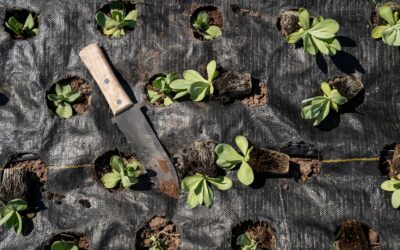
Reach for these fabrics when the barrier only needs to work for a season or two. Vegetable gardens top the list: lay paper or burlap between rows, plant through slits, and till the remains in at season’s end. New slopes and swales are another strong fit, where jute or coir netting holds soil and seed until roots take over. They also work well as a mulch mat around newly planted trees and shrubs during the first year, blocking weeds while the plant settles in.
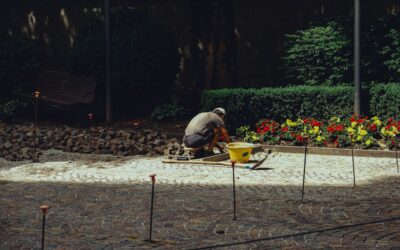
Skip them under decorative gravel, driveways, paver bases, and any long-term shrub or perennial bed where you want a decade of weed suppression. Those jobs call for a heavy woven geotextile instead.
How to Install and Get the Most From It
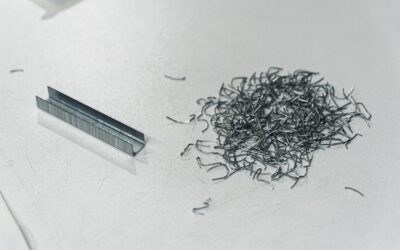
Prep matters more with natural fibers because you only get one lifespan out of them. Clear existing weeds and grass first, then rake the bed smooth and remove rocks and debris. Roll the fabric out flat, overlap seams by 6 to 12 inches so gaps do not open as edges shift, and pin it down with biodegradable stakes or standard landscape staples every 1 to 2 feet.
Top the fabric with 2 to 3 inches of organic mulch such as shredded bark or straw. The mulch shades the fabric, slows premature breakdown, and blocks the light that stray weed seeds need. When the sheet finally decomposes, the choice pays off: with a well-chosen biodegradable landscape fabric there is nothing to pull, cut, or haul away, only soil that is a little richer than it was before.
How Much It Costs and What to Buy
Price varies widely by material. Plain burlap and jute netting are the budget options, often running 15 to 40 cents per square foot depending on weight and roll size, which is competitive with mid-grade plastic barrier. Paper mulch sits in a similar range. Coir mats and heavier hemp products cost more, sometimes 60 cents to over a dollar per square foot, because the raw fiber is denser and the material lasts longer. When you compare prices, factor in replacement: a fabric that lasts one season at 30 cents effectively costs more over five years than a woven plastic barrier you install once.
When shopping, read the label for fiber content and intended life. A product marketed for erosion control, like a jute or coir blanket, is woven tighter and lasts longer than a thin paper weed mat sold for garden rows. For raised beds and vegetable gardens, look for untreated burlap with no synthetic backing so the whole sheet composts cleanly. Avoid anything labeled as a plastic-natural blend if your goal is a fully biodegradable result, because the plastic threads stay behind after the natural fibers rot.
Common Mistakes to Avoid
The biggest error is expecting biodegradable fabric to behave like plastic. Homeowners lay jute under a decorative gravel bed, and two seasons later the path sinks and weeds take over, then blame the product for failing at a job it was never built to do. Match the material to a temporary need and it performs; use it as a permanent barrier and it will disappoint every time.
A second common mistake is skipping the weed removal step. Because natural fabric is thinner and shorter-lived than plastic, any perennial weeds left underneath punch through fast. Kill or dig out existing grass and weeds first. Finally, do not lay these fabrics bare in full sun without mulch, since ultraviolet light and drying wind accelerate breakdown and you lose weeks of useful life. A 2- to 3-inch mulch layer is not optional here; it is what makes a biodegradable landscape fabric last its full intended season.