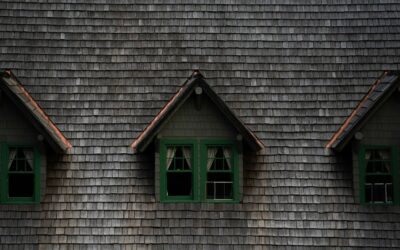
A black roof is rarely a flat, pure black, and that is exactly what makes black sable shingles interesting. Black Sable is an Owens Corning shingle color built from a blend of classic black granules with gray, umber brown, and a hint of sable. The result reads as a deep, near-black roof from the street, with a subtle warm cast up close that keeps it from looking harsh.
Part of our Roofing guide — explore the full guide →
Owens Corning introduced Black Sable as its 2019 Shingle Color of the Year, and it remains listed in the TruDefinition Duration Designer line. It suits brick, white, cream, and warm-toned siding especially well, and it gives modern farmhouse and traditional homes the same strong outline. Because availability shifts by region and line, confirm the current color chart with a local supplier before ordering.
- Black Sable Shingles at a Glance
- How Black Sable Looks on a Real Roof
- Black Sable vs Black Walnut and Black Oak
- Siding and Trim Colors That Pair Well
- Matching Black Sable to Home Styles
- Climate and Practical Considerations
- How to Choose and Order the Color
- Cost and When to Hire a Roofer
- Ordering Black Sable Owens Corning Shingles: Reading an "OC Duration Black Sable" Quote
- Frequently Asked Questions
Black Sable Shingles at a Glance
The specs here come from the manufacturer’s product and color pages. Shingle lines and ratings are updated over time, so check the current spec sheet for the exact product your roofer will install.
| Spec | Value | What it means |
|---|---|---|
| Manufacturer | Owens Corning | The color name is specific to this maker |
| Granule blend | Classic black with gray, umber brown, and a hint of sable | Reads near black from a distance, with warm depth up close |
| Main product line | TruDefinition Duration Designer | A laminated architectural shingle in the maker’s designer color group |
| Also offered in | TruDefinition Duration FLEX (added as a new color in 2021) | An impact-resistant line; availability varies by region |
| Coverage | 98.4 sq ft per square, 3 bundles per square | About 32.8 sq ft per bundle for material estimates |
| Wind rating | Up to 160 mph when the maker’s component and starter shingle requirements are met | Installation details determine the rating you actually get |
| Algae resistance | Yes, with conditions in the warranty | Helps limit dark streaks in humid climates |
| Warranty | Limited lifetime (see the actual warranty for terms) | Coverage depends on registration and installation requirements |
How Black Sable Looks on a Real Roof
Black sable shingles behave differently from a solid black shingle. Laminated architectural shingles have two layers with shadow lines, and the mixed granules catch light unevenly. In full sun, Black Sable shows its warm brown and gray flecks and reads as a rich charcoal-black. Under overcast skies or in shade, it looks closer to true black.
From the curb, most people will simply see a dark roof. The warmth matters more in how it relates to the rest of the house: it does not fight warm brick or wood tones the way a cool blue-black can. That is the main reason it pairs well with red brick, cedar, and cream siding.
Roof pitch changes the effect too. Steeper roofs show more of the shingle face, so the color and texture are more visible. Low-slope roofs show less, and the roof reads as a simple dark band.
Black Sable vs Black Walnut and Black Oak
Homeowners often compare Black Sable with two similarly named dark colors from other manufacturers. TAMKO offers Black Walnut, and Malarkey offers Black Oak. They are not interchangeable, and you cannot mix them on one roof, but they target the same look.
| Color | Maker | How the maker or common descriptions present it | Lines it appears in |
|---|---|---|---|
| Black Sable | Owens Corning | Black with gray, umber brown, and a hint of sable; deep near-black | TruDefinition Duration Designer; Duration FLEX |
| Black Walnut | TAMKO | Deep browns with dark undertones and subtle hints of cinnamon; warmer and browner | StormFighter FLEX (Class 4 impact rated); check the current chart for other lines |
| Black Oak | Malarkey | Often described as a dark gray that reads near black in shade and lighter in sun | Highlander, Vista, and Legacy lines |
In practical terms, Black Walnut leans more brown, Black Oak leans more gray, and Black Sable sits between them as the most black of the three with a warm undertone. If you want a near-black roof that still feels warm, Black Sable is the middle path. If your siding is cool gray or blue, Black Oak’s grayer tone may blend more easily. For brown brick or log-style homes, Black Walnut’s brown cast can tie everything together.
The choice of brand usually comes down to which manufacturer your roofer is certified with and which product line fits your climate and budget, rather than color alone.
Siding and Trim Colors That Pair Well
Owens Corning’s own style boards for Black Sable feature red brick and white-and-brick homes, with paint pairings ranging from maroon and soft taupe to bright white and deep blue. That range shows how flexible the color is. Common combinations include:
- Red or orange brick: Black Sable’s warm undertone complements brick better than a cool black.
- White or off-white siding with black trim: the modern farmhouse look; the roof frames the house cleanly.
- Cream, tan, or greige siding: the warm granules connect with warm siding tones.
- Navy or deep blue siding: a bold, high-end look, best with crisp white trim to separate the dark tones.
- Natural wood or cedar shakes: the brown flecks echo wood grain.
- Light gray siding: works, though a cooler roof color may feel more cohesive.
Gutters and downspouts look best in black or bronze if you want them to disappear into the roof, or in white to match the trim.
Matching Black Sable to Home Styles
A near-black roof changes the whole silhouette of a house, so it helps to think about architecture as well as siding color.
- Modern farmhouse: white board-and-batten siding, black windows, and black sable shingles create the high-contrast look this style is known for.
- Colonial and Cape Cod: red brick or white clapboard with a dark roof keeps the traditional proportions crisp and formal.
- Craftsman: warm earth-tone siding and stained wood details pick up the umber and sable flecks in the granules.
- Ranch: on a long, low roof, a dark color can feel heavy; lighter siding and white trim balance it.
- Contemporary: dark roofs pair well with mixed materials such as wood panels, stucco, and stone.
If you are re-roofing without changing siding, hold the shingle sample against the existing siding, brick, and stone together. The color you like on its own may look different next to an older brick or a faded paint job.
Climate and Practical Considerations
Dark roofs absorb more heat than light ones. In hot, sunny climates, that can raise attic temperatures, so good attic ventilation and insulation matter more with any near-black shingle. In cold climates, a dark roof can help snow melt slightly faster. Some areas have energy codes or HOA rules affecting roof color, so check before you commit.
Algae streaks show less on dark roofs than on light ones, but they still appear in humid regions. Algae-resistant granules help, and trimming overhanging branches lets the roof dry faster.
How to Choose and Order the Color
- Ask your roofer for a physical roof shingle sample of Black Sable and any other color you are considering.
- Look at the sample outdoors, on the ground and held up near the eaves, in sun and shade.
- Find a finished roof in your area with the same color and drive by at different times of day.
- Check that the color is available in the product line your roofer installs, since lineups change by region.
- Confirm the warranty terms, the required accessories (starter, hip, and ridge shingles), and the wind rating for your installation.
- Order all bundles from the same production lot when possible to limit shade variation.
Cost and When to Hire a Roofer
Designer and impact-resistant architectural shingles generally cost more than standard architectural shingles, and full roof replacement prices depend heavily on roof size, pitch, tear-off layers, and local labor. Getting at least three written quotes from certified installers is the most reliable way to price black sable shingles installed in your area.
Roofing is dangerous work. Use a sturdy extension ladder set at the correct angle (about 1 foot out for every 4 feet of height), extend it at least 3 feet above the roof edge, and keep three points of contact. Fall protection is essential on any pitched roof. For two-story homes, steep pitches, or any full replacement, hire a licensed, insured roofing contractor. Installing to the maker’s requirements also protects the warranty and the wind rating.
Ordering Black Sable Owens Corning Shingles: Reading an “OC Duration Black Sable” Quote
When a roofer writes “OC Duration Black Sable” on a quote, it means the Black Sable color in the Owens Corning TruDefinition Duration family, usually the Designer version. The color name alone does not lock in the full warranty or wind rating. The accessories listed next to it matter just as much, so read every line before you sign.
What the shorthand usually covers
“OC” is trade shorthand for Owens Corning, and many suppliers shorten TruDefinition Duration Designer to simply “Duration.” If your quote names Duration FLEX instead, that is the impact-resistant line, which is priced differently and may not be stocked in every region. Ask the roofer to write the full product name so there is no confusion at the supply house.
The Duration platform uses the maker’s SureNail technology, a reinforced nailing strip that Owens Corning describes as triple layer protection in the nailing zone. Nails must land inside that strip to get the stated holding power, which is one more reason to hire a crew that installs this line regularly.
Accessories that protect the rating and warranty
On the Duration Designer product page, the 160 mph wind rating depends on meeting the maker’s component requirements, with starter shingles installed at both the eaves and the rakes. Algae resistance coverage also calls for an approved Owens Corning hip and ridge product. A quote that lists generic starter or cut field shingles on the ridge can leave you with less coverage than you expected.
| Quote line | What to look for | Why it matters |
|---|---|---|
| Field shingle | Full product name plus “Black Sable” | Confirms the right line and color |
| Starter | Maker’s starter at eaves and rakes | Tied to the published wind rating |
| Hip and ridge | Approved maker hip and ridge product | Tied to algae resistance coverage |
| Underlayment and vents | Brand and type named | Some warranty tiers count matching components |
| Registration | Who registers the warranty | Coverage often depends on it |
Matching Black Sable on an existing roof
For a repair or an addition, bring a loose shingle from the attic or garage to the supplier. Granule blends can shift slightly between production runs, and weathered shingles fade, so new Black Sable shingles may look darker for a season or two. Placing repairs on a less visible slope keeps any difference from standing out while the new granules weather in.
Frequently Asked Questions
Who makes Black Sable shingles?
Black Sable is an Owens Corning color. It was the company’s 2019 Shingle Color of the Year and is listed in the TruDefinition Duration Designer line.
Is a Black Sable roof true black?
Not quite. It blends black granules with gray, umber brown, and sable tones, so it reads near black from a distance with a warm, dimensional look up close.
Are black walnut shingles the same color as Black Sable?
No. Black Walnut is a TAMKO color described with deep browns and hints of cinnamon, so it looks warmer and browner. Black Sable is darker and closer to black.
How do black oak shingles compare?
Black Oak is a Malarkey color that is usually described as a dark gray reading near black in shade. It looks cooler and grayer than Black Sable.
What siding goes best with Black Sable?
Red brick, white or cream siding, warm greige, natural wood, and navy all pair well. Its warm undertone makes it especially good with brick and wood tones.