Australian hardwoods have earned a reputation for exceptional durability, and blackbutt flooring sits near the top of that list. Harvested from the Eucalyptus pilularis tree native to the east coast of Australia, blackbutt is prized for its pale honey-to-warm-brown tones, straight grain, and a Janka hardness rating of 2,023 lbf, making it significantly harder than red oak (1,290 lbf) or even hickory (1,820 lbf). It is one of the most popular flooring species in Australia and is steadily gaining attention among US homeowners seeking something distinctive.
What Does Blackbutt Look Like?
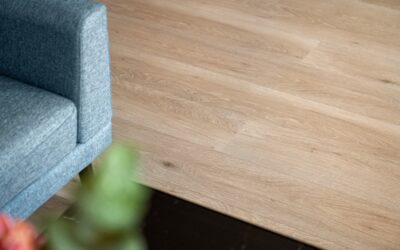
Blackbutt features a color range from pale straw and light honey through to mid-brown with occasional pink or olive undertones. The grain is generally straight and even, with a medium-coarse texture that takes finishes beautifully. Unlike some exotic hardwoods with bold figuring, blackbutt offers a clean, contemporary look that complements both modern minimalist and transitional interiors.
One appealing characteristic is its color consistency. While there is natural variation board to board, blackbutt does not have the dramatic swings you see in species like Brazilian cherry or tigerwood. Boards tend to stay within a narrow tonal range, which creates a calm, unified floor appearance.
Advantages of This Hardwood
- Exceptional hardness: At 2,023 lbf on the Janka scale, it resists dents and scratches far better than domestic hardwoods. Ideal for high-traffic areas, homes with pets, and active families.
- Natural fire resistance: Blackbutt is rated BAL-29 in Australian bushfire standards, one of the most fire-resistant timbers available. It does not ignite easily and chars slowly.
- Termite resistance: The heartwood contains natural oils that deter termites, reducing the need for chemical treatment in ground-contact applications.
- Versatile appearance: The neutral palette works with virtually any wall color, cabinetry, and decor style. It does not lock you into a specific design direction.
- Sustainable sourcing: Australian forestry regulations are among the strictest in the world. Most commercial blackbutt comes from sustainably managed plantations and native forests with replanting requirements.
Cons to Consider
- Higher cost in the US: Because it is imported, this hardwood costs $8 to $14 per square foot for solid planks in the US market, compared to $4 to $8 for domestic red or white oak.
- Limited US availability: Not stocked at big-box stores. You will need to order from specialty hardwood dealers or import directly, which adds lead time of 4 to 8 weeks.
- Tannin bleed: Like many eucalyptus species, blackbutt can leach tannins if exposed to moisture during installation. Proper acclimation and moisture barriers are essential.
- Color lightening: Blackbutt tends to lighten slightly with UV exposure over time, the opposite of species like cherry that darken. UV-protective finishes slow this process.
Solid vs. Engineered Blackbutt
Solid blackbutt comes in 3/4-inch-thick planks, typically 3 to 5 inches wide. It can be sanded and refinished multiple times over its 50+ year lifespan. Engineered blackbutt uses a 2 to 4mm wear layer of blackbutt bonded to a plywood or HDF core. The engineered version costs $7 to $11 per square foot, handles humidity fluctuations better, and can be installed over concrete slabs or with radiant heating.
For most US installations, the engineered option is the practical choice. It is more dimensionally stable in climates with wide humidity swings and works with glue-down, nail-down, or floating installation methods.
Installation and Maintenance
Acclimate blackbutt planks in the installation room for at least 7 to 10 days before installation. The wood needs time to adjust to local humidity levels, which may differ significantly from Australian conditions. Maintain indoor relative humidity between 35 and 55 percent year-round to prevent gaps or cupping.
For daily care, sweep or vacuum with a hard-floor attachment. Damp mop weekly with a pH-neutral hardwood floor cleaner. Avoid steam mops and wet mopping. Place felt pads under all furniture legs and use mats at entryways to trap grit. With a quality polyurethane finish, blackbutt floors need recoating every 7 to 10 years and a full sand-and-refinish every 15 to 20 years.
Blackbutt vs. Other Popular Hardwoods
Compared to white oak (Janka 1,360 lbf), blackbutt is nearly 50 percent harder, making it far more resistant to dents from dropped objects and pet claws. Against hickory (1,820 lbf), blackbutt still holds a meaningful edge while offering a cleaner, more uniform grain pattern. Brazilian cherry (2,350 lbf) is slightly harder but darkens dramatically with sun exposure and carries a bolder color that limits design flexibility. For homeowners who want top-tier hardness without the visual intensity of tropical exotics, blackbutt flooring occupies a sweet spot that few other species match.
Is It Worth the Investment?
If you want a hardwood floor that outperforms oak in durability, offers a distinctive but not overwhelming look, and comes from genuinely sustainable sources, blackbutt flooring deserves serious consideration. The higher per-square-foot cost is offset by exceptional longevity and a hardness rating that keeps the surface looking new far longer than softer domestic species. Pair it with an experienced installer familiar with Australian hardwoods, and you will have a floor that lasts generations.
Prefer to explore on your own?
See how new flooring looks in your actual room in seconds — free, no signup.
Try the free Floor Studio →