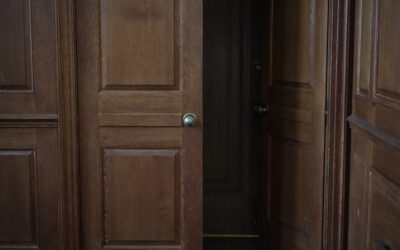
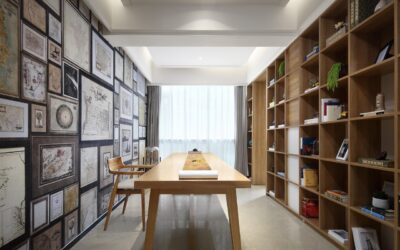
There is something irresistible about a bookshelf that swings open to reveal a hidden room, a trick straight out of an old mystery novel. A bookcase closet door turns that fantasy into a genuinely practical feature, disguising a closet, pantry, storage room, or safe room behind a shelf that still holds real books and decor. Beyond the wow factor, it recovers wall space, adds security through concealment, and becomes a conversation piece. Here is how these clever doors work and how to plan one for your home.
Part of our Windows & Doors guide — explore the full guide →
- How a Bookcase Door Works
- Common Uses for a Hidden Bookcase Door
- Hardware: The Heart of the System
- DIY vs. Prebuilt Kits
- What Does a Bookcase Closet Door Cost?
- Design Tips for a Convincing Hidden Door
- Practical Considerations Before You Build
- Bringing the Idea to Life
- Choosing the Right Shelf Depth and Weight
- Popular Styles and Finishes
- Does a Hidden Door Add Value?
How a Bookcase Door Works
At its core, a bookcase closet door is a functional shelving unit built onto a sturdy door that pivots or swings on concealed hardware. The shelves are usually shallower than a standard bookcase, often 6 to 10 inches deep, so the loaded unit stays light enough to swing smoothly and clears the door frame as it opens. Rather than a standard side hinge, most use a heavy-duty pivot hinge or a specialized concealed hinge system engineered to carry the extra weight of the shelves and their contents.
When closed, the bookcase blends seamlessly into a wall of shelving or paneling. When you pull a hidden release or simply swing it, it opens like a door to reveal the space behind. The best installations line up the baseboards, trim, and shelf lines so nothing gives away that a door is there.
Common Uses for a Hidden Bookcase Door
These doors are more versatile than their movie-prop reputation suggests. Popular applications include:
- Concealing a closet to reclaim a wall for display while hiding storage
- Hiding a pantry off a kitchen or dining room for a clean, built-in look
- Disguising a home office or hobby room entrance
- Screening a safe room, gun room, or valuables closet for security through obscurity
- Covering an awkward utility or mechanical closet so it disappears into the decor
Anywhere you have a doorway you would rather not see, a bookcase door can turn a plain slab into useful, attractive shelving.
Hardware: The Heart of the System
The hardware determines whether the door swings effortlessly for decades or sags and binds within a year. The weight of a fully loaded bookcase, easily 150 to 300 pounds, demands robust components:
- Pivot hinges: Mounted at the top and bottom, these let the unit rotate on a vertical axis and carry heavy loads. Many are adjustable so you can fine-tune alignment.
- Concealed European-style hinges: Used on lighter units, hidden from view when closed.
- Soft-close mechanisms: Prevent the heavy door from slamming.
- Hidden latches and releases: A magnetic touch latch, a disguised lever, or even a tilting book can trigger the release for the true secret-door effect.
Buying a purpose-built hidden-door hinge kit is strongly recommended over improvising with standard hardware, which is not rated for the load.
DIY vs. Prebuilt Kits
You have three broad paths, depending on your budget and skill:
- Full DIY: Build the bookcase and door yourself and add a hidden-door hinge kit. This is the cheapest route but requires solid woodworking skills to keep everything square, level, and swinging true under load.
- Hardware kit plus your bookcase: Buy an engineered pivot or concealed-hinge kit designed for hidden doors and attach it to a bookcase you build or buy. This is the sweet spot for capable DIYers, balancing cost and reliability.
- Fully prefabricated: Order a complete, ready-to-install bookcase door from a specialty manufacturer. It costs the most but arrives engineered, balanced, and ready to hang.
If precision carpentry is not your strength, spend the money on an engineered kit or prefab unit; a heavy door that binds or sags is a daily frustration.
What Does a Bookcase Closet Door Cost?
Costs span a wide range based on approach and quality:
- DIY with a basic hinge kit: roughly $300 to $800 in hardware and materials
- Premium engineered hardware kit plus a quality bookcase: roughly $1,000 to $2,500
- Fully custom prefabricated door: $2,500 to $6,000 or more, installed
The single biggest cost driver is the hardware quality and whether you build or buy the case. Investing in good pivot hinges is money well spent, since they are what make the door feel solid and last.
Design Tips for a Convincing Hidden Door
The magic of a bookcase door lies in the details that hide it. To make yours truly disappear:
- Match the surroundings. If it flanks other shelving, use identical wood, stain, and shelf spacing so nothing looks off.
- Align the trim and baseboard so the lines run continuously across the door and the wall.
- Keep a consistent gap. A uniform reveal around all four edges looks intentional rather than like a poorly fitted door.
- Style the shelves with real weight in mind. Distribute books and objects so the door stays balanced and does not become front-heavy.
- Hide the release cleverly with a touch latch or a disguised trigger for the full secret-passage effect.
Practical Considerations Before You Build
A few realities are worth planning for. The door needs clearance to swing, so account for the arc it carves into the room, and remember that shallow shelves hold less than a standard bookcase. Heavy loads mean you must anchor the frame securely into wall studs or a solid rough opening. If the concealed room needs ventilation, lighting, or code-compliant egress, address those before finishing. And if the door hides a legal bedroom or occupied space, check that your local building code still requires a proper, accessible exit.
Bringing the Idea to Life
Choosing the Right Shelf Depth and Weight
One of the most important engineering decisions is how deep to make the shelves, because depth drives weight and weight drives how the door behaves. Standard bookcases run 10 to 12 inches deep, but a hidden door bookcase usually works best at 6 to 9 inches. Shallower shelves keep the loaded unit lighter and keep the center of gravity closer to the hinge line, so the door swings easily and does not sag over time. They also let the door clear the frame and adjacent walls as it rotates. The trade-off is less storage per shelf, but for display books, decorative objects, and lighter items, shallow shelves are plenty. If you need to store heavy items, keep them low and near the hinge side, and be honest that a heavily loaded deep bookcase may strain even good hardware and require a floor-supported roller system rather than pure pivot hinges.
Popular Styles and Finishes
A bookcase door can match almost any decor when finished thoughtfully. In a traditional study, stained hardwood with crown molding and adjustable shelves reads as a built-in library. In a modern home, painted MDF shelves with clean lines and integrated LED lighting feel sleek and intentional. Farmhouse and rustic spaces suit a reclaimed-wood or barn-style bookcase door, sometimes paired with visible sliding hardware for a different take on the concealed entry. You can also blend the door into full wall paneling or wainscoting so it disappears into the architecture rather than reading as a bookcase at all. Adding puck lights or LED strips inside the shelves not only improves display but helps disguise the door edges by drawing the eye to the contents rather than the seams.
Does a Hidden Door Add Value?
Beyond the novelty, homeowners often wonder whether a bookcase door is a smart investment. The answer depends on how it is executed. A well-built, professionally finished hidden bookcase that conceals a functional space, such as a pantry, office, or storage room, reads as a high-end custom feature that can genuinely impress buyers and set a home apart in listings. A cheaply made version that sags, sticks, or looks obviously like a door does the opposite and can seem gimmicky. The security benefit of concealing valuables or a safe room is a practical selling point for some buyers as well. As with most custom built-ins, you likely will not recoup the full cost dollar for dollar at resale, but a quality hidden door adds character and conversation value that generic upgrades cannot match, and for many owners the daily enjoyment is reason enough on its own.
A bookcase closet door blends storage, style, and a touch of intrigue into one custom feature that few homes have. Whether you disguise a pantry, a home office, or simply a cluttered closet, the key is matching robust hidden-door hardware to a well-built, properly balanced shelf, then sweating the trim and alignment details that sell the illusion. Plan the swing clearance, anchor it solidly, and choose quality pivot hinges, and you will have a hidden door that works flawlessly and delights everyone who discovers it.