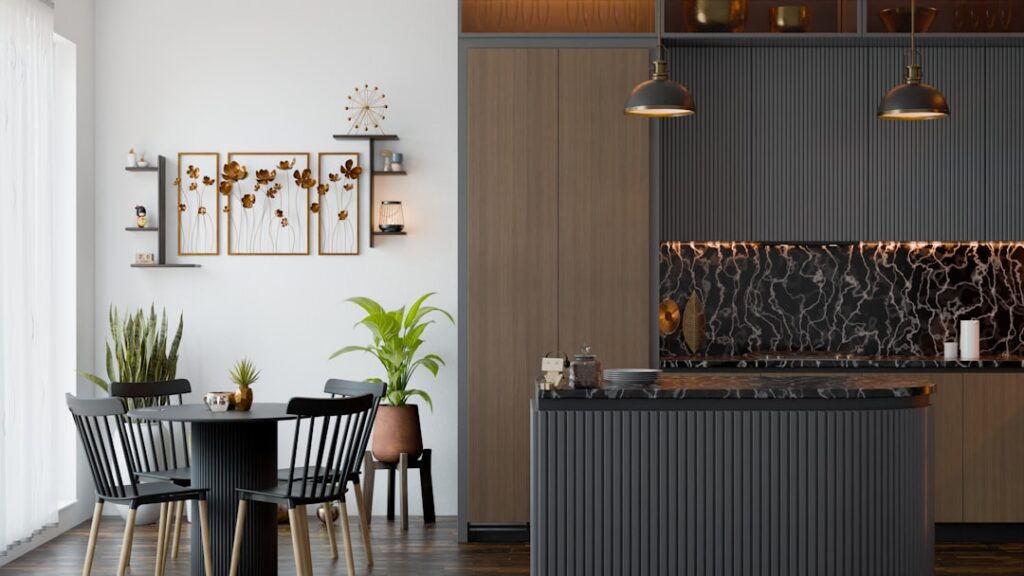
There is a reason brown never goes out of style in the kitchen. A brown backsplash kitchen wraps the heart of your home in warmth, grounding the space with earthy, inviting tones that flatter wood cabinets, natural stone, and warm metals alike. From rich espresso mosaics to soft taupe subway tile, brown offers a versatile, timeless canvas that hides everyday splatters better than stark white ever could. This guide gathers design ideas, material options, and pairing tips to help you create a backsplash that feels cozy and refined.
Part of our Kitchen Remodeling guide — explore the full guide →
- Why Choose a Brown Backsplash
- Shades of Brown to Consider
- Material and Tile Options
- Design Styles and Layout Ideas
- Pairing Brown With Cabinets and Countertops
- What a Brown Backsplash Costs
- Styling and Maintenance Tips
- Brown Backsplash Ideas by Kitchen Style
- Lighting and Grout Choices That Make Brown Shine
- Adding Warmth With Accessories and Decor
- Final Thoughts on a Brown Backsplash Kitchen
Why Choose a Brown Backsplash
Brown brings a set of practical and aesthetic advantages that keep it perennially popular. It is warm and welcoming, softening the hard surfaces of a kitchen and making the room feel lived-in rather than clinical. It is also forgiving, since its mid-to-dark tones camouflage the grease, coffee, and sauce splatters that show instantly on white tile. And it is remarkably versatile, working in traditional, rustic, transitional, and even modern kitchens depending on the shade and material you choose. A brown backsplash pairs naturally with the wood and stone that already define most kitchens.
Shades of Brown to Consider
Brown is a whole family of tones, and the shade you pick sets the mood.
- Espresso and chocolate: Deep, dramatic browns that add richness and pair strikingly with light countertops.
- Taupe and greige: Soft, muted browns with gray undertones that read neutral and modern.
- Caramel and honey: Warm, golden browns that glow against cream cabinets.
- Coffee and mocha: Mid-tone browns that balance warmth and practicality.
- Terracotta-brown: Earthy, reddish browns that bring rustic, Mediterranean character.
Lighter browns open up small kitchens, while deeper shades add depth and drama to spaces with plenty of light.
Material and Tile Options
The material you choose shapes both the look and the upkeep of a brown backsplash.
- Ceramic and porcelain tile: Affordable, durable, and available in countless brown glazes and finishes.
- Natural stone: Travertine, marble, and slate offer organic brown veining and texture, though they need sealing.
- Glass tile: Brown glass mosaics add subtle shimmer and depth while cleaning up easily.
- Mosaic sheets: Mixed-tone brown mosaics create rich, layered texture behind the range or sink.
- Brick-look tile: Warm brown brick veneer brings rustic, farmhouse charm.
Design Styles and Layout Ideas
How you arrange brown tile matters as much as the color itself. A classic subway layout in a caramel or mocha glaze feels timeless and clean. A herringbone or chevron pattern in brown adds movement and a designer touch. Full-height brown stone slab behind the cooktop makes a bold, seamless statement, while a brown mosaic accent strip set into a neutral field creates a subtle focal band. For rustic kitchens, irregular brown brick or split-face stone delivers texture and depth, while polished brown glass suits sleeker, contemporary spaces.
Pairing Brown With Cabinets and Countertops
The magic of a brown backsplash is how beautifully it plays with the surfaces around it.
- White or cream cabinets: A warm brown backsplash adds contrast and coziness against light cabinetry.
- Wood cabinets: Brown-on-brown creates a rich, layered monochrome when you vary the tones and textures.
- Gray cabinets: Greige and taupe backsplashes bridge cool cabinets with warmth.
- Light countertops: Cream, white, or beige stone lets a deep brown backsplash stand out.
- Dark countertops: Pair with a lighter caramel backsplash to keep the space from feeling heavy.
Warm metal accents in brass, bronze, or copper amplify the earthy palette beautifully.
What a Brown Backsplash Costs
Budget varies with material and size. Ceramic and porcelain brown tile is the most economical, often running roughly $5 to $15 per square foot for materials, while natural stone and glass mosaics climb to $15 to $40 or more per square foot. A typical kitchen backsplash covers around 30 square feet, so materials might land anywhere from $150 to over $1,000 depending on your choice. Professional installation commonly adds $8 to $15 per square foot in labor, with intricate patterns like herringbone costing more to set.
Styling and Maintenance Tips
To keep a brown backsplash looking its best, choose a grout color thoughtfully; a matching brown grout blends seamlessly, while a lighter grout highlights the tile pattern. Seal natural stone to protect it from stains, and wipe glazed tile with a mild cleaner to keep it gleaming. Balance darker brown tile with good lighting, such as under-cabinet strips, so the space stays bright and inviting rather than dim.
Brown Backsplash Ideas by Kitchen Style
The beauty of brown is how differently it reads across design styles, so let your kitchen’s overall look guide the tile you choose.
- Farmhouse: Warm brown brick-look tile or handmade-look ceramic pairs beautifully with apron sinks and open shelving.
- Modern: Sleek polished brown glass or large-format porcelain in greige creates a clean, sophisticated backdrop.
- Traditional: Classic subway tile in a mocha glaze or travertine mosaic suits raised-panel cabinetry.
- Rustic and Mediterranean: Terracotta-brown and split-face stone bring earthy, textured character.
- Transitional: Soft caramel or taupe tile bridges traditional warmth with contemporary lines.
Letting the backsplash echo your kitchen’s established style keeps the whole room feeling intentional and cohesive.
Lighting and Grout Choices That Make Brown Shine
Because brown tones range from light to deep, lighting and grout play an outsized role in how your backsplash reads. Darker browns can absorb light and make a kitchen feel dim, so pair them with generous task lighting, particularly under-cabinet strips that wash the tile with warm illumination and reveal its texture and depth. Natural light also flatters brown, bringing out the golden or reddish undertones in the tile. Grout color is the other big lever: a matching brown grout lets the surface read as one seamless expanse, ideal for a calm, upscale look, while a lighter grout crisply outlines each tile to emphasize a pattern like herringbone or subway. Choose a stain-resistant grout and seal it in busy cooking zones to keep those lines looking fresh over the years.
Adding Warmth With Accessories and Decor
A brown backsplash sets a warm foundation, and the accessories you layer around it can amplify that cozy character or balance it with brighter accents. Because brown is naturally earthy, it pairs beautifully with organic materials and warm metals throughout the kitchen. Consider these touches to complete the look.
- Warm metal hardware: Brass, bronze, and copper cabinet pulls and faucets echo the earthy palette and add a touch of glow.
- Natural wood accents: Wooden cutting boards, open shelving, and bar stools reinforce the warmth.
- Greenery: Potted herbs and trailing plants pop vividly against a brown backdrop.
- Textured textiles: Linen and woven dish towels and rugs in complementary tones soften the space.
- Brightening accents: Cream ceramics, white countertops, or a few crisp whites keep a deep brown backsplash from feeling heavy.
The goal is balance: let the brown backsplash provide the cozy anchor while carefully chosen accessories add sparkle, contrast, and life. With the right mix, the whole kitchen feels warm, layered, and thoughtfully pulled together rather than one-note.
Final Thoughts on a Brown Backsplash Kitchen
Warm, forgiving, and endlessly versatile, a brown backsplash kitchen delivers the kind of cozy, timeless character that never feels dated. Whether you lean into deep espresso drama, soft greige neutrality, or rustic brick texture, brown grounds the room and flatters the wood, stone, and metal finishes around it. Choose a shade that suits your light, pick a material that fits your budget and upkeep, and pair it thoughtfully with your cabinets and counters. The result is a kitchen that feels as warm and welcoming as it looks.