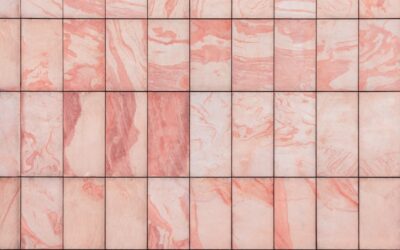
Gray dominated tile showrooms for a decade, but warmth is back, and homeowners are rediscovering how grounding an earthy floor can feel. Brown ceramic tile spans everything from pale sand and taupe to deep espresso and terracotta, giving you the look of stone, wood, or clay with the practical toughness of a fired ceramic body. It hides dirt, resists scratches, and pairs with almost any cabinet or wall color, which is exactly why it keeps returning to kitchens, baths, and entryways.
Part of our Tile & Grout guide — explore the full guide →
The trick to using brown well is choosing the right shade and finish for the room, then pairing it with complementary tones so the space feels rich rather than dated. This guide covers the range available, what it costs, and how to make brown tile look current in a modern home.
The Range of Brown Shades
Brown is not one color, and the shade you pick sets the entire mood of a room. Understanding the spectrum helps you match tile to the feeling you want:
- Light tan and sand: airy and neutral, great for small rooms that need to feel open
- Taupe and greige: the warm answer to gray, flexible with both cool and warm decor
- Terracotta and rust: Mediterranean and Southwestern warmth for kitchens and patios
- Chocolate and espresso: dramatic and cozy, best in well-lit or larger spaces
- Wood-look browns: planks that mimic oak, walnut, or reclaimed timber
Many collections layer subtle color variation into each tile, so a single floor reads as natural stone or aged wood rather than a flat block of color. That variation is your friend, because it hides crumbs, pet hair, and everyday scuffs between cleanings.
Matte, Glossy, or Textured Finish
Finish changes both the look and the practicality of brown ceramic tile. A matte or honed surface reads natural and earthy, hides water spots, and gives better traction underfoot, which makes it a smart choice for floors and bathrooms. Glossy glazes push the color deeper and reflect light, brightening a room, but they show smudges and can get slick when wet, so they suit walls and backsplashes better than floors.
Textured and structured finishes, including slate-look and wood-grain embossing, add grip and a tactile, organic quality. For an entry or a shower floor, that texture is worth choosing on purpose, since it dramatically improves safety without giving up the warm brown tone.
What Brown Ceramic Tile Costs
Ceramic is one of the most budget-friendly tile options, and brown shades are widely stocked, so pricing stays accessible. Basic field tile runs $1 to $5 per square foot, mid-range wood-look and textured lines land around $5 to $10, and premium designer or handmade-look tile can reach $12 or more.
Installation typically adds $7 to $14 per square foot depending on layout complexity and your region. Simple straight-set floors sit at the low end, while herringbone, diagonal, or intricate patterns cost more in labor. Add 10 to 15 percent extra tile for cuts, waste, and future repairs, and keep a few spare pieces boxed in the garage.
Designing With Brown Tile
The most common worry is that brown will feel heavy or old-fashioned. The fix is contrast and balance. Pair deep espresso floors with white or cream cabinets and bright grout to keep the space fresh. Warm taupe and greige tile plays beautifully with sage green, navy, brass fixtures, and natural wood, giving a modern, collected look.
Grout color is a quiet but powerful lever. A matching brown grout makes a floor read as one seamless expanse and hides dirt in the joints, while a lighter contrasting grout highlights the tile pattern and adds definition. In a small bathroom, tone-on-tone grout keeps things calm; in an entryway, a bit of contrast can showcase a herringbone or offset layout.
Care and Longevity
Glazed brown ceramic is nearly maintenance-free. The fired glaze resists staining and moisture, so routine care is just sweeping or vacuuming grit and damp mopping with a pH-neutral cleaner. Skip oil soaps and wax products, which build a dull film, and dry the surface after washing to avoid streaks on darker glazes.
The grout lines need the most attention, since they can trap dirt and darken over time. Seal cement grout after installation and reseal it every year or two, and use a grout brush with a mild cleaner when the lines start to look grimy. Treated this way, brown ceramic tile stays warm, durable, and stylish for decades, easily outlasting the paint colors and trends around it while anchoring the room in comfortable, natural warmth.
Where Brown Tile Works Best
Because brown reads as natural and forgiving, it fits rooms that see heavy use and inevitable mess. Entryways and mudrooms are a natural home for it, since the earthy tones swallow the tracked-in grit and road salt that would show glaringly on a pale floor. In a kitchen, a warm terracotta or taupe floor pulls dropped crumbs and pet hair into its variation, and it grounds white or wood cabinetry with a sense of permanence that gray floors sometimes lack.
Bathrooms benefit from brown in a different way. A honed chocolate or greige tile turns a small bath into a spa-like retreat, especially paired with brushed brass fixtures and plenty of soft lighting. Because the color hides water spots and soap film between cleanings, it stays looking presentable with less daily fuss than a stark white surface. Outdoors, frost-rated brown porcelain extends the same warmth to patios and covered porches, blending the transition between interior and exterior spaces.
Matching Brown Tile to Your Home’s Light
The amount and quality of natural light in a room should steer your shade choice more than any trend. North-facing rooms and basements get cooler, dimmer light, so a warm caramel or lighter taupe keeps the space from feeling like a cave, while a deep espresso can read almost black in low light. South- and west-facing rooms flooded with sun can carry darker, richer browns beautifully, since the daylight brings out the grain and depth in the tile.
It also pays to view samples in the actual room across a full day before committing. Bring home two or three candidate tiles, lay them on the floor, and watch how they shift from morning to evening under both daylight and your fixtures. Brown is chameleon-like, leaning warm or gray depending on what surrounds it, so seeing it against your real cabinets, walls, and lighting prevents the common regret of a floor that looked perfect in the showroom but flat at home.
Prefer to explore on your own?
See how new flooring looks in your actual room in seconds — free, no signup.
Try the free Floor Studio →