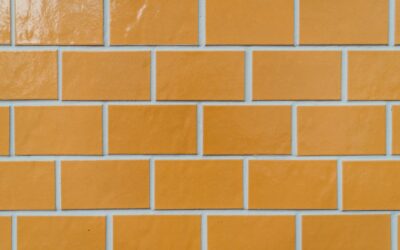
Off white subway tile has quietly become the designer’s answer to the stark, sometimes clinical look of bright white tile, offering all the classic charm of the subway shape with a warmer, softer, more livable tone. That subtle creaminess flatters warm woods, brass fixtures, and natural stone, hides everyday grime better than crisp white, and reads as timeless rather than trendy. Whether you are planning a kitchen backsplash or a bathroom surround, understanding the shades, layouts, and grout choices will help you get exactly the mood you want.
Part of our Tile & Grout guide — explore the full guide →
This guide explores the range of off-white tones, how to pair grout, popular layout patterns, realistic costs, and installation tips for a backsplash that looks professionally done.
- Why Choose Off White Over Bright White
- Understanding the Shades of Off White
- Choosing the Right Grout
- Popular Layout Patterns
- What Off White Subway Tile Costs
- Installation Tips
- Common Mistakes to Avoid
- Pairing Off White Tile With Cabinets and Countertops
- Cleaning and Long-Term Care
- Bringing Warmth Into Your Space
Why Choose Off White Over Bright White
Pure bright white tile can look cold and unforgiving, especially under LED lighting, and it shows every water spot and shadow. Off white, sometimes called almond, cream, biscuit, ivory, or greige, carries a hint of warmth that makes a space feel inviting rather than sterile. It bridges warm and cool palettes, so it works with oak cabinets and black fixtures alike. It also camouflages minor cooking splatter and soap film better than stark white, a practical bonus in busy kitchens and family bathrooms. The result is a backdrop that feels both classic and current.
Understanding the Shades of Off White
“Off white” covers a surprisingly wide range, and small differences change the whole feel of a room. Common categories include:
- Cream and ivory: The warmest, with a yellow undertone that pairs beautifully with brass, warm wood, and traditional styles.
- Almond and biscuit: A soft beige-white that feels cozy and forgiving, common in transitional kitchens.
- Greige: A gray-beige blend that leans slightly cooler and modern while still avoiding stark white.
- Antique and vintage white: Often with subtle color variation or a crackle glaze for a handmade, old-world look.
Always order samples and view them in your own space at different times of day, since the tile’s undertone shifts dramatically under natural light versus warm or cool bulbs.
Choosing the Right Grout
Grout color is the most powerful design decision you will make with subway tile, and it changes the entire effect:
- Matching off-white or cream grout: Blends the joints into the tile for a seamless, soft, monochromatic look that feels calm and expansive.
- Light greige or greige grout: Subtly defines each tile without harsh contrast, a popular middle-ground choice.
- Gray grout: Adds gentle definition and highlights the classic subway pattern while hiding dirt in high-traffic areas.
- Dark or charcoal grout: Creates bold, graphic contrast that emphasizes every tile, a striking modern-farmhouse statement.
For most homeowners wanting timeless warmth, a grout within a shade or two of the tile keeps things soft, while gray grout offers a practical balance of definition and easy maintenance.
Popular Layout Patterns
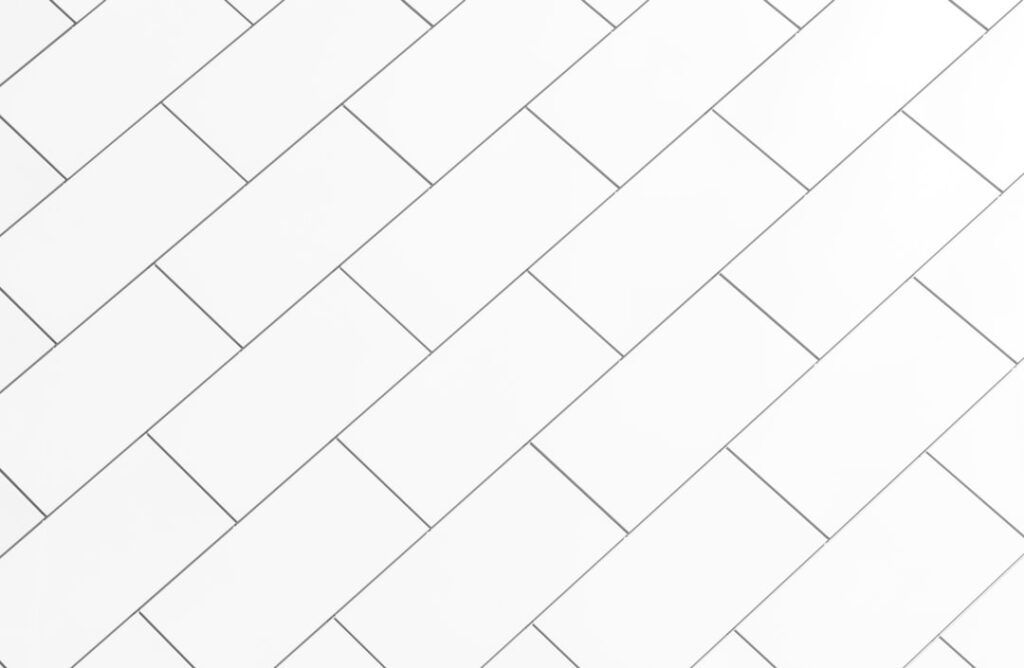
The humble rectangle can be arranged many ways, and the layout sets the personality. A classic running bond (offset by half) is the timeless default that never looks dated. A one-third offset gives a slightly more contemporary rhythm and reduces the lippage that can occur with long tiles. A vertical stack turns the tiles upright for a modern, heightening effect. A herringbone or chevron layout adds movement and elegance for a feature wall. Straight stacked (grid) reads crisp and minimalist. For a kitchen backsplash, running bond and herringbone are perennial favorites; in a bathroom, vertical stacking can make a small space feel taller.
What Off White Subway Tile Costs
Subway tile remains one of the most budget-friendly options. Ceramic subway tile runs roughly $2 to $8 per square foot for the tile itself, with handmade, zellige, or crackle-glaze versions climbing to $10 to $25-plus per square foot for their artisan look. A standard kitchen backsplash of 25 to 40 square feet keeps material costs modest. Professional installation typically adds $8 to $15 per square foot depending on the layout complexity, with intricate patterns like herringbone costing more in labor than a simple running bond. All told, a backsplash is often one of the highest-impact upgrades per dollar in a kitchen.
Installation Tips
Subway tile is a friendly DIY project, and off-white tone hides small imperfections well. Keep these pointers in mind:
- Start with a clean, flat, primed surface, and find your center line so cut tiles fall evenly at the ends rather than leaving a sliver on one side.
- Use the correct trowel notch, typically a 1/4-inch square notch for standard subway tile, and back-butter tiles on uneven walls.
- Maintain consistent grout lines with spacers, usually 1/16 to 1/8 inch, which suits the classic subway look.
- Wipe excess mortar off the tile face before it sets, and never let it dry in the joints.
- Let the thinset cure fully before grouting, then seal cement grout after it cures to resist staining.
Common Mistakes to Avoid
The most frequent error is choosing tile and grout that clash in undertone, such as a cool greige grout against warm cream tile, which looks muddy; keep undertones in the same family. Skipping the samples-in-your-own-light step leads to a tile that looked perfect in the store but reads too yellow or too gray at home. Starting a layout from a corner instead of a center line often leaves an awkward sliver cut in the most visible spot. And failing to seal cement grout in a kitchen means grease and splatter stain the joints within months. A little planning on undertone, layout, and grout sealing prevents all of these.
Pairing Off White Tile With Cabinets and Countertops
Off white subway tile is a chameleon that flatters an enormous range of kitchen palettes, but a few pairings sing. With white or cream cabinets, off-white tile creates a soft, layered monochromatic look that feels serene and expansive, especially when you vary the textures and add warm wood or brass accents to keep it from feeling flat. Against natural wood cabinets, the creamy tile echoes the warmth of the grain and produces the inviting, organic feel at the heart of modern farmhouse and Scandinavian kitchens.
The pairing that has become a modern classic is off-white tile with deep, saturated lower cabinets in navy, forest green, or charcoal. The warm neutral backsplash keeps those bold colors from feeling heavy and ties the room together. For countertops, off-white tile works beautifully with warm-veined quartz and marble, butcher block, and creamy solid surfaces. Be a little careful pairing it with very cool gray quartz, which can make a warm cream tile look mismatched; in that case, lean toward a greige tile that shares the countertop’s cooler undertone. As always, the key is keeping undertones in the same temperature family so the whole kitchen reads as intentional.
Cleaning and Long-Term Care
One of the practical joys of off white subway tile is how forgiving it is day to day, but a little care keeps it looking its best for years. The glazed surface of ceramic subway tile resists stains and wipes clean with a damp cloth and mild dish soap, which handles the grease and splatter of a working kitchen backsplash easily. Avoid abrasive scouring pads and harsh acidic cleaners on the tile face, since over time they can dull the glaze and, on natural-stone or handmade tiles, etch the surface.
The grout lines, not the tile, are where maintenance really matters. Cement grout is porous and absorbs grease, splatter, and moisture, gradually darkening and staining if left unsealed. Seal cement grout after it cures and re-seal it every year or two in a kitchen, which keeps the joints clean and makes wiping up far easier. For a truly low-maintenance option, epoxy grout resists stains and never needs sealing, though it costs more and is harder to install. When grout does get grimy, a soft brush with a baking-soda paste or a dedicated grout cleaner restores it without harsh chemicals. In a bathroom, run a bath fan during and after showers to control the moisture that otherwise feeds mildew in the grout. With these simple habits, an off-white subway backsplash stays bright and clean for the long haul.
Bringing Warmth Into Your Space
Off white subway tile earns its enduring popularity by being both classic and warm, flattering nearly every cabinet color, fixture finish, and countertop. Choose the undertone that suits your palette, pair it with a grout that either blends for softness or contrasts for definition, and pick a layout that fits your room’s personality. Do that, and you will have a backsplash or bathroom surround that feels inviting today and still looks right a decade from now.
Prefer to explore on your own?
See how new flooring looks in your actual room in seconds — free, no signup.
Try the free Floor Studio →