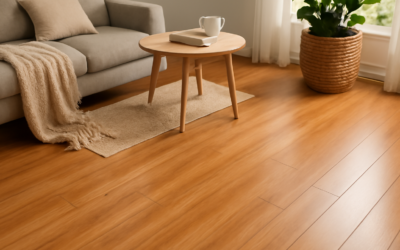
Walk into a 1990s ranch home and odds are you’ll see butterscotch oak flooring in the living room, the same warm honey color that builders installed by the millions of square feet. The look is making a quiet comeback in 2026 as homeowners step away from cool grays and ultra-white floors toward warmer, more livable tones. Butterscotch oak strikes a middle ground: it reads as wood, hides scratches well, and pairs with traditional and transitional decor without dating the space the way pure golden oak sometimes does. Understanding what’s actually in the box, though, separates a 30-year floor from a 10-year disappointment.
What Defines the Butterscotch Color
Butterscotch isn’t a wood species; it’s a color profile applied to red oak, white oak, or sometimes hickory. The tone falls between honey and amber, with light caramel undertones and minimal red. Manufacturers achieve it through a combination of stain, oxidation, and clear finish. Some mills use a smoke or fume process to deepen the color from within the grain, producing a richer look that doesn’t fade as quickly as surface-stained planks.
Color consistency varies by grade. Select grade pulls only the cleanest boards with even color; character grade includes knots, mineral streaks, and color variation that some homeowners specifically seek for a more rustic look.
Construction Options
You can buy butterscotch oak as solid 3/4-inch planks, engineered planks with a 2mm to 4mm oak veneer, or laminate and rigid core printed to look like butterscotch oak. Solid and engineered cost the most and look the most authentic; laminate runs cheapest but the printed visual repeats every few feet. Engineered is usually the right pick for whole-home installation because it works over concrete, with radiant heat, and in basements where solid oak fails.
Plank widths run 3 inches to 7-1/2 inches. Wider boards show off the butterscotch color and grain better but cost 15% to 25% more per sq ft and are less forgiving on uneven subfloors.
Pricing What You’ll Actually Pay
Solid butterscotch oak runs $4.50 to $9 per sq ft for materials. Mid-grade engineered with a 2mm wear layer sits at $4 to $7. Premium engineered with a 4mm sawn-face veneer (the kind you can sand and refinish) lands at $7 to $12. Laminate and SPC versions printed to mimic butterscotch oak start at $1.50 and top out around $4.50 per sq ft.
Installation adds $3 to $6 per sq ft depending on method. Nail-down on a wood subfloor is fastest; glue-down on slab is slowest. Floating engineered or laminate is the cheapest install option at $2 to $3 per sq ft.
Pros That Make It Worth Considering
Butterscotch oak hides scratches and dirt better than any darker stain because the tone closely matches the natural color of unfinished oak. When a chair leg gouges through the finish, the wood underneath is the same color as the surrounding floor. Dark walnut and ebony floors don’t have that camouflage; every scratch shows as a light line.
The color also pairs with a wide range of decor. Modern farmhouse, traditional, transitional, and craftsman styles all work with butterscotch oak. Resale value holds up better than trend colors like gray-washed oak, which can date a home if buyers’ tastes shift.
Cons to Plan Around
The biggest drawback is sun fading. Oak with amber stain darkens slightly in direct UV but the surrounding finish can yellow over time, especially older oil-based polyurethane. UV-stable water-based finishes solve this but cost $0.50 to $1.50 more per sq ft. Position rugs and rotate furniture every six months to even out exposure.
Butterscotch oak can also clash with cool-toned cabinets and countertops. Stark white cabinets, black quartz, and stainless appliances can make a butterscotch floor look dated rather than warm. The fix is to add warmth elsewhere with brass hardware, walnut accents, or warm-toned area rugs.
- Hides scratches well due to color match with unfinished wood
- Sun-fades if older finishes are used
- Versatile pairing with traditional and transitional decor
- Limited cool-tone compatibility in modern kitchens
Best Brands and Lines to Compare
Several mainstream manufacturers offer butterscotch oak under various marketing names. Bruce calls its version “Natural Oak” or “Butterscotch”; Mohawk’s RevWood Plus has a “Honey Oak” plank that reads butterscotch; Shaw’s “Castlewood Oak” line includes a Heritage stain that sits squarely in the butterscotch range. Higher-end mills like Stuga, Hallmark, and Mirage offer European white oak in butterscotch tones with hand-scraped or wire-brushed textures for $9 to $14 per sq ft.
Compare AC ratings on laminates (look for AC4 minimum), wear layer thickness on engineered (2mm or higher), and warranty coverage. Residential warranties of 25 years or more usually mean the manufacturer trusts the finish for the long haul.
Installation Tips That Matter
Acclimate solid butterscotch oak in the install room for 5 to 7 days before nailing it down; engineered needs 48 to 72 hours. The room’s humidity should sit between 35% and 55%. Use a moisture meter on the subfloor and confirm readings are within 4% of the wood’s moisture content (typically 6% to 9%).
For glue-down on concrete, use a urethane adhesive with built-in moisture protection rated for at least 12 lbs per 1,000 sq ft per 24 hours. Cheap PVA glues fail under moisture and you’ll see plank lift within two years. Trim, transitions, and stair nosings all need to be ordered to match the butterscotch finish; ordering after install is a six-week wait at best.
Care and Refinishing Over Time
Sweep or microfiber-mop weekly. Use a pH-neutral hardwood cleaner monthly and avoid steam mops, vinegar, and ammonia, all of which strip and dull the butterscotch oak finish. Felt pads under every chair and table leg prevent the most common source of damage. Re-coat the finish every 7 to 10 years before scratches reach bare wood; this $2 to $3 per sq ft service extends the life of the floor by another decade. Full sand-and-refinish runs $4 to $7 per sq ft and resets the floor entirely, with the option to keep the butterscotch color or shift to something else.
Prefer to explore on your own?
See how new flooring looks in your actual room in seconds — free, no signup.
Try the free Floor Studio →