Ductless mini splits promise efficient heating and cooling without the ductwork, and their rising popularity has homeowners eyeing the labor savings of a DIY install. So can I install a mini split myself? The honest answer is: partly yes with the right kit, but with real limits around refrigerant, electrical work, and warranties. DIY-friendly pre-charged systems have made self-installation genuinely possible for handy homeowners, while traditional units still legally require a licensed technician to handle the refrigerant. This guide lays out exactly what you can do yourself, what you cannot, and how to decide which path fits your project.
What a Mini Split Install Involves
A ductless system has two main parts: an outdoor condenser and one or more indoor air handlers connected by a line set carrying refrigerant, plus electrical wiring and a condensate drain. Installation means mounting both units, running the line set through a hole in the wall, making the electrical connections, and charging or connecting the refrigerant circuit. Each step demands different skills.
Mounting the units and drilling the wall pass-through are well within a competent DIYer’s ability. The refrigerant and high-voltage electrical work are where regulation and technical difficulty enter. Understanding which of these tasks you can legally and safely do yourself is the whole question behind self-installation.
DIY-Friendly Pre-Charged Kits
The reason self-installation is now realistic is the pre-charged mini split kit, sold by brands like MRCOOL and others. These come with a line set that is already filled with refrigerant and uses quick-connect fittings, so you never open the sealed refrigerant system or need a vacuum pump and gauges. You simply screw the fittings together and release the refrigerant.
- No EPA certification needed: Because the sealed system stays closed and pre-charged, you avoid the refrigerant-handling rules that govern traditional units.
- Quick-connect line sets: Fittings thread together by hand and tool, eliminating flaring and brazing copper.
- Included instructions: These kits are designed for homeowners, with clear guides and often app support.
- Standard sizes: Line sets come in fixed lengths like 16 or 25 feet, so plan your unit placement around available lengths.
With a pre-charged kit, a homeowner comfortable with tools and basic wiring can complete a single-zone install in a weekend. This is the realistic route for true DIY, and it sidesteps the biggest legal barrier.
Traditional Units and the Refrigerant Rule
Standard mini splits, which make up most of the market and cost less than DIY kits, ship with the refrigerant in the condenser and require the installer to evacuate the line set with a vacuum pump and release the charge. Handling refrigerant legally requires EPA Section 608 certification in the United States, and doing it right requires gauges, a vacuum pump, and the knowledge to pull a proper vacuum.
Releasing refrigerant to the atmosphere is illegal and harmful, and an improperly evacuated system will fail prematurely because moisture and air contaminate the refrigerant. For these units, the refrigerant connection is genuinely a job for a licensed HVAC technician, even if you handle the mounting and rough-in yourself to save on labor.
Electrical Work and Permits
Regardless of kit type, mini splits need a dedicated electrical circuit, typically 208 to 240 volts for larger units, run from your panel with the correct breaker and disconnect. Unless you are experienced and permitted to do electrical work, this portion should go to a licensed electrician. Wiring a new circuit into a panel carries shock and fire risk and almost always requires a permit and inspection.
Most jurisdictions require permits for both the electrical circuit and the HVAC installation. Skipping permits can void your homeowner’s insurance if a problem arises and creates issues when you sell the home. Check your local building department before starting, since some areas restrict who may install HVAC and refrigerant equipment at all.
Tools and Skills You Need for DIY
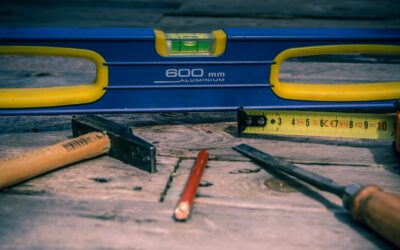
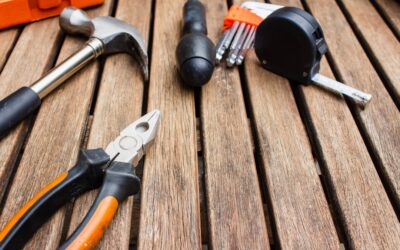
If you go the pre-charged route, gather the right tools and honestly assess your skills. You will need a drill with a hole saw for the wall pass-through, a level, a wrench set for the fittings, a stud finder, and possibly a manifold for the electrical connections. The line set hole must slope slightly downward to the outside so condensate drains properly.
Skills that matter include mounting the indoor bracket dead level, sealing the wall penetration against air and pests, securing the outdoor unit on a pad or wall bracket, and making tight, leak-free quick-connect fittings. If wiring the indoor-to-outdoor communication cable and connecting a disconnect box feel beyond you, plan to hire an electrician for that stage even on a DIY kit.
The Warranty Question
Warranties are a major consideration that catches DIYers off guard. Many manufacturers of traditional mini splits void the warranty unless a licensed professional performs the installation, so a self-install can leave you without coverage on an expensive system. DIY-oriented brands, by contrast, honor their warranties on homeowner installs, which is part of what you pay the premium for.
Read the warranty terms before you buy. If you want a traditional unit’s lower price, factor in professional installation to keep the warranty valid. If you want the freedom to install yourself with coverage intact, buy a kit explicitly designed and warrantied for DIY. Trying to self-install a professional-only unit risks both the warranty and a poor result.
When to Hire a Professional
Hiring out makes sense in several cases. Multi-zone systems with several indoor heads are complex to balance and charge, and traditional units require certified refrigerant handling. If your electrical panel needs upgrading to add the circuit, or you are not confident working at height to mount the outdoor unit, a pro is the safer call.
A professional single-zone install typically runs $3,000 to $5,000 including the equipment, while a DIY pre-charged kit might cost $1,200 to $2,500 for the same capacity plus your labor. The savings are real, but so is the value of a warranty-backed, code-compliant system that performs correctly for years. Weigh your skills, the local rules, and the warranty against the money saved.
Final Thoughts
So can I install a mini split myself? With a DIY pre-charged kit and reasonable handyman skills, yes, you can handle the mounting, line set, and rough-in, and often the whole job if you are comfortable with wiring. Traditional units require an EPA-certified technician for the refrigerant and a licensed electrician for the circuit, and their warranties usually demand professional installation. Choose a kit built for homeowners if you want to go it alone, respect the permit and code requirements, and bring in a pro for anything involving refrigerant on a standard unit or panel wiring you are unsure about.
Frequently Asked Questions
Do I need EPA certification to install a mini split?
Not if you use a pre-charged DIY kit from a brand like MRCOOL. Because the sealed refrigerant system stays closed and uses quick-connect fittings, you never open the circuit or need a vacuum pump, so the EPA Section 608 rules do not apply. Traditional units, however, ship with refrigerant that must be evacuated and charged by a technician, and that legally requires certification.
How much does DIY installation actually save?
A professional single-zone install typically runs $3,000 to $5,000 including equipment, while a DIY pre-charged kit costs $1,200 to $2,500 for the same capacity plus your labor. The savings are real, but weigh them against the value of a warranty-backed, code-compliant system, since many traditional-unit warranties are void without professional installation.
Can I do the electrical work myself?
Mini splits need a dedicated 208 to 240 volt circuit run from your panel with the correct breaker and disconnect. Unless you are experienced and permitted to do electrical work, this portion should go to a licensed electrician, since wiring a new circuit into a panel carries shock and fire risk and almost always requires a permit and inspection.
Do I need a permit?
Most jurisdictions require permits for both the electrical circuit and the HVAC installation. Skipping them can void your homeowner’s insurance if a problem arises and creates issues when you sell. Check with your local building department before starting, since some areas restrict who may install refrigerant equipment at all.