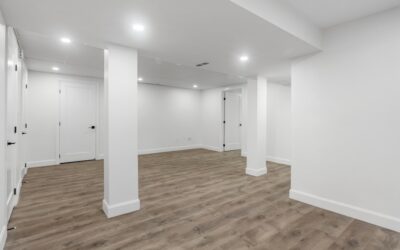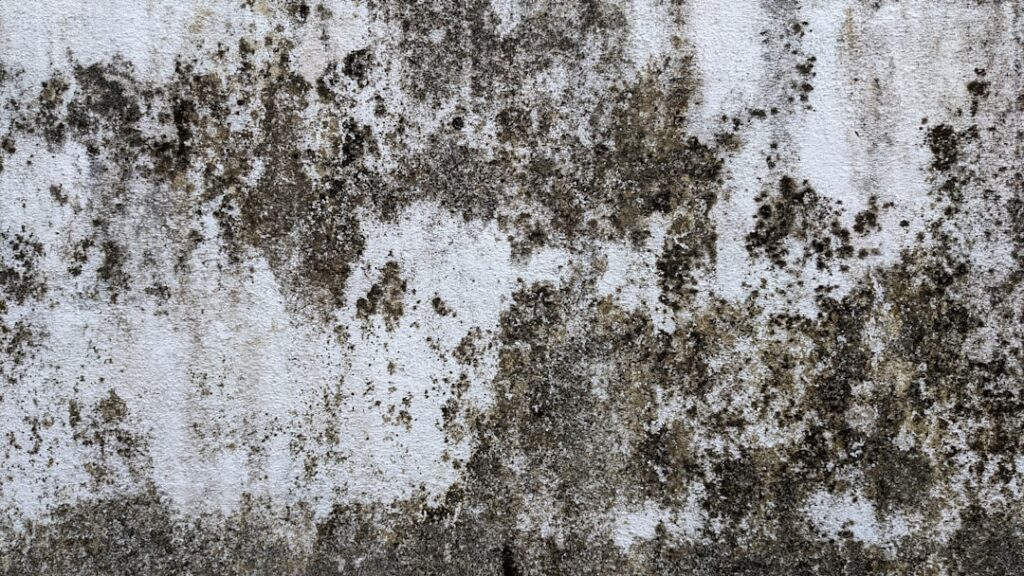
Concrete seems like the last place mold should thrive — it’s mineral, alkaline, and contains nothing a fungus can eat. Yet walk into almost any damp basement and you’ll find dark blotches creeping across the block walls. So can mold grow on concrete? Yes, and it does so constantly. Mold doesn’t feed on the concrete itself; it feeds on the microscopic layer of organic material sitting on the surface — dust, skin cells, soil, pollen, paint residue — and concrete’s porous, moisture-holding structure gives it the damp anchor it needs. Understanding that distinction is the key to both removing mold and keeping it from coming back.
Why Mold Colonizes a Surface That Isn’t Food
Mold needs three things: moisture, organic nutrients, and temperatures roughly between 40°F and 100°F. Concrete supplies the first requirement better than almost any building material. It’s a sponge of capillary pores that wicks ground moisture up through slabs, pulls humidity out of basement air, and holds rainwater in shaded exterior surfaces for days. Relative humidity above 60 percent at the surface is enough for many species to germinate.
Nutrients arrive on their own. A basement wall accumulates a biofilm of dust and organic debris within months. Exterior slabs collect leaf litter, soil splash, and tree pollen. Even the additives in some concrete sealers and the paper facing on adjacent drywall qualify as food. Common colonizers include Cladosporium (olive-green to black, the usual basement suspect), Aspergillus and Penicillium (green, white, or blue-green powdery growth), and in chronically wet conditions with adjacent cellulose, Stachybotrys — the infamous “black mold.” Shaded north-facing patios often host a mix of mold and algae, which is why those green-black stains return every spring.
Mold vs Efflorescence: Don’t Confuse Them
Half the “mold” homeowners scrub off basement walls is actually efflorescence — white, crystalline mineral salts left behind when water migrates through concrete and evaporates. The test takes ten seconds: spray a little water on the deposit. Efflorescence dissolves or goes transparent and feels gritty; mold smears, stays dark, and often carries a musty odor. You can also crumble efflorescence to powder between your fingers, while mold wipes off in a streak.
The distinction matters because the treatments differ. Efflorescence is a moisture symptom cleaned with a stiff brush and diluted vinegar or a masonry efflorescence cleaner — no biocide needed. Mold is a living colony that requires cleaning plus a fix for the moisture source. Both appearing together, which is common, tells you water is actively moving through the wall and should push moisture control to the top of your list.
Where Mold Shows Up on Concrete
Growth follows moisture, so the usual locations are predictable:
- Basement walls and floors: especially below grade on the coolest walls, behind stored boxes, and under carpet or laminate laid directly on the slab
- Crawl space piers and footings: ventilated crawl spaces in humid climates run 70-90 percent RH all summer
- Garage slabs: under parked cars that drip snowmelt, and along walls where drainage slopes toward the building
- Exterior patios, walks, and driveways: shaded areas, especially under trees and on north exposures
- Concrete block foundations: the hollow cores hold condensation, and growth often starts inside mortar joints
Indoors, take mold on concrete seriously beyond aesthetics. Spores aggravate asthma and allergies, and a moldy basement slab under flooring can feed odor and air-quality problems through the whole house via the stack effect. The EPA’s guideline: areas under about 10 square feet are reasonable DIY work; larger infestations, or any mold tied to sewage or chronic flooding, justify a professional remediation quote (typically $500 to $3,000 for basements).
How to Remove Mold from Concrete
Kill and clean are two separate jobs, and cleaning matters more. Dead mold left in place still stains and still triggers allergies, so physical removal of the colony is the goal. Suit up first — N95 respirator, goggles, rubber gloves — and open windows or run a fan blowing out.
- Dry-brush and vacuum. Scrub loose growth with a stiff nylon brush and vacuum the debris with a HEPA-filter shop vac. Never use a regular vacuum, which blows spores back into the air
- Wash with detergent. Scrub the area with warm water and a squirt of dish soap or, better, a saturated solution of borax (1 cup per gallon of hot water). Borax cleans, kills, and leaves an alkaline residue that discourages regrowth
- Disinfect stubborn staining. For remaining dark stains, apply a bleach solution — 1 cup of regular bleach per gallon of water — keep the surface wet for 10 minutes, scrub, and rinse. Outdoors, oxygenated cleaners like Wet & Forget or a 30 SECONDS-type outdoor cleaner handle mixed mold/algae stains with less plant damage
- Dry fast. Fans and a dehumidifier for 24-48 hours. A surface that stays damp after cleaning will recolonize within weeks
Never mix bleach with ammonia or acids, and skip bleach entirely on painted concrete you want to keep — test a hidden spot first. On exterior slabs, a pressure washer at 2,500 to 3,000 PSI with a 25-degree tip strips mold quickly, but follow with a cleaner; blasting alone leaves rooted hyphae in the pores that regrow on schedule.
Fixing the Moisture That Caused It
Every mold patch on concrete is a moisture map. Clean the growth without changing the moisture and you’ve scheduled a rematch. Start outside: extend downspouts 4 to 6 feet from the foundation, regrade soil to fall at least 6 inches over the first 10 feet, and clear gutters — these three fixes solve more basement moisture than any product. Inside, run a dehumidifier sized for the space (a 50-pint unit handles most basements) and hold humidity below 50 percent; a $15 hygrometer keeps you honest.
For slabs that wick ground moisture, tape a 2 x 2 foot square of plastic sheeting to the concrete for 24 hours. Condensation under the plastic means vapor is driving up through the slab — a problem for any flooring you plan to install and a standing invitation to mold under rugs and boxes. Penetrating silicate or siloxane sealers reduce surface moisture uptake, and a vapor-barrier underlayment is mandatory before laying flooring over such a slab. In crawl spaces, encapsulation with a 12-mil poly liner plus a small dehumidifier ends the annual mold cycle for good.
Preventing Regrowth
Once concrete is clean and the water source is controlled, prevention is mostly housekeeping. Keep stored items on shelves 4 inches off basement floors and a few inches away from walls so air can circulate. Sweep exterior slabs seasonally to remove the leaf litter and soil film that feed growth, and trim vegetation that keeps patios shaded and damp. In chronically humid basements, an annual wipe-down of walls with the borax solution costs an hour and prevents the biofilm from re-establishing.
Painting is the step people rush. If you want to coat a basement wall, clean and kill all growth first, let the wall dry thoroughly, then use a masonry waterproofing paint like Drylok — applying paint over active mold just gives the colony a fresh food layer of paint binders and a hidden place to work. Mold-resistant additives can be mixed into most masonry paints for a few dollars more and are worth it below grade.
When to Call a Professional
Some situations outgrow the scrub bucket. Call a remediation firm when growth covers more than about 10 square feet, when it returns within weeks of a thorough cleaning despite moisture fixes, when anyone in the house has mold-sensitive asthma or immune issues, or when the mold traces to sewage backup or long-term hidden flooding — those carry bacterial contamination that DIY cleaning doesn’t address. Expect $500 to $3,000 for typical basement remediation, and insist the contractor identify and price the moisture correction, not just the cleanup. A firm that only sprays biocide and leaves is selling you the same problem back in six months.
The Bottom Line
Mold can absolutely grow on concrete — not by eating the material, but by living off the organic film that settles on its damp, porous surface. The removal formula is straightforward: protect yourself, physically scrub the colony off, disinfect with borax or diluted bleach, and dry the area fast. The lasting fix is always moisture control — drainage, dehumidification, and vapor management. Handle both halves and concrete becomes what it should have been all along: one of the least hospitable surfaces in your house for mold.