Lift the tank lid on most American toilets and you will find some level of biofilm clinging to the porcelain. Persistent black, pink, or orange streaks under the rim are a different problem entirely. Mold in toilet bowls and tanks signals stagnant water, organic residue, or a small humidity issue that needs fixing before it spreads to the floor flange and subfloor. The good news is that almost every case clears with a $4 bottle of bleach and 30 minutes of work.
Part of our Bathroom Remodeling & Flooring guide — explore the full guide →
What Mold in a Toilet Actually Looks Like
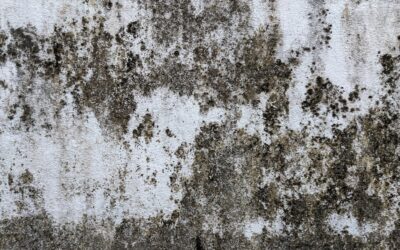
Three growths get lumped together as toilet mold. Black mold (often Aspergillus or Cladosporium) shows up as dark dots under the rim or as a slick film inside the tank. Pink “mold” is actually Serratia marcescens, a bacterium that loves the residual minerals in chlorinated water. Orange streaks below the waterline are usually iron bacteria from a well source.
Look in three spots: under the bowl rim where water exits the jets, at the waterline inside the tank, and under the seat hinges. A flashlight and a small hand mirror help you see the rim jets without removing the seat.
Why Mold Keeps Returning
Spores need moisture, food, and time. Toilets supply all three. Water sitting in a guest bathroom that gets used twice a month gives spores 28 to 30 days of uninterrupted growth. Hard water above 7 grains per gallon leaves calcium scale that mold latches onto. A leaking flapper that drips $10 of water per month also keeps the bowl in constant low-flow conditions ideal for biofilm.
Bathroom humidity above 60% is another driver. Without an exhaust fan rated for the room size (typically 80 to 110 CFM for a 5×8 bath), spores from a steamy shower settle on every wet surface, including the toilet rim.
Supplies You Need Before Cleaning
- Heavy-duty rubber gloves and safety glasses (mold splashes during scrubbing)
- Regular Clorox bleach, around $3.50 per 81-oz jug
- Distilled white vinegar for mineral-heavy buildup
- A stiff nylon toilet brush (avoid wire — it scratches the porcelain glaze)
- An old toothbrush for rim jets and tank corners
- An N95 mask if the growth is widespread or you have respiratory sensitivities
Never mix bleach with vinegar, ammonia, or any toilet bowl cleaner containing acid. The chlorine gas reaction is dangerous in a small bathroom.
Step-by-Step Removal from the Bowl
Shut the water supply off at the angle stop behind the toilet and flush once to drop the bowl level. This concentrates your cleaner instead of diluting it. Pour 1 to 2 cups of bleach directly under the rim and let it run down the sides. Add another cup to the standing water at the bottom of the trap.
Wait 15 minutes for contact time. Scrub the rim jets, the waterline ring, and the trap with the toilet brush. Use the toothbrush to reach inside each jet hole. Turn the water back on, flush twice, and check the rim with a mirror. A second pass usually clears anything stubborn.
Cleaning Mold Inside the Tank
Tank mold is more common than people realize because the lid stays down. Shut off the supply, flush to empty, and pour 3 cups of bleach into the empty tank. Let it sit for 20 minutes, then use a scrub sponge on a stick (Scotch-Brite makes one for around $7) to wipe the walls and the underside of the lid.
If you have a rubber flapper or a Korky 2014A fill valve, watch the contact time. Long bleach exposure can degrade rubber. For weekly maintenance, a Kaboom or Lysol tank tablet rated as flapper-safe is gentler. Refill, flush twice, and confirm the water clears.
When Vinegar Beats Bleach
If your water leaves white crusty rings, you are dealing with calcium and magnesium scale. Bleach will not dissolve it. Drain the bowl, pour 4 cups of warm distilled vinegar around the rim, and let it sit for 1 hour. Scrub with the brush. For severe scale, CLR Calcium Lime Rust ($6 at Home Depot) handles deposits that vinegar leaves behind. Always rinse fully before introducing any chlorinated cleaner afterward.
Preventing Regrowth
The cheapest prevention is use. Flush every toilet in the house at least every 3 to 4 days, including the basement guest bath. Set a phone reminder if needed. Replace flapper valves every 3 to 5 years — Fluidmaster 502 flappers run $5 and stop the slow leaks that feed biofilm.
Run the bathroom exhaust fan for 20 minutes after every shower. A Panasonic WhisperCeiling FV-0511VQ1 (about $180) moves 110 CFM quietly enough that people will actually leave it on. For homes on well water with iron bacteria, a whole-house chlorine injection system or a Pelican PSE1800 ($1,800 to $2,400 installed) tackles the source.
When to Call a Plumber or Mold Pro
A few situations go beyond cleaning. If mold reappears within a week of a thorough scrub, you may have a cracked tank-to-bowl gasket leaking water onto the closet flange. Black staining around the base on the floor often means a failed wax ring and water under the tile. Both are around $150 to $300 jobs.
If you see fuzzy growth on drywall behind or beside the toilet covering more than 10 square feet, IICRC S520 guidelines call for professional remediation. Expect $500 to $1,500 for a contained removal in a small bathroom.
Quick Maintenance Schedule
- Weekly: scrub the bowl with a standard cleaner like Lysol Power Toilet Bowl Cleaner
- Monthly: bleach soak under the rim for 15 minutes
- Quarterly: inspect and clean the tank interior
- Annually: replace the flapper and check the supply line for drips
Stay ahead of the moisture and food supply, and toilet mold becomes a 10-minute chore instead of a recurring problem.