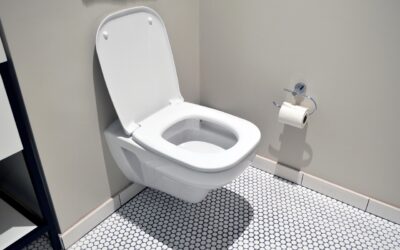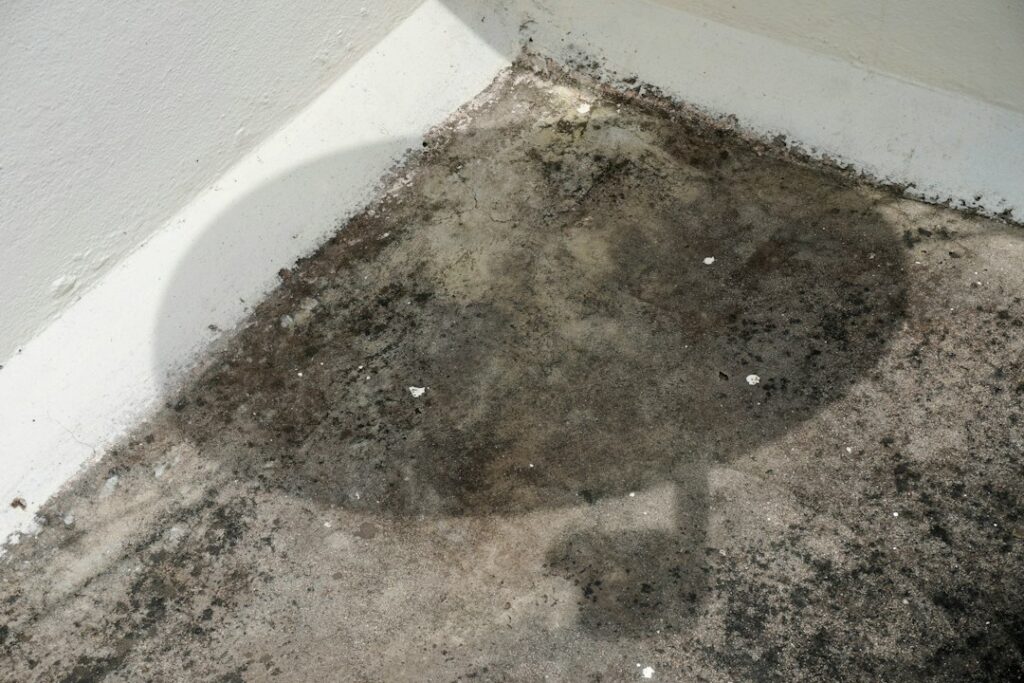
A black ring inside the bowl or a fuzzy patch under the rim is not just a cleaning failure. A moldy toilet almost always signals a humidity, ventilation, or plumbing issue that will return within weeks if you only scrub the surface. Solving it for good takes a different approach than the weekly bleach-and-brush routine most homeowners default to.
Part of our Bathroom Remodeling & Flooring guide — explore the full guide →
What Mold Actually Is Inside Your Toilet
Most black, gray, or pink growth in a toilet is not technically mold. The pink film is Serratia marcescens, an airborne bacterium that thrives on the phosphates and fatty residues in soap and urine. True molds like Aspergillus and Cladosporium produce black or green colonies and usually appear under the rim or inside the tank where light is limited and humidity stays above 60 percent.
The species matters because pink Serratia wipes off with almost any cleaner. Real mold roots into porcelain micro-pits and tank rubber gaskets, demanding a longer dwell time and stronger chemistry.
The Three Root Causes
- Stagnant tank water: Toilets used once a week or less let chlorine in municipal water dissipate, letting spores colonize.
- Bathroom humidity above 60 percent: Often from a broken or undersized exhaust fan or a hot shower with no ventilation.
- Old wax ring or seal leaks: A slow leak under the base wicks moisture into the subfloor, creating a permanent damp zone where mold flourishes.
Safe Cleaning Chemicals and Dilution
For routine pink film, hydrogen peroxide at 3 percent (the brown drugstore bottle) sprays directly on the affected area, dwell 10 minutes, then scrub with a stiff nylon brush. For real black mold, use sodium hypochlorite (chlorine bleach) at the EPA-recommended ratio of 1 cup bleach to 1 gallon water. Wear gloves, ventilate, and never mix bleach with ammonia-based cleaners like Lysol Multi-Surface or vinegar.
Brand-name options include Clorox Clean-Up at $4 to $6 a bottle for ready-to-use convenience, Lysol Power Toilet Bowl Cleaner with its 9.5 percent HCl formula that lifts stains and kills mold in 30 seconds, and OxiClean Versatile Stain Remover dissolved at 1 scoop per gallon for non-bleach households.
Step-by-Step: Killing Mold in the Bowl and Tank
- Shut off the water supply valve behind the toilet and flush to drain the tank.
- Pour 1 cup of bleach into the empty tank and let it dwell 30 minutes, swabbing the walls with a long-handled brush.
- Pour an additional 1/2 cup of bleach under the bowl rim and use a toilet brush to coat the entire interior.
- Wait 15 minutes, then flush twice with the supply valve reopened to clear the chemistry.
- Finish with a vinegar rinse if you used bleach, but only after a full clean-water flush to avoid mixing chemicals.
For stains under the rim that resist scrubbing, soak paper towels in bleach and press them up under the rim. Leave for 60 minutes. Discard, flush, then re-scrub.
Brand Spotlight: What Works Inside the Tank
Drop-in tank tablets like Clorox Automatic Toilet Bowl Cleaner add chlorine to every flush and prevent regrowth for 30 to 45 days per tablet. The downside is that they corrode rubber flappers and gaskets, shortening tank-part life to 2 to 3 years instead of 5 to 7. Consider a flapper upgrade to a Korky 2014 chlorine-resistant model if you use tablets.
Method Antibac Toilet Bowl Cleaner offers a gentler option at $4 per bottle, using citric acid and benzalkonium chloride. It is rated for septic systems and does not damage rubber. Mr. Clean Magic Eraser works mechanically on stubborn rings but pairs best with a chemical cleaner for biological growth.
Fix the Humidity, Stop the Regrowth
Bathroom relative humidity should stay below 55 percent to suppress mold. Measure with a $15 hygrometer from Govee or AcuRite. If readings stay above 60 percent after showers, the exhaust fan is undersized or failing.
Sizing rule: 1 CFM of fan capacity per square foot of bathroom area, with a minimum of 50 CFM. A 60 sq ft bath needs at least 60 CFM, and showers benefit from 80 to 110 CFM units like the Panasonic WhisperCeiling DC FV-0511VKS2 or Broan-NuTone AE80B. Run the fan for 20 minutes after each shower with a timer switch like the Leviton LTB30-1LZ.
Check for Hidden Leaks
Recurring mold around the toilet base often signals a failed wax ring. Press the toilet gently side to side. Any rocking motion means the bolts are loose or the flange has dropped, both of which break the wax seal. A new Fluidmaster 7530 wax ring costs $5, and replacement runs about 60 to 90 minutes for a DIYer. Persistent leaks may require flange repair with a Sioux Chief OmniFlange or a full flange replacement, which moves into licensed-plumber territory at $200 to $450.
Also inspect supply line connections, the tank-to-bowl gasket, and the fill valve seal. A weeping fill valve is a stealth humidity source that runs for years before anyone notices.
Prevention Routine That Works
- Scrub bowl and rim weekly with a chlorine-based or peroxide cleaner.
- Run the exhaust fan during every shower and for 20 minutes after.
- Flush guest or low-use toilets at least once a week to refresh tank water.
- Wipe down the tank exterior and floor around the base monthly.
- Replace rubber flapper every 3 to 5 years to maintain a clean seal.
When to Call a Pro
Black mold growth on the wall behind or beside the toilet usually indicates substrate damage requiring drywall cut-out and remediation. EPA RRP rules apply if the home was built before 1978 and lead paint is present. Call a mold remediation contractor when the affected area exceeds 10 square feet, when mold appears on porous materials like baseboard or subfloor, or when occupants have respiratory symptoms. Cleanup at that scale costs $500 to $3,000 and is worth every dollar compared to chronic exposure.