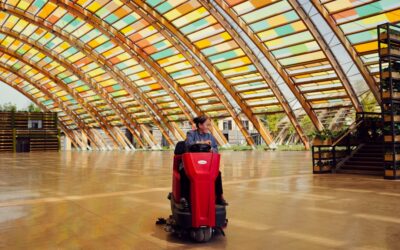
Renting a machine instead of hiring a service can save a household $150 to $400 on a whole-home deep clean, which is why carpet cleaning equipment rental has become one of the most popular weekend projects for budget-minded homeowners. A rental machine gives you professional-grade extraction power for a fraction of the cost of a service call, and it lets you clean on your own schedule, spot-treat problem areas, and go back over stubborn stains without paying for a second visit.
Still, walking into a grocery store or hardware center and grabbing the first machine on the rack is a mistake. Rental units vary widely in suction strength, tank size, and included accessories, and the wrong choice can leave carpets soaked, over-shampooed, or barely improved. This guide breaks down what you actually get when you rent, what it costs, and how to use the equipment so your floors dry fast and look like new.
What a Rental Machine Actually Does
Most rental units are hot-water extraction machines, often loosely called steam cleaners even though they do not produce true steam. They spray a heated solution of water and detergent deep into the carpet pile, agitate the fibers, then vacuum the dirty liquid back into a recovery tank. This extraction process pulls out embedded grit, pet dander, and dissolved soils that a standard vacuum leaves behind.
Consumer-grade rental machines typically deliver 1 to 2 gallons of solution capacity and moderate suction. Commercial upright rentals, such as the familiar large units near store entrances, offer stronger vacuum motors and heat-assist features that speed drying. The stronger the recovery suction, the less water stays trapped in your carpet, which is the single biggest factor in how quickly a room dries and whether it smells musty afterward.
Where to Rent and What It Costs
Rental options fall into a few predictable buckets, and prices vary by region and season:
- Grocery and drug stores: Self-service upright machines run about $30 to $40 for 24 hours, or roughly $25 for a shorter 4-hour block. Detergent is sold separately at $15 to $25 per bottle.
- Home improvement centers: Expect $30 to $50 per day for a portable extractor, with larger walk-behind units reaching $60 to $80. Many offer half-day rates.
- Tool and equipment rental yards: These carry true commercial extractors and truck-mount-style portables, priced $70 to $120 per day, best suited for large homes or multiple properties.
- Local hardware stores: Independent shops sometimes rent well-maintained mid-size machines at competitive daily rates and offer friendlier advice than big-box counters.
Budget for consumables on top of the base rate. A typical whole-home clean uses one to two bottles of detergent, and some stores require a refundable deposit of $50 to $100 charged to a card until the machine is returned clean and on time.
Matching the Machine to Your Job
Square footage and carpet type should drive your choice. For a single bedroom or a set of stairs, a compact portable extractor with a 3/4-gallon tank is plenty and far easier to haul than a heavy commercial unit. For 1,000 square feet or more of wall-to-wall carpet, step up to a large-capacity machine so you are not refilling and emptying tanks every ten minutes.
Check the accessories included before you leave the counter. A handheld upholstery tool with a 6-inch cleaning path is essential for stairs, car interiors, and furniture. A crevice or stair tool helps along baseboards. If the rental lacks these attachments and you need them, ask whether they are available or choose a different provider. Confirm the power cord length too, since a short cord means constant outlet-hunting in larger rooms.
Step-by-Step: Using the Equipment Correctly
Technique matters more than machine horsepower. Follow this sequence for professional-looking results:
- Vacuum thoroughly first. Extraction machines pull out dissolved dirt, not loose debris. Skipping this step turns dry crumbs into mud that clogs the machine.
- Pre-treat stains and traffic lanes. Apply a spot remover or diluted pre-spray to entryways, hallways, and visible marks, then wait 5 to 10 minutes.
- Fill tanks with hot tap water and the correct detergent dose. Overdosing leaves sticky residue that attracts dirt faster, so measure precisely and never exceed the label ratio.
- Push forward with the trigger down to spray, then pull back slowly with the trigger released to extract. This “wet pass, dry pass” rhythm removes the most water.
- Do a final dry pass or two over each lane with no spray to suck up extra moisture.
- Empty the recovery tank often. A full dirty-water tank kills suction and can trigger the machine’s shutoff float.
Work from the far corner of the room toward the exit so you are never walking across freshly cleaned carpet. Overlap each pass by a couple of inches to avoid streaks.
Drying Time and How to Speed It Up
Properly extracted carpet dries in 6 to 12 hours, but under-powered rentals or heavy solution use can stretch that to 24 hours or more. Damp carpet left too long invites mildew and that stale wet-dog odor. Cut drying time by opening windows, running ceiling fans and box fans across the floor, and setting the HVAC system to circulate air. In humid weather, a dehumidifier makes a noticeable difference.
Stay off the carpet until it is dry to the touch, and avoid replacing furniture until then. If you must move pieces back sooner, slip squares of aluminum foil or plastic film under the legs to prevent rust stains and wood finish bleed onto the damp fibers.
Common Mistakes That Ruin Results
Over-wetting tops the list. A machine with weak suction combined with a heavy trigger finger leaves carpet saturated, which lengthens drying and can loosen the backing adhesive. Using too much detergent is a close second, because leftover soap turns into a magnet for new dirt and your carpet re-soils within days.
Other frequent errors include skipping the pre-vacuum, cleaning in a hot room without airflow, and returning the machine dirty, which forfeits the deposit. Never use household dish soap or laundry detergent as a substitute for carpet solution; the foam overwhelms the recovery system and coats fibers with residue that is nearly impossible to rinse out.
Rent or Hire a Pro? Making the Call
A rental makes the most sense for routine maintenance cleaning, small to medium homes, and homeowners comfortable with a few hours of physical work. If you have delicate wool or antique rugs, severe pet urine contamination, or a wall-to-wall installation over 1,500 square feet, a professional with truck-mounted equipment and higher water temperatures will likely outperform any rental and protect your warranty.
For most everyday situations, though, carpet cleaning equipment rental delivers 80 to 90 percent of professional results at a quarter of the price. Plan the job for a low-humidity day, buy an extra bottle of detergent so you never run short mid-project, and reserve the machine early on weekends when demand peaks. With good technique and realistic expectations, a $40 rental can refresh an entire home and buy you another year before the carpets need attention again.