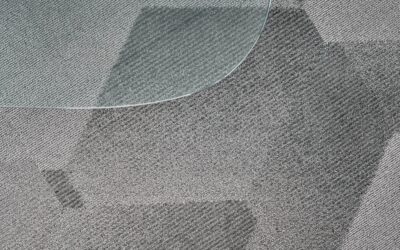
A carpet cover is a simple, inexpensive product that can save you from costly carpet replacement during a renovation, move, party, or stretch of heavy traffic. Whether you are protecting new carpet from a painting project, shielding a hallway during a move, or keeping a rental’s flooring pristine between tenants, the right cover keeps dirt, paint, spills, and wear off the fibers. There are several types designed for different situations, and choosing correctly makes the difference between solid protection and a slipping, useless sheet. This guide explains the options, their best uses, and how to pick and apply one.
Why Use a Carpet Cover
Carpet is one of the easier flooring surfaces to ruin, since it stains, mats, and traps debris readily. A cover acts as a sacrificial barrier so the carpet underneath stays clean and undamaged.
Common reasons to use one include protecting carpet during interior painting or construction, shielding high-traffic paths during a move, keeping stairs and hallways clean during events, and preserving flooring in staged or rental homes. The small cost of a cover is trivial next to professional cleaning or carpet replacement, making it cheap insurance.
Types of Carpet Covers
Carpet covers come in several forms, each suited to different needs. Matching the type to your situation is key.
Self-Adhesive Carpet Film
This is a thin, peel-and-stick plastic film that adheres lightly to carpet and rolls out across the surface. It clings in place so it will not slide, blocks dirt and spills, and peels off cleanly when the job is done. It is the go-to for renovations, painting, and construction, and is sold in rolls of varying widths and lengths. Always check that the film is designed for carpet and remove it within the manufacturer’s recommended time so adhesive does not transfer.
Reusable Carpet Runners and Mats
Plastic runners, often with a ribbed or studded backing that grips the carpet, protect walkways during repeated traffic. They are reusable and ideal for ongoing protection in offices, events, and showings.
Drop Cloths and Plastic Sheeting
Canvas drop cloths and plastic sheeting offer budget protection but tend to slide and bunch underfoot, creating trip hazards. They work for stationary projects but are inferior to adhesive film for traffic areas.
Choosing the Right Carpet Cover
Pick the cover based on how long you need it, how much traffic it will see, and the type of mess you are guarding against. These factors point you to the right product.
- Short-term renovation or painting: Self-adhesive carpet film, which stays put and blocks paint and dust.
- Ongoing or repeated traffic: Reusable gripping runners for hallways and walkways.
- Spills and liquids: Waterproof film or sheeting to prevent soak-through.
- Moves and heavy items: Durable film or runners that resist tearing under dragged loads.
Measure the area and buy enough to cover it with overlap, since gaps defeat the purpose. For adhesive film, confirm the maximum recommended duration so it removes cleanly.
How to Apply Self-Adhesive Carpet Film
Adhesive film is the most popular cover, and applying it well takes only a few minutes. Start with a clean, dry carpet, vacuuming first so grit is not trapped against the fibers.
Position the roll at one end of the area and roll it out slowly, pressing it down as you go so it adheres evenly without bubbles. Overlap seams slightly where you join strips, and trim the edges with a utility knife. Press the film firmly along walkways so it stays put underfoot. When the project is done, peel it up from one corner at a steady pace, and dispose of it. Removing it within the recommended timeframe prevents adhesive residue.
Care and Safety Considerations
A carpet cover should make your space safer, not more hazardous. Loose drop cloths and sheeting can slide and cause falls, so favor gripping or adhesive products in any area where people walk.
Do not leave adhesive film down longer than the manufacturer advises, since extended contact can leave residue. Keep covers clear of heat sources, and ensure runners lie flat with no curled edges that could trip someone. After removal, vacuum the carpet to refresh the pile. If any residue remains from adhesive film, follow the product’s cleanup guidance promptly.
Cost and Value
Carpet covers are inexpensive relative to the protection they provide. Self-adhesive film rolls are modestly priced and cover large areas, while reusable runners cost more upfront but pay off over repeated use.
Compared with the cost of professional carpet cleaning after a spill or, worse, replacing carpet damaged by paint or construction debris, a cover is a bargain. For any project that puts carpet at risk, budgeting a small amount for the right cover is one of the easiest decisions you can make.
Covering Carpet on Stairs
Stairs present a special challenge for carpet covers because of the traffic, the angles, and the slip risk. Self-adhesive carpet film works well here since it clings to each tread and riser and will not slide underfoot the way loose materials do.
Press the film firmly into the crease where the tread meets the riser, and cut it to wrap each step cleanly so there are no loose edges to catch a foot. For repeated traffic during a move or showing, ribbed gripping stair runners designed to hold carpet provide reusable, slip-resistant protection. Never use loose plastic sheeting on stairs, since it can shift and cause a dangerous fall. Whatever you choose, take extra care that the cover lies flat and secure on every step before anyone uses the staircase.
Protecting Carpet Long-Term
Covers are mainly for temporary protection, but some homeowners want ongoing defense for high-traffic or high-risk areas. Here, the right tools are different from short-term covers.
Reusable runners and area rugs over the most-walked paths absorb wear and are easy to clean or replace. Quality entry mats trap dirt and moisture before they reach the carpet, which is the single most effective ongoing protection. For homes with pets or young children, washable runners in hallways and play areas save the carpet beneath from stains and matting. While adhesive film is meant for projects rather than permanent use, combining smart everyday protection with project-time covers keeps carpet looking new far longer and delays the need for costly cleaning or replacement.
Final Thoughts
A carpet cover is cheap, effective protection that prevents expensive damage during renovations, moves, events, and high-traffic periods. Choose self-adhesive film for projects and spills, reusable gripping runners for ongoing walkways, and avoid loose sheeting in traffic areas where it can slip. Apply it to clean, dry carpet, cover the full area with overlap, and remove adhesive film within the recommended window. With the right cover in place, your carpet stays clean and undamaged through whatever the project throws at it.