Carpets trap far more than dirt. They absorb cooking smells, pet odors, smoke, and everyday moisture, slowly turning a cozy room stale. A good carpet deodorant neutralizes those trapped odors and refreshes the fibers, giving your whole home a cleaner feel without the cost of replacing flooring. Used correctly, it is one of the simplest upgrades to indoor comfort.
This guide explains how carpet deodorizers work, the different types available, how to use them safely around kids and pets, and reliable DIY options when you want a budget alternative.
How Carpet Deodorant Works
Odors come from molecules released by bacteria, spills, and organic residue lodged deep in carpet fibers and padding. A deodorant tackles them in one of two ways: by masking smells with fragrance or, more effectively, by neutralizing and absorbing the odor-causing compounds.
The best products combine absorbent ingredients, like baking soda, with odor neutralizers and a light scent. Absorbents pull moisture and odor molecules out of the fibers, while neutralizers chemically counteract them rather than simply covering them up. That distinction matters, because a masking-only product fades and leaves the original smell behind.
Types of Carpet Deodorant
You will find several formats on the shelf, each suited to different needs:
- Powder deodorizers: the most common type; you sprinkle, wait, and vacuum. Great for routine freshening.
- Spray deodorizers: convenient for spot-treating specific areas and quick touch-ups.
- Enzyme-based cleaners: use natural enzymes to break down organic odors like pet urine at the source.
- Foam deodorizers: work deeper into the pile and are often paired with light cleaning.
- Deodorizing carpet shampoos: combine cleaning and odor control for machine use.
For pet households, enzyme formulas are usually the most effective because they target the proteins that cause lingering urine smells rather than masking them.
How to Use Carpet Deodorant Correctly
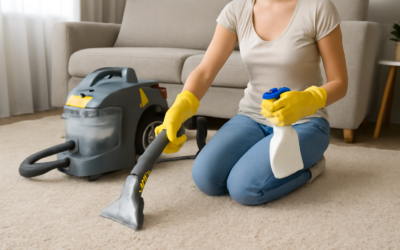
Application is simple, but technique affects results. For a typical powder, follow this routine:
- Vacuum thoroughly first to remove surface dirt and debris.
- Sprinkle the powder evenly across the carpet, focusing on high-traffic and odor-prone areas.
- Let it sit for the time on the label, often 15 to 30 minutes, so it can absorb odors.
- For stubborn smells, gently work the powder into the pile with a soft brush.
- Vacuum slowly and completely, making several passes to lift all the powder.
Vacuuming thoroughly at the end is essential. Leftover powder can build up over time, dull the carpet, and clog your vacuum filter, so take your time on that final step.
Safety Around Pets and Children
Because pets and small children spend time on the floor, safety matters more than convenience. Many fragranced powders can irritate sensitive respiratory systems, and some ingredients are not meant to be ingested. Keep these precautions in mind:
- Keep pets and kids off the carpet while the product sits and until you have vacuumed completely.
- Choose products labeled pet-safe or fragrance-free if you have sensitive household members.
- Ventilate the room during and after application.
- Avoid heavy, repeated use, which can leave residue that pets may lick from their paws.
- Read the label and follow the manufacturer’s instructions for any warnings.
When in doubt, test a small hidden area first and watch for any reaction before treating the whole room.
DIY Carpet Deodorant Recipes
You can make an effective deodorizer with pantry staples, which is handy when you want to control the ingredients. The classic base is plain baking soda, a natural odor absorber. For a scented version, mix a cup of baking soda with a few drops of essential oil, breaking up any clumps, then sprinkle, wait 20 minutes, and vacuum.
For tougher odors, a light mist of equal parts white vinegar and water can neutralize smells, though you should spot-test first and let the area dry fully. Keep essential oils to a minimum if you have pets, since some oils are not pet-friendly. DIY options save money and reduce synthetic fragrance, but enzyme cleaners still outperform homemade mixes on deep pet odors.
Tackling Stubborn Odors
Sometimes surface treatment is not enough. Pet accidents, water damage, and old spills can soak into the padding and subfloor, where powders never reach. In those cases, an enzyme cleaner applied generously enough to penetrate the affected layer works far better than repeated surface dustings.
Persistent smells after thorough treatment may signal that moisture has reached the pad or that mold is present. When odors keep returning despite your best efforts, a professional carpet cleaning with hot-water extraction, or in severe cases pad replacement, may be the only lasting fix. Addressing the source beats masking it every time.
Common Odors and How to Treat Them
Different smells call for different approaches, and matching the treatment to the odor saves time. Pet urine is protein-based, so enzyme cleaners that digest the residue work far better than fragranced powders, which only mask it. Smoke odor clings to fibers and often requires repeated treatment plus thorough ventilation, since it settles deep into the pile and padding.
Musty, damp smells usually signal trapped moisture, so the fix is drying the area completely before deodorizing, otherwise the odor returns. Food and cooking smells respond well to baking soda treatments, while general staleness from low air circulation improves with regular airing and light deodorizing. Identifying the source first prevents you from wasting product on a problem that needs a different solution.
Choosing the Right Product
With so many options on the shelf, a few criteria help you choose wisely. Check the label for whether the product neutralizes odors or merely adds fragrance, since neutralizers deliver longer-lasting results. If anyone in your home has allergies or sensitivities, fragrance-free or hypoallergenic formulas reduce the risk of irritation.
Consider compatibility with your carpet type and color, testing any new product on a hidden patch first. For pet households, look for enzyme-based options specifically. Reading reviews and ingredient lists, rather than relying on scent claims alone, helps you avoid products that smell pleasant in the bottle but do little for deep-seated odors.
Keeping Carpets Fresh Long-Term
Regular maintenance reduces how often you need a heavy deodorizing session. Vacuum at least weekly, clean spills immediately before they set, and use entry mats to cut down on tracked-in dirt and moisture. Periodic deep cleaning, whether DIY or professional, keeps odors from building up in the first place.
Used as part of that routine, a quality carpet deodorant keeps your floors smelling clean between deep cleanings. Match the product to your needs, respect the safety steps, and remember that real, lasting freshness comes from removing odor sources rather than simply covering them up.