Carpet outsells every other flooring type in American bedrooms by a 3-to-1 margin, yet most homeowners pick it the same way they pick cereal — by the box on the endcap. That approach leads to mats flattening, seams showing, and stains setting within the first year. Choosing carpet home installation well is really about matching fiber and construction to how each room actually gets used. Below is a practical framework for making that match.
Why Carpet Still Belongs in the House
Hard surfaces dominate design media, but carpet keeps dominating sales where comfort and sound matter. A bedroom with carpet measures about 9 decibels quieter than the same room in laminate. Infants crawling on carpet over pad land softer than on a rug thrown across tile. Allergists will argue either side, but modern low-pile synthetic carpet with HEPA vacuuming actually traps dander rather than letting it recirculate.
For most homeowners, the real question is not carpet versus hardwood. It is where carpet earns its place and where it hurts you.
Fiber Types Explained Plainly
Four fibers dominate the residential market. Here is how they really compare:
- Nylon — most durable, best resilience, good stain resistance with treatments like Stainmaster or Scotchgard. $3 to $8 per sq ft installed. Best for stairs and hallways.
- Polyester (PET) — inherently stain resistant, softer hand, but crushes faster. $2 to $5 per sq ft installed. Good for low-traffic bedrooms.
- Polypropylene (olefin) — cheapest, bleach-cleanable, used in basement and indoor-outdoor carpet. $1.50 to $3 per sq ft.
- Wool — premium, naturally flame-resistant, holds up 20-plus years but costs $8 to $20 per sq ft installed.
The carpet home decision usually boils down to nylon for the whole house or nylon on the stairs and polyester elsewhere. Polypropylene only makes sense below grade.
Pile Style Matters More Than You Think
Pile refers to how the yarn is cut or looped. It changes durability more than fiber choice in many cases:
- Textured plush (trackless) — hides footprints, most popular in bedrooms and family rooms.
- Frieze (shag) — twisted yarns bounce back from traffic, great for busy households.
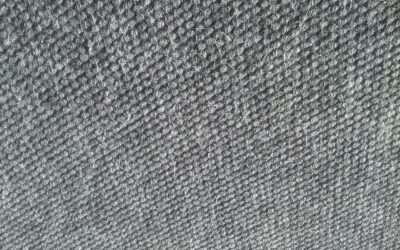
- Loop (berber) — tough and durable but pulls if a pet claws it.
- Cut-and-loop pattern — adds texture, hides stains visually.
- Saxony — formal, shows every vacuum line. Reserve for rooms you rarely enter.
On stairs, pick a low-pile loop or cut-and-loop. Deep plush on stair treads bends over the nose and wears through the tuft within two years.
What You Should Pay Per Room
Rough installed pricing in 2026 for a mid-tier nylon with 8-pound pad in an average US market:
- Bedroom (120 sq ft) — $500 to $950.
- Full staircase (13 steps) — $650 to $1,400 depending on capped or waterfall install.
- Family room (250 sq ft) — $950 to $1,900.
- Whole upstairs (900 sq ft) — $3,200 to $6,800.
Retailers like Empire Today and 50 Floor quote “free installation” but roll labor into the per-yard price. Independent local installers almost always beat the big names by 15 to 25 percent on identical product.
Pad Is Half the Floor
Cheap pad is the fastest way to kill good carpet. Specify 6 to 8 pound density rebond pad at least 3/8 inch thick for residential use. For stairs, step up to an 8-pound memory-foam or contract-grade pad — it keeps the carpet from crushing at the nose.
On concrete basement slabs, insist on moisture-barrier pad. Products like Healthier Choice or Carpenter Visqueen-backed pad block vapor migration that would otherwise mildew the carpet backing. Expect to pay $0.45 to $0.85 per sq ft for pad, not the $0.25 builder-grade stuff most retailers push.
Stain Strategy Before You Even Install
Polyester fiber is inherently stain-resistant because the dye bonds chemically rather than sitting in an absorbent site. Solution-dyed nylon (Mohawk SmartStrand Forever Clean, Shaw LifeGuard) takes stain resistance further by integrating color into the polymer. Both let you clean red wine, pet accidents, and coffee with water and a drop of dish soap.
Skip aftermarket stain treatments sprayed at installation. They wear off with vacuuming and add $0.30 to $0.50 per sq ft you do not need to spend. Instead, pay for a better base fiber up front.
Where Carpet Works and Where It Does Not
Good rooms for carpet: bedrooms, home offices, media rooms, playrooms, finished basements, and staircases. Poor rooms for carpet: kitchens, entryways, dining rooms under the table, bathrooms, and laundry rooms. Any space with regular water exposure or heavy chair rolling will punish even the best carpet.
Pet households should consider solution-dyed nylon with a waterproof backing like SmartStrand Silk or Shaw LifeGuard. These backings block urine from reaching the pad, which is the real source of lingering pet odor.
Maintenance That Actually Extends Life
Vacuum twice a week in high-traffic areas with a beater-bar vacuum set to the correct height. Too low and you fuzz the fiber; too high and you leave grit in the base. Professional hot-water extraction once every 12 to 18 months removes embedded soil the vacuum cannot reach. Expect to pay $50 to $85 per room for a reputable truck-mounted service.
Rotate furniture every spring so traffic patterns redistribute across the fiber. Blot spills immediately — never rub — and reach for clean white cloth and cold water before any store-bought spot cleaner. That five-second response saves more carpets than any chemical.
The Bottom Line
A well-chosen carpet home installation gives you 10 to 15 years of comfort, warmth, and sound dampening for less than half the installed cost of hardwood. Match the fiber to the traffic, pay for quality pad, and you will forget you even made the decision until it is time to upgrade.