Synthetic carpet covers the vast majority of floors in American homes, and for good reason. Made from man-made fibers rather than wool or other natural materials, it delivers strong stain resistance, everyday durability, and a price that fits most budgets. If you are shopping for new flooring, understanding how synthetic fibers differ will help you spend wisely.
The term synthetic carpet actually covers several distinct fiber types, each with its own strengths and trade-offs. Nylon, polyester, and olefin behave very differently underfoot and over time. This guide breaks down the options, the performance you can expect, realistic costs, and the care habits that keep your carpet looking new for years.
- What Counts as Synthetic Carpet
- Nylon: The Durable Workhorse
- Polyester: Plush, Colorful, and Affordable
- Olefin and Triexta: The Specialists
- Carpet Construction and Padding
- What Synthetic Carpet Costs
- Cleaning and Caring for Synthetic Carpet
- Synthetic Versus Natural Carpet
- Understanding Carpet Warranties
- Choosing the Right Fiber for Each Room
What Counts as Synthetic Carpet
Synthetic carpet is woven or tufted from petroleum-based fibers manufactured in a factory. That contrasts with natural carpet made from wool, sisal, jute, or cotton. Because the fibers are engineered, manufacturers can tune them for traits like color retention, springiness, and resistance to spills.
Roughly nine out of ten residential carpets sold use synthetic fiber. The popularity comes down to value: you get a soft, attractive, hard-wearing floor for a fraction of what comparable wool would cost. The catch is that not all synthetics perform alike, so the fiber on the label matters more than the marketing.
Nylon: The Durable Workhorse
Nylon is the most resilient synthetic fiber and a favorite for high-traffic areas like stairs, hallways, and family rooms. It springs back well after furniture and foot traffic compress it, which means it resists the matted, crushed look that ages a carpet prematurely.
The trade-off is cost and stain behavior. Nylon typically sits at the higher end of the synthetic price range, and the fiber itself is not naturally stain resistant. Manufacturers apply stain-protection treatments to address this, so look for a carpet with a quality factory treatment if you have kids or pets. With proper care, a good nylon carpet can last 12 to 15 years or more.
Polyester: Plush, Colorful, and Affordable
Polyester, often labeled PET, has become extremely popular for its rich colors and soft feel. The fiber is inherently stain and fade resistant because spills tend to sit on the surface rather than soak in, which makes it a smart pick for bedrooms and living rooms where comfort matters more than heavy traffic.
Where polyester falls short is resilience. It does not bounce back from compression as well as nylon, so in busy areas it can flatten and show traffic lanes sooner. Many modern polyester carpets, including those made from recycled plastic bottles, have improved durability, but it remains a better fit for moderate-use rooms than for the busiest paths in your home.
Olefin and Triexta: The Specialists
Olefin, also called polypropylene, is highly resistant to moisture, mildew, and fading, which makes it common in basements, patios, and indoor-outdoor and looped Berber styles. It is inexpensive and handles bleach-based cleaning, but it is prone to crushing and can attract oily soils, so it is rarely chosen for plush, high-traffic living spaces.
Triexta is a newer fiber, partly derived from corn-based materials, that blends polyester’s softness and stain resistance with durability closer to nylon. It performs well in active households and often carries strong stain warranties. Expect to pay a bit more than basic polyester for it.
Carpet Construction and Padding
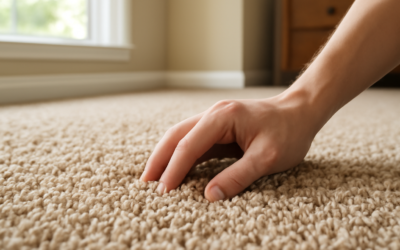
Fiber is only half the story. How the carpet is built affects how it looks and lasts. Cut-pile styles like plush and frieze feel soft and hide footprints, while loop styles like Berber resist crushing and wear. Density, measured by how tightly the fibers are packed, is a reliable predictor of durability; press your fingers into the pile, and a denser carpet feels firmer.
Never skimp on padding. A quality pad cushions the carpet, absorbs impact, and dramatically extends its life. Most residential carpet performs best over a pad around 7/16 inch thick with a density rated for your traffic level. The wrong pad can void warranties and let a good carpet wear out years early.
What Synthetic Carpet Costs
Prices shift with quality and region, so treat these as estimates. Carpet is usually sold by the square foot or square yard, and you should budget for both material and installation.
- Basic olefin or builder-grade polyester: roughly $1 to $3 per square foot for materials.
- Mid-range polyester and nylon: roughly $3 to $6 per square foot.
- Premium nylon and triexta: roughly $5 to $10 per square foot or more.
- Installation and padding: often $1 to $3 per square foot on top of materials.
Cleaning and Caring for Synthetic Carpet
Routine care keeps any synthetic carpet looking its best. Vacuum high-traffic areas at least twice a week to lift grit before it grinds down the fibers. Blot spills immediately with a clean cloth rather than rubbing, which can spread the stain and fray the pile. Work from the outside of a spill toward the center.
Test any cleaning product on a hidden spot first, and never mix cleaning chemicals together. Follow the manufacturer’s recommendations, and have the carpet professionally hot-water extracted every 12 to 18 months. Many warranties actually require periodic professional cleaning, so keep your receipts in case you ever need to make a claim.
Synthetic Versus Natural Carpet
It helps to know what you give up and gain by choosing synthetic over wool. Wool is luxurious, naturally flame resistant, and exceptionally durable, but it costs two to four times as much as quality synthetics and can be sensitive to certain stains and harsh cleaners. For most families, the value and stain performance of synthetic fiber outweigh the premium feel of wool.
Synthetic carpet also offers a far wider range of colors and styles at every price point, since the fibers are engineered and dyed in the factory. If you want a specific shade or a trendy texture without a luxury budget, synthetic is almost always the practical answer.
Understanding Carpet Warranties
Manufacturers back synthetic carpet with several types of warranty, and reading them carefully tells you a lot about quality. You may see separate coverage for wear, texture retention, stain resistance, and fade resistance, each with its own time frame. Longer warranties on higher-grade carpets generally reflect more durable construction.
Pay attention to the conditions, though. Most warranties require professional installation, regular vacuuming, and periodic professional cleaning, and they exclude certain stains and damage. Keep your purchase and cleaning records so a claim is not denied on a technicality years down the road.
Choosing the Right Fiber for Each Room
Match the fiber to how the room is used. Put nylon or triexta where traffic is heaviest, choose polyester for cozy bedrooms and formal rooms, and reserve olefin for basements and moisture-prone spaces. By aligning fiber, construction, and padding with your real-life needs, you will get a synthetic carpet that looks good, feels comfortable, and earns its keep for many years.