Finding small holes in a rug, shed skins along the baseboard, or tiny beetles crawling near a window often points to one culprit: carpet insects. These pests feed on the natural fibers in carpet, wool, silk, and even pet hair and lint, quietly chewing away at flooring, clothing, and upholstery. Left alone, a small population can spread through a home and cause real damage. The good news is that with accurate identification and a methodical cleaning and treatment plan, you can eliminate them and keep them from coming back. This guide covers what to look for and exactly how to respond.
- What Are Carpet Insects?
- How to Identify Carpet Insects
- The Damage Carpet Insects Cause
- How to Get Rid of Carpet Insects
- Preventing Carpet Insects From Returning
- When to Call a Professional
- Common Mistakes to Avoid
- Where Carpet Insects Hide in Your Home
- Natural and Chemical Treatment Options Compared
- Final Thoughts on Carpet Insects
What Are Carpet Insects?
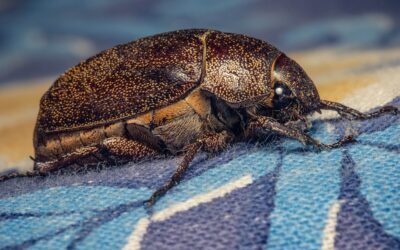
The phrase carpet insects usually refers to a handful of fabric-eating pests, chiefly carpet beetles and clothes moths. Carpet beetles are the most common. The adults are small, rounded beetles about an eighth of an inch long, often mottled black, brown, and white or a solid dark color. It is not the adults that do the damage, though, but their larvae: fuzzy, bristly, worm-like creatures that feed on keratin, the protein in wool, fur, feathers, silk, and animal-based fibers. Clothes moths are the other major group, with larvae that spin silky webbing as they eat.
Both thrive in undisturbed places such as closets, under furniture, along baseboards, and inside air ducts, where they find a steady supply of shed skin, hair, and fiber to eat.
How to Identify Carpet Insects
Correctly identifying the pest guides your response. Watch for these signs:
- Adult beetles: Tiny oval beetles crawling on windowsills, walls, or near light, since adults are attracted to windows as they try to get outside to feed on pollen.
- Larvae: Small, tan or brown, carrot-shaped larvae with visible bristles or hairs, found in carpet fibers, closets, and dark corners.
- Shed skins: Translucent, bristly cast skins the larvae leave behind as they grow, often mistaken for live bugs.
- Damage patterns: Irregular holes, thinning patches, or bare spots in carpet and wool items, frequently in low-traffic areas.
- Moth signs: Silky webbing, tiny cocoons, or small buff-colored moths fluttering near fabrics point to clothes moths rather than beetles.
Fecal pellets the size of a grain of sand near damaged fibers are another telltale clue that larvae are actively feeding.
The Damage Carpet Insects Cause
Carpet insect larvae target anything containing animal protein. Wool carpets and rugs are prime targets, but so are silk, felt, feather pillows, fur trim, leather, and blended fabrics. They tend to feed in hidden, undisturbed spots, which is why damage often appears under furniture, along carpet edges, or deep in a closet before you notice it in the open. Synthetic carpets are largely safe from the fibers themselves, but larvae will still feed on the food debris, pet hair, and dead skin trapped in the pile, so no home is entirely immune. Beyond flooring, they attack stored clothing and heirloom textiles, sometimes causing costly, irreversible loss.
How to Get Rid of Carpet Insects
Eliminating an infestation takes a combination of cleaning, treatment, and follow-up. Work through these steps:
- Vacuum thoroughly and often. Vacuum carpets, rugs, upholstery, baseboards, closet floors, and under furniture. Vacuuming removes larvae, eggs, skins, and the debris they feed on. Empty the canister or bag outside immediately.
- Wash or freeze fabrics. Launder affected clothing and washable textiles in hot water, or seal delicate items in bags and freeze them for several days to kill all life stages.
- Steam clean carpets. The heat of steam cleaning kills larvae and eggs that vacuuming misses deep in the pile.
- Treat problem areas. Apply an insecticide labeled for carpet beetles or clothes moths to cracks, edges, and hidden zones, following the label exactly.
- Use natural options if preferred. Diatomaceous earth sprinkled along baseboards and left before vacuuming dehydrates larvae. Boric acid works similarly.
- Deploy pheromone traps. Sticky traps help monitor and reduce adult clothes moths and confirm whether your efforts are working.
Preventing Carpet Insects From Returning
Once you have knocked back an infestation, prevention keeps the carpet insects from establishing again. Regular vacuuming remains your single best defense because it removes the food supply they depend on. Store woolens and off-season clothing in sealed bins or garment bags rather than open shelves. Clean under heavy furniture and inside closets periodically, since these undisturbed zones are exactly where larvae hide. Cedar blocks and lavender sachets offer modest repellent benefits for stored items. Because adult beetles fly in from outside, keep window screens intact and check cut flowers and plants before bringing them indoors, as adults ride in on blooms.
When to Call a Professional
Many infestations respond to diligent home treatment, but some situations warrant a pest control professional. If damage keeps appearing despite weeks of cleaning, if the infestation has spread through multiple rooms, or if valuable wool rugs, antiques, or heirloom textiles are at risk, an exterminator can apply targeted treatments and locate hidden breeding sources such as bird or rodent nests in attics and wall voids, which are common reservoirs. Professionals can also treat air ducts and structural gaps that homeowners cannot easily reach, breaking the cycle at its source.
Common Mistakes to Avoid
People often lose the battle with carpet insects by treating only the visible bugs. Killing the adults on the windowsill does nothing about the larvae eating your rug in the closet. Another error is spot-treating one room while ignoring the rest of the house, allowing survivors to repopulate. Skipping the vacuuming step and relying solely on sprays leaves the food source in place, so the population rebounds. Finally, storing clean and dirty clothing together undermines your efforts, since larvae are especially drawn to fabrics stained with sweat, food, or body oils. Thorough, whole-home consistency wins.
Where Carpet Insects Hide in Your Home
Winning the battle means knowing where these pests take shelter, because they rarely stay out in the open. Larvae seek dark, undisturbed, protein-rich environments, which puts several zones at the top of your inspection list. Check the edges of carpet along baseboards, under and behind heavy furniture that never moves, and inside closets on the floor and among stored clothing. Look in air ducts and vents, where lint and pet hair collect, and behind or beneath large appliances. Attics and wall voids that contain old bird or rodent nests are notorious breeding grounds, supplying feathers and hair that feed generations of larvae. Upholstered furniture, stored blankets, and the felt inside pianos are less obvious but common hideouts. Because the adults fly toward light, windowsills reveal an active population even when the larvae stay hidden. A thorough inspection of these spots often uncovers the source that keeps a stubborn infestation alive.
Natural and Chemical Treatment Options Compared
Homeowners generally choose between natural methods and conventional insecticides, and each has a place. Natural approaches include relentless vacuuming, hot laundering, freezing delicate items, steam cleaning, and applying food-grade diatomaceous earth or boric acid along hidden edges. These are safe around children and pets and work well for light infestations caught early. Chemical options, such as residual insecticide sprays labeled for carpet beetles or clothes moths, deliver stronger knockdown for heavier infestations and treat cracks and crevices that cleaning alone cannot reach. Many people combine the two: deep cleaning to remove the food source and eggs, followed by targeted insecticide in problem zones, plus pheromone traps to monitor progress. Whichever route you take, consistency over several weeks is what breaks the life cycle, since eggs and larvae hatch on a staggered schedule and a single treatment rarely gets them all.
Final Thoughts on Carpet Insects
Dealing with carpet insects comes down to three things: identify the pest accurately, remove their food and hiding spots through relentless cleaning, and treat the affected zones before sealing off future entry points. Carpet beetles and clothes moths are persistent, but they are not unbeatable. Vacuum often, protect stored woolens, steam clean where damage appears, and act quickly at the first sign of holes or shed skins. With a steady, whole-home approach you can clear an infestation and protect your carpets, clothing, and treasured textiles for the long run.