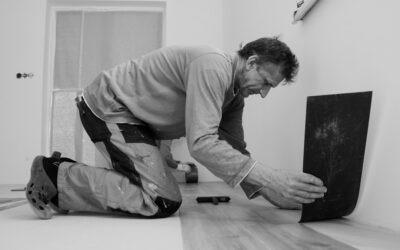
Planning carpet installation in Chicago, IL? Carpet earns its keep here during long winters, when a warm, soft floor beats cold hardwood or tile underfoot. It also quiets apartments and condos where neighbors live above and below. Local installers handle plush new carpet for bedrooms, durable berber for hallways and stairs, and carpet tiles for basements and home offices.
Our network connects homeowners across the Greater Chicago area with vetted carpet installers. Request free quotes from several contractors and compare them before you commit.
- Our Carpet Installation Services in Chicago
- Carpet and Sound in Chicago Buildings
- Walk-Ups, Narrow Stairs, and Getting Carpet Inside
- Winter, Heat, and Static
- Basements and Garden Units
- Salt, Slush, and Stains
- Covering Old Floors in Vintage Homes
- Cost and Scheduling in Chicago
- How It Works
- Helpful Flooring Guides
- Frequently Asked Questions
- How much does carpet installation cost in Chicago?
- How long does carpet installation take?
- Do I need to be home during installation?
- Are your Chicago flooring contractors licensed?
- Do you offer free estimates in Chicago?
- Is carpet a good idea in a Chicago basement?
- Can installers get carpet up my narrow walk-up stairs?
- What pad works best for sound control in a condo?
Our Carpet Installation Services in Chicago
- Wall-to-wall carpet installation
- Carpet tile installation
- Stair carpet and runners
- Carpet padding replacement
- Old carpet removal and disposal
- Commercial carpet installation
- Carpet stretching and repair
- Pet-resistant carpet options
Carpet and Sound in Chicago Buildings
Noise between units is one of the most common complaints in Chicago condos, two-flats, and courtyard buildings. Carpet over a dense pad absorbs footfall noise better than almost any hard floor. Many condo associations have rules about floor coverings in upper units, such as requiring carpet, area rugs, or approved underlayment in certain rooms. If you live in a condo, ask your management company for the flooring rules before you shop.
In multi-unit buildings, carpet installers also need to plan for elevator reservations, loading dock times, and protecting common hallways. These steps take time and can affect the quote.
Walk-Ups, Narrow Stairs, and Getting Carpet Inside
A roll of broadloom carpet is long and heavy, and many Chicago walk-ups have tight, turning stairwells. Installers sometimes need to cut carpet into smaller pieces outside the unit, which affects where seams fall. Ask how they plan to bring the carpet in and where the seams will land, especially in long hallways and living rooms.
Interior staircases in single-family homes and duplex-down units take heavy wear. Wrapped stairs, waterfall stairs, and runners over wood treads each have a different look and cost. A runner can show off original woodwork in a vintage home while still adding traction and comfort.
Winter, Heat, and Static
Chicago’s cold, snowy winters bring dry indoor air once the heat is on. Low humidity can make static shocks more common on synthetic carpet. Running a humidifier during the heating season helps, as do carpets with built-in anti-static properties.
Carpet also adds a measure of warmth. Rooms over unheated garages, enclosed porches, and garden units feel noticeably warmer with carpet and a thick pad.
Basements and Garden Units
Basements in Chicago homes can take on moisture during spring thaws and heavy summer storms. Before carpeting a lower level:
- Fix grading, downspouts, and cracks that let water in.
- Have the slab tested for moisture.
- Choose synthetic fiber and a moisture-resistant pad, or use carpet tiles that can be lifted and replaced if a section gets wet.
- Run a dehumidifier in summer.
Older basement floors may have resilient tile or black adhesive from the mid-twentieth century. These can contain asbestos and should be tested before anyone removes them. Covering them in place is often the simpler option.
Salt, Slush, and Stains
Winter brings road salt, slush, and gray grime that can stain light carpet near entry doors. Keep carpet out of the first few feet inside the door, use a hard-surface landing area or mat, and choose stain-resistant fibers in medium colors. Salt residue can usually be removed with warm water and a gentle cleaner, but frequent exposure shortens carpet life. Dog owners should also read our best carpet for pets guide, since winter paws carry in de-icers.
Covering Old Floors in Vintage Homes
Many Chicago bungalows and flats have original oak under decades-old carpet. Before laying new carpet, consider whether the wood is worth exposing instead. If you do carpet over it, ask the installer to use the narrowest practical tack strip and fewer fasteners at the edges to limit damage, so a future owner can still refinish the oak. In homes built before 1978, avoid sanding or scraping painted baseboards during the job, since older paint may contain lead.
Cost and Scheduling in Chicago
Carpet prices depend on the carpet and pad, the square footage, stairs, and access. Walk-up deliveries, condo building requirements, parking, and old carpet removal all add to labor. Spring and early fall are popular times for carpet work, and booking ahead is smart if you are on a move-in deadline. See our carpet cost guide for typical ranges.
Ask each installer to spell out the pad, removal, disposal, stairs, and furniture moving so you can compare quotes on equal terms.
How It Works
- Request a free quote: Tell us about your project, room size, and carpet preferences.
- Get matched with local pros: We connect you with up to 3 licensed carpet installation contractors in the Greater Chicago area.
- Compare and choose: Review quotes, credentials, and reviews. Pick the installer that fits your budget and timeline.
Helpful Flooring Guides
Learn more about carpet types, pricing, and the installation process:
Frequently Asked Questions
How much does carpet installation cost in Chicago?
It depends on the carpet, pad, room sizes, and access. Basic polyester with standard pad is the lowest-cost option, while nylon or wool with a premium pad costs more. Stairs, walk-ups, and condo requirements add labor. Free local quotes give you exact pricing.
How long does carpet installation take?
Most homes and apartments are done in 1 to 2 days. Condo buildings with limited work hours or homes with several staircases can take longer. Your installer will confirm the schedule at the estimate.
Do I need to be home during installation?
Be there at the start to confirm rooms and seams, and at the end for a walkthrough. In condo buildings, you may need to arrange access with the front desk or management.
Are your Chicago flooring contractors licensed?
Yes. Professionals in our Chicago, IL network are licensed, insured, and background-checked. We verify credentials before connecting them with homeowners.
Do you offer free estimates in Chicago?
Yes. Quotes from our Chicago carpet installers are free with no obligation, and most will measure your home in person at no cost.
Is carpet a good idea in a Chicago basement?
It can be, as long as the basement stays dry. Fix water entry first, test the slab, and use synthetic carpet with a moisture-resistant pad or carpet tiles that can be replaced in sections.
Can installers get carpet up my narrow walk-up stairs?
Usually, yes. Installers can cut carpet to manageable sizes before carrying it up. Ask how that affects seam placement so the seams land in low-traffic spots.
What pad works best for sound control in a condo?
A dense pad, such as higher-density rebond or a rubber-backed product, cuts footfall noise better than a thick, soft foam pad. If your association lists approved pads or sound ratings, give that list to your installer.