
Trying to cut carpet with a household utility knife usually ends in a ragged edge, a struggle, and a sore hand. A purpose-built carpet knife changes that completely, slicing through dense pile and backing with clean, controlled strokes. Whether you are installing a new room of carpet, trimming a remnant for a closet, or fitting a runner on stairs, the right knife and a sharp blade make the job faster, safer, and far more accurate. This guide covers the main types of carpet knives, blade choices, and how to use one without hurting yourself or your carpet.
What Sets a Carpet Knife Apart
Carpet is thick, fibrous, and backed with stiff material that dulls ordinary blades quickly. A carpet knife is designed for that resistance, with a robust handle for grip and force, and a blade shape optimized for slicing through pile and backing in one pass. Many models hold heavy-duty or hook blades and let you swap them quickly, since cutting carpet eats edges fast. The combination of a comfortable handle and a fresh, sharp blade is what produces clean cuts instead of torn fibers.
Main Types of Carpet Knives
Utility Carpet Knife
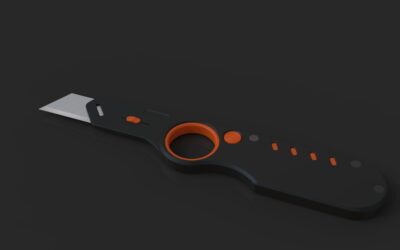
The most common type, resembling a heavy-duty box cutter with a retractable or fixed straight blade. It is versatile for general cutting, trimming, and scoring carpet backing. A retractable model is safer for storage and transport.
Hook Blade Knife
Fitted with a curved hook blade, this style is ideal for cutting carpet from the back. The hook catches the backing and pulls the blade through without snagging the face fibers, giving cleaner cuts on the visible side.
Row Running or Loop Cutter
A specialty tool for separating loop-pile carpet along a row, used by installers for precise seams. It splits between rows so the seam falls cleanly between tufts.
Carpet Trimmer or Wall Trimmer
A bulkier tool that runs along walls to trim carpet flush at the edges during installation, giving a neat finish where carpet meets the baseboard.
Choosing the Right Blade
Blades matter as much as the handle.
- Straight blades: Best for cutting from the face side and for general trimming.
- Hook blades: Best for cutting from the backing, protecting face fibers and reducing snags.
- Heavy-duty blades: Thicker stock holds an edge longer in dense carpet.
Always keep spare blades on hand. A dull blade is both less accurate and more dangerous, because it requires extra force that can cause slips. Swap to a fresh edge the moment cuts start to drag or tear.
How to Cut Carpet Cleanly
- Measure and mark. Mark your cut line on the backing with chalk or a marker, and add a little extra for trimming to fit.
- Cut from the back when possible. Flipping the carpet over and cutting the backing with a hook blade gives the cleanest face edge.
- Use a straightedge. Guide the blade along a metal straightedge or carpet for long, straight cuts.
- Score then cut. For thick carpet, make a light scoring pass first, then a second pass to cut through fully.
- Protect the floor. Place a scrap board or cutting mat under the carpet so the blade does not gouge your subfloor or finished floor.
- Trim to fit. Make the final flush cuts along walls with a wall trimmer or careful knife strokes.
Safety First
A carpet knife is sharp by design, and the dense material it cuts can cause the blade to lurch if you force it. Follow basic blade safety to avoid injury.
- Cut away from your body and keep your free hand clear of the blade path.
- Use a sharp blade. Dull blades slip; sharp blades cut where you intend.
- Retract or sheath the blade whenever you set the knife down.
- Wear cut-resistant gloves for large jobs and protect your knees with pads.
- Keep firm footing and never overreach while making a cut.
- Store blades and the knife away from children.
Cutting Different Carpet Types
Carpet construction affects how you cut. Cut-pile carpet, where the loops are sheared, cuts cleanly from the back with a hook blade and is the most forgiving. Loop-pile and Berber carpet require more care, because cutting across the loops can leave a frayed, visible edge; cutting from the back along a row, or using a loop cutter to split between rows, gives the cleanest seam. Thick, dense plush and shag carpets need a sharp heavy-duty blade and sometimes a scoring pass first. For commercial carpet tiles, a straightedge and a fresh straight blade make quick, accurate cuts. Always test your approach on a scrap before cutting the main piece.
Other Uses Around the Home
A carpet knife is not only for installing carpet. Its sturdy build and replaceable blades make it handy for cutting carpet padding, trimming vinyl and linoleum, slicing through thick cardboard and packaging, opening bags of mortar or mulch, and scoring drywall. Because the blade takes a beating, keep a clear divide between blades you use on flooring and any you have used on dirty or abrasive material, since grit dulls an edge fast. Many DIYers keep one knife loaded with a hook blade for backing cuts and another with a straight blade for general trimming.
Caring for Your Carpet Knife
Keep the tool clean and dry to prevent rust, and check that the blade-locking mechanism holds firmly so the edge cannot shift mid-cut. Replace blades rather than trying to resharpen disposable ones, and store spares in their original packaging or a blade dispenser to avoid accidental cuts when you reach into a toolbox.
Final Thoughts
A carpet knife is an inexpensive tool that pays for itself the first time you cut carpet without shredding the edge. Match the blade to the job, cutting from the backing with a hook blade for the cleanest face, always work with a fresh edge, and keep your hands and body clear of the cut path. With the right knife and a little technique, even a DIY carpet project comes out looking like a professional handled it.