Whether you are installing wall-to-wall carpet, trimming a remnant, or patching a worn spot, carpet knives are the tools that make clean, accurate cuts possible. These specialized cutting tools are built to slice through dense carpet fibers and backing that would quickly dull or jam an ordinary blade. Choosing the right knife and using it safely makes the difference between crisp seams and a frustrating, ragged job.
This guide covers the main types of carpet knives, how to choose one, the safe cutting techniques every user should follow, and how to maintain your blades for the best results.
Types of Carpet Knives
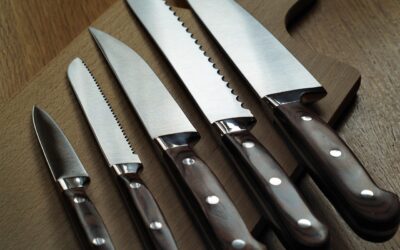
There are several distinct carpet knives, each suited to particular tasks in installation and repair. Knowing what each does helps you pick the right one.
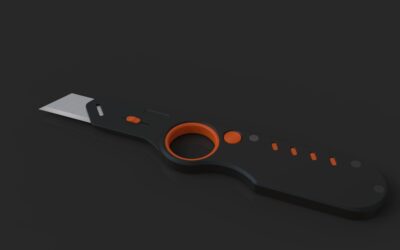
- Utility knife: The everyday workhorse, with a retractable or snap-off blade, good for general trimming and cutting from the backing side.
- Carpet trimmer (loop-pile cutter): Designed to trim carpet along walls and edges for a clean, tight fit.
- Row-running knife: Has a narrow, hooked tip that cuts between rows of loop pile to follow a straight line precisely.
- Slotted or napping knife: Used to cut and shape carpet for seaming and pattern matching.
- Cushion-back cutter: Built for cutting through attached-cushion or thicker carpet backing.
Most homeowners can handle the majority of jobs with a quality utility knife and an edge trimmer, while full installations may call for the more specialized blades.
Choosing the Right Knife
Selecting a carpet knife comes down to the job, your comfort, and blade quality. For occasional repairs, a sturdy utility knife with a comfortable grip and easy blade changes covers most needs. For installation work, consider purpose-built trimmers and row cutters that produce cleaner edges with less effort.
Look for a solid, non-slip handle, since cutting carpet takes real force and a secure grip improves both control and safety. A blade-storage compartment in the handle is a handy feature. Above all, prioritize the ability to change blades quickly and easily, because a sharp blade is essential for clean cuts and safe operation.
Blade Considerations
The blade does the work, and the right one matters as much as the knife body. Carpet dulls blades fast, so most carpet cutting uses replaceable blades that you swap out the moment they stop slicing cleanly.
- Standard utility blades: Versatile and inexpensive, ideal for general cutting from the backing.
- Hook blades: The hooked shape grabs and cuts material in a pulling motion, excellent for thick carpet and avoiding scratches to the floor beneath.
- Snap-off blades: Let you snap off a dull segment to expose a fresh edge, convenient for long jobs.
Keep a supply of spare blades on hand. A dull blade forces you to push harder, which produces ragged cuts and dramatically increases the risk of slipping and injury.
Safe Cutting Techniques
Carpet knives are extremely sharp, and safety must come first. A careful technique protects both you and the quality of your cut.
- Always cut away from your body: Position yourself so a slip sends the blade away from you, never toward your hands or legs.
- Cut from the backing side when possible: Folding the carpet and cutting through the backing gives a straighter, cleaner line and better control.
- Use a straightedge: A metal straightedge or carpet ruler guides the blade for precise, accurate cuts.
- Keep hands clear: Hold the material well away from the cutting path.
- Wear protection: Cut-resistant gloves and knee pads make the work safer and more comfortable.
- Maintain control: Make steady, deliberate passes rather than forcing the blade in a single hard stroke.
Protect the surface beneath your work as well; cut over a scrap board or use a hook blade to avoid scoring the subfloor or damaging finished flooring.
Blade Care and Storage
Proper handling of blades keeps you safe between jobs and extends the life of your tools. Always retract the blade fully when the knife is not in use, and engage any safety lock the knife provides. Never set a knife down with the blade exposed where it could be grabbed accidentally.
Replace blades at the first sign of dulling rather than pushing a tired edge. Dispose of used blades safely by wrapping them or placing them in a designated sharps or blade-disposal container, never loose in the trash where they can cut someone. Store knives and spare blades out of reach of children, ideally in a closed toolbox or case.
Tips for Clean Results
A few habits separate professional-looking results from amateur ones. Measure carefully and mark your cut lines before you start, since carpet is unforgiving of mistakes. Always change to a fresh blade for visible seams and finish cuts, where cleanliness matters most. Let new carpet acclimate and lie flat before cutting so it does not shift or pull.
For seams, cut both edges along a straightedge so they butt together tightly, and work slowly. Patience and a sharp blade consistently beat speed and force when it comes to a clean, durable finish.
Other Tools That Work With Carpet Knives
A carpet knife rarely works alone, and pairing it with the right companion tools produces cleaner, faster results. A metal straightedge or carpet ruler guides your blade for dead-straight cuts, while a chalk line marks long runs accurately before you ever pick up the knife. Knee kickers and power stretchers position and tension the carpet so your cuts land where they should.
A carpet tucker or stair tool helps press trimmed edges neatly into place along walls and into gripper strips. A wall trimmer creates a consistent gap for tucking the carpet edge under the baseboard. For seams, a seam roller and seaming iron join pieces invisibly after you have made your cuts. Having these tools on hand alongside a sharp knife not only improves the finished look but also makes the work safer, since well-supported, properly tensioned carpet is easier to cut with control.
Final Thoughts
Carpet knives are essential for any carpet installation or repair, and matching the right knife and blade to the task delivers cleaner cuts with less effort. Because these tools are so sharp, safe technique is non-negotiable: cut away from your body, use a straightedge, keep blades fresh, and retract or store them carefully. With the right tools, a steady hand, and respect for the blade, you can achieve professional-quality results and stay safe doing it.