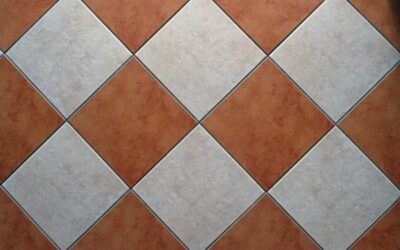
Carpeted floor tiles, also called carpet tiles or modular carpet, are square or rectangular pieces of carpet that you lay individually instead of installing one large rolled sheet. Originally a fixture in offices, they have become a popular DIY choice for basements, playrooms, home gyms, and home offices because they are easy to install, simple to replace, and forgiving of mistakes. If one tile gets stained or damaged, you swap just that piece rather than replacing the whole floor.
This guide covers how carpet tiles work, their pros and cons, typical costs, and how to install them for a clean, professional result.
What Are Carpet Tiles
Carpet tiles are modular squares, most commonly 18 by 18 inches or 24 by 24 inches, made of carpet fiber bonded to a stiff backing. The rigid backing keeps each tile flat and dimensionally stable, which is what makes them lie neatly without the stretching and tack strips that broadloom carpet requires. Many feature peel-and-stick adhesive, adhesive dots, or a friction backing that grips the subfloor.
Because each tile is self-contained, you can mix colors and patterns to create borders, checkerboards, or custom designs that would be impossible with rolled carpet.
Pros and Cons of Carpet Tiles
Carpet tiles offer real practical advantages, but they are not a perfect fit for every room.
Pros
- Easy DIY installation with no special stretching tools
- Damaged or stained tiles can be replaced individually
- Modular design allows custom patterns and layouts
- Good for basements and concrete subfloors
- Easy to transport in manageable boxes
Cons
- Visible seams between tiles, especially with solid colors
- Generally thinner and less plush than premium broadloom
- Edges can lift over time if not properly adhered
- Lower-end tiles may show wear at seams in high-traffic areas
What Carpet Tiles Cost
Carpet tiles span a wide price range based on quality and fiber. These are general material estimates, with installation often free if you DIY.
- Budget peel-and-stick tiles: roughly $1 to $3 per square foot
- Mid-grade residential tiles: roughly $3 to $6 per square foot
- Commercial-grade tiles: roughly $5 to $10 per square foot
A 200-square-foot basement playroom in mid-grade tiles might cost $600 to $1,200 in materials, and you can install it yourself over a weekend with minimal tools.
Where Carpet Tiles Work Best
Carpet tiles shine in spaces where flexibility and easy repair matter. Basements top the list because the tiles handle concrete well and individual replacement helps with occasional moisture issues. Home offices, playrooms, home gyms, and craft rooms are all excellent candidates. They also work well in rental units, where simple repair and replacement keep maintenance costs down.
They are less ideal for formal living rooms or master bedrooms, where a continuous, plush broadloom carpet usually looks and feels more luxurious.
How to Install Carpet Tiles
Installation is straightforward, but a little planning produces a much cleaner result. Follow these steps for a tight, even floor.
- Prepare the subfloor. Clean it thoroughly and make sure it is dry, flat, and free of debris.
- Find the center. Snap chalk lines to locate the room’s center and dry-lay tiles outward so cut tiles land evenly at the edges.
- Check the arrows. Most tiles have directional arrows on the back; lay them all the same way for a uniform look, or alternate them in a quarter-turn pattern to disguise seams.
- Adhere and press. Apply the adhesive or peel the backing, set each tile snug against its neighbors, and press firmly.
- Cut the borders. Trim edge tiles to fit with a sharp utility knife and a straightedge.
Maintenance and Longevity
Carpet tiles are easy to maintain. Vacuum regularly as you would any carpet, and blot spills promptly. The big advantage shows when a tile is ruined; you simply lift it and drop in a replacement, which is why buying a few extra tiles from the same lot is wise. Keep spares in a closet so future repairs match perfectly.
With quality tiles and proper installation, modular carpet can last many years and adapt to changing needs, making it a practical, budget-friendly flooring choice for the right rooms.
Choosing the Right Backing and Adhesion
The backing system is what separates a carpet tile floor that stays put from one that shifts and lifts. Peel-and-stick tiles have adhesive built into the back and bond permanently, which works well for spaces where you want maximum hold. Adhesive-dot systems use small connector squares between tiles, holding them together as a floating layer that is easy to lift later. Friction-backed tiles grip the subfloor through weight and texture without any glue, making them ideal for renters.
Match the backing to your situation. If you may want to remove the floor someday, choose a dot or friction system. If permanence is fine and you want the most secure installation, peel-and-stick or a full-spread adhesive is the way to go.
Design Ideas with Carpet Tiles
Because each tile is a separate piece, you can create looks that rolled carpet simply cannot match. A little planning turns a basic floor into a custom statement.
- Lay a single color in a quarter-turn pattern for subtle texture that hides seams
- Combine two complementary shades in a checkerboard for visual interest
- Add a contrasting border around the room’s perimeter to frame the space
- Use a bold accent color to define a play area or seating zone
- Mix patterned and solid tiles for a designer look at a budget price
The Bottom Line
Carpeted floor tiles combine the comfort of carpet with the convenience of modular installation and repair. They are an ideal DIY solution for basements, offices, and playrooms where flexibility, easy replacement, and a budget-friendly price matter most. Plan your layout, prep the subfloor, and keep a few spare tiles, and you will have a forgiving, attractive floor that is simple to live with.
When weighing carpet tiles against rolled broadloom, think about how the room is used and how likely you are to need repairs. For a formal living room you rarely abuse, broadloom may look more luxurious. But for a basement, kids’ playroom, or home office where spills, wear, and the occasional flood are real possibilities, the ability to swap a single damaged tile is a genuine advantage. Buy a quality product, install it on a clean and level subfloor, and keep spare tiles from the same lot, and modular carpet will deliver years of comfortable, low-stress service at a price that is hard to beat.