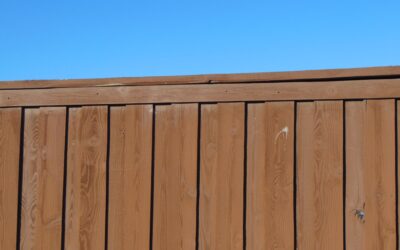
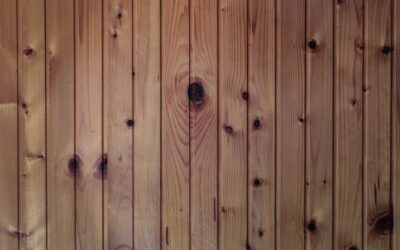
Untreated pine fencing starts rotting at the ground line in five to seven years, which is why so many homeowners rebuild fences they thought would last a lifetime. Cedar wood fence panels solve that problem at the source: cedar’s natural oils resist rot, decay, and insects without chemical treatment, and a well-built cedar fence routinely lasts 15 to 25 years. Add its warm color, straight grain, and dimensional stability, and cedar becomes the default choice for homeowners who want a wood fence that looks good and stays standing. This guide covers grades, costs, installation, and the maintenance that stretches a good fence into a great one.
Part of our Decks & Outdoor guide — explore the full guide →
Why Cedar Outperforms Cheaper Wood
Cedar contains natural preservative oils, thujaplicins and tropolones, that fungi and insects avoid. That built-in defense is why cedar resists the rot and termite damage that destroys untreated pine. It is also dimensionally stable, meaning it swings, cups, and warps far less than most softwoods as it goes through wet and dry cycles, so a cedar fence stays flat and true instead of twisting into a mess of splayed boards.
Cedar is lightweight relative to its strength, which makes panels easier to handle during installation, and it holds stain and finish beautifully. Western Red Cedar is the most common species for fencing, prized for its rich tone and length, while Northern White Cedar and Eastern Red Cedar show up regionally. All share the same core advantage over pine: durability that comes from the wood itself, not a chemical bath.
Understanding Cedar Grades
Not all cedar is equal, and grade drives both price and appearance.
- Clear or Architectural (A grade): Few to no knots, uniform color, the premium look. Expensive and usually reserved for high-visibility fences and finish work.
- Select Knotty (STK): Tight, sound knots and good color. The sweet spot for most residential fences, attractive and durable without the clear-grade price.
- Standard or #2: More and larger knots, some color variation. Perfectly serviceable for a rustic look or a budget project.
Also check whether boards are heartwood or sapwood. The darker heartwood carries most of cedar’s natural rot resistance, while the paler sapwood is less durable. For posts and any board near the ground, heartwood content matters, so it is worth asking your supplier.
What Cedar Fencing Costs
Cedar sits in the mid-to-upper range of wood fencing prices. Expect material costs of roughly $15 to $35 per linear foot for panels and posts, depending on grade, height, and style. Installed by a contractor, a cedar privacy fence commonly runs $25 to $60 per linear foot, so a typical 150-foot backyard fence lands somewhere between $4,000 and $9,000 installed.
Pre-built panels save labor and speed installation but cost more per foot than buying individual pickets and building on site. Pre-assembled panels also lock you into standard dimensions, while stick-building lets you match slopes and custom heights. For most homeowners, quality pre-built cedar panels hit the best balance of cost, appearance, and install time.
Setting Posts: The Foundation of a Lasting Fence
A cedar fence lives or dies on its posts. Even rot-resistant cedar posts sit in the harshest spot, buried in wet soil, so many builders use pressure-treated posts for the buried structure and cedar panels above, combining maximum ground durability with cedar’s looks. If you use cedar posts, choose heartwood.
Set posts at least a third of their length into the ground, so a 6-foot fence uses 8 to 9-foot posts buried 2 to 3 feet deep, below the frost line in cold climates. Dig holes about three times the post width, add several inches of gravel at the bottom for drainage, and set the post in concrete sloped to shed water away from the wood. Let the concrete cure a day or two before hanging panels. Posts set too shallow, or without drainage, are the number one reason a fence leans within a few years.
Installing the Panels
With posts set, panel installation moves quickly. Run a string line to keep the top edge straight, then hang each panel between posts, keeping the bottom rail a couple of inches off the ground so the wood does not wick moisture from the soil. Fasten with hot-dipped galvanized or stainless steel screws or ring-shank nails, because cedar’s natural acids corrode plain steel and cause ugly black stains and premature fastener failure.
On sloped ground you have two options: rack the panels to follow the grade, which keeps a continuous top line, or step them down in even increments for a more formal look. Racking works with many pre-built panels; stepping suits rigid panels and steeper slopes. Whichever you choose, leave the recommended expansion gap between boards so the wood can move with humidity without buckling.
Finishing and Maintenance
Left untreated, cedar weathers to an attractive silvery gray as its surface oils oxidize, and it will still resist rot for years. But if you want to preserve the warm honey or reddish tone, apply a quality penetrating stain or a UV-blocking sealer. Wait a few weeks to a couple of months after installation so the wood dries and any mill glaze weathers off, then apply on a dry day.
- Clean the fence every year or two with a gentle wash to remove dirt, mildew, and pollen.
- Reapply semi-transparent stain every 3 to 5 years, or clear sealer every 2 to 3 years, since UV breaks down finishes over time.
- Keep sprinklers from spraying the fence and trim vegetation back so air can dry the wood.
- Inspect the base of posts annually and address any soft spots early.
A little maintenance goes a long way. The difference between a cedar fence that looks tired at year eight and one that looks sharp at year twenty is almost entirely a periodic wash and re-coat.
Panel Styles and Privacy Options
Cedar panels come in several styles, and the right one depends on how much privacy, airflow, and visual weight you want. A solid privacy panel places boards edge to edge with no gaps for full seclusion, the go-to for a backyard you want screened from neighbors. A shadowbox or board-on-board panel alternates boards on opposite sides of the rails, so it looks finished from both sides and allows some airflow while still blocking most sightlines, a smart choice when a strong wind load would stress a solid fence.
For a more open, decorative look, spaced-picket and lattice-topped panels let light and breeze through while defining the yard. Horizontal-board cedar fencing has surged in popularity for modern homes, giving a clean, contemporary line very different from traditional vertical pickets. Each style uses the same cedar advantages, but they read completely differently, so consider your home’s architecture, your privacy needs, and your local wind exposure when you choose.
Comparing Cedar to the Alternatives
It helps to see where cedar lands against the other common fencing choices before you commit. Cedar sits in the middle of the market, offering natural durability and beauty without the price of the premium options.
- Versus treated pine: Cedar is more stable, more attractive, and free of treatment chemicals, but costs more upfront. Treated pine wins on initial price and raw ground durability for posts.
- Versus redwood: Similar natural rot resistance and beauty, but redwood is typically pricier and harder to source outside the West.
- Versus vinyl or composite: Those never need staining and last a long time, but they lack the natural warmth and character of real cedar and carry a higher initial cost.
The honest verdict is that cedar offers the best blend of looks and longevity for buyers who want real wood and are willing to do occasional maintenance. If zero upkeep is your top priority, vinyl competes; if rock-bottom cost rules, treated pine does. For most homeowners who value a natural wood fence, cedar is the balanced choice.
Is Cedar Right for You?
Cedar wood fence panels make sense when you want natural beauty, real durability, and a material that ages gracefully whether you finish it or let it gray. It costs more upfront than treated pine, but its longer lifespan, stability, and looks usually justify the premium, especially for a front or high-visibility fence. If your priority is the absolute lowest initial cost and you do not mind more frequent replacement, treated pine competes. For nearly everyone else who wants a wood fence to be a 20-year decision rather than a 7-year one, cedar remains the standard to beat.