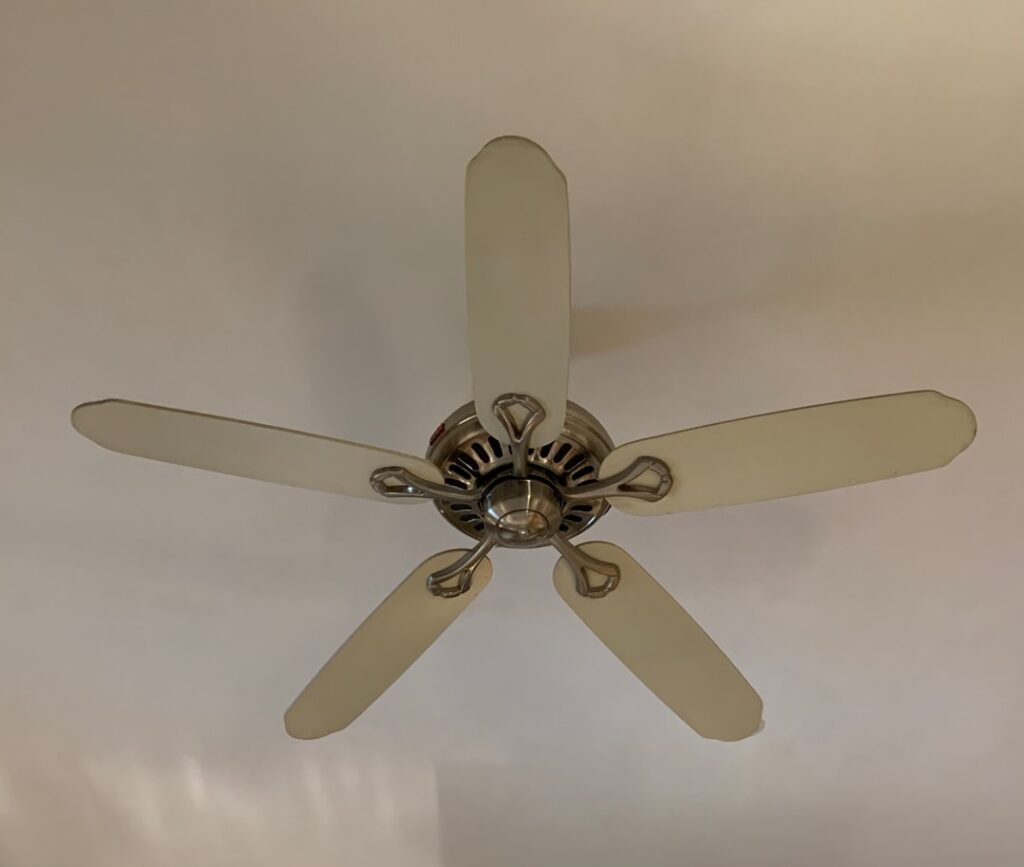
Installing or replacing a ceiling fan looks simple, but the wiring, structural support, and code requirements behind it are exactly why many homeowners call a ceiling fan electrician. A licensed electrician ensures the fan is wired correctly, hangs from a support box rated to carry its weight and motion, and complies with local electrical code, protecting your home from fire hazards and a fan that wobbles or drops. This guide explains when professional help is worth it, what the job involves, and how much it typically costs.
- When You Should Hire an Electrician
- Why the Support Box Matters So Much
- What a Ceiling Fan Electrician Actually Does
- Typical Costs of Hiring an Electrician
- Wiring Configurations Explained
- Signs of a Problem Only a Pro Should Handle
- Permits and Code Compliance
- How to Choose the Right Electrician
- DIY vs Professional: Making the Call
- Questions to Ask Before the Work Begins
- Choosing the Right Fan Before the Install
- The Bottom Line
When You Should Hire an Electrician
Swapping a fan for an identical one on an existing, properly rated box can be a DIY task, but several situations clearly call for a professional:
- No existing wiring: installing a fan where only a ceiling light or nothing exists requires running new cable.
- Ceiling box not rated for fans: standard light boxes cannot support a fan’s weight and vibration.
- New circuit or switch needed: adding a wall control or a separate switch for the light and fan.
- High or vaulted ceilings: requiring specialized equipment and downrods.
- Aluminum or knob-and-tube wiring: older systems that demand expert handling.
- Any uncertainty about the wiring: when in doubt, a licensed pro is the safe choice.
Why the Support Box Matters So Much
The single most important safety element in a ceiling fan installation is the electrical box it hangs from. A spinning fan generates constant vibration and lateral force that a standard plastic light box was never designed to handle. Code requires that ceiling fans be supported by a UL-listed fan-rated box, secured either directly to a ceiling joist or to a listed brace bar spanning between joists. These boxes are stamped “Acceptable for Fan Support” and are rated to hold at least 35 pounds, with heavy-duty versions for larger fans. An electrician verifies or installs the correct box, preventing the fan from loosening and eventually falling.
What a Ceiling Fan Electrician Actually Does
A professional installation typically includes these steps:
- Shut off and verify power: de-energize the circuit at the breaker and confirm with a tester.
- Assess or install the box: confirm a fan-rated box or install a brace and box.
- Run wiring if needed: route new cable from a switch or existing circuit.
- Assemble the fan: attach the downrod, mounting bracket, and blades.
- Make connections: wire the fan and light following the diagram, matching hot, neutral, ground, and the separate light lead.
- Balance and test: hang the fan, restore power, and check all speeds and the light for smooth, wobble-free operation.
Typical Costs of Hiring an Electrician
Ceiling fan installation costs vary with complexity:
- Simple replacement (existing rated box and wiring): $100 to $200.
- Standard new install with box upgrade: $150 to $350.
- New wiring or switch added: $300 to $600.
- High or vaulted ceiling: $250 to $600 or more.
- Fully new circuit from the panel: $500 to $1,500.
Electricians typically charge $50 to $130 per hour, and many quote a flat rate for straightforward fan work. Getting two or three estimates helps you gauge a fair price.
Wiring Configurations Explained
Ceiling fans with lights can be wired several ways, and choosing the right one affects convenience:
- Single switch: one wall switch powers both fan and light, controlled by the pull chains.
- Dual switch: separate wall switches independently control the fan and the light, requiring a three-conductor cable.
- Remote or smart control: a receiver in the canopy lets a handheld remote or smart-home system control speed and light.
An electrician can advise which setup suits your room and, if you want separate switches, whether the existing wiring supports it or a new cable is needed.
Signs of a Problem Only a Pro Should Handle
- Flickering lights or a fan that hums when running.
- A warm switch or box, indicating a loose or overloaded connection.
- A fan that trips the breaker.
- Exposed, brittle, or cloth-insulated wiring in older homes.
- A fan mounted on an ungrounded or unrated box.
These issues point to wiring faults that pose fire risks and warrant an immediate call to a licensed electrician.
Permits and Code Compliance
Simple like-for-like fan swaps usually do not require a permit, but running new circuits, adding switches, or altering wiring often does. A licensed electrician knows local code, pulls any required permits, and ensures the work passes inspection. This matters not only for safety but for your home’s resale, since unpermitted electrical work can complicate a sale or insurance claim.
How to Choose the Right Electrician
- Verify licensing and insurance: confirm a current state license and liability coverage.
- Check reviews and references: look for consistent, recent positive feedback.
- Get a written estimate: ensure it details the box, wiring, and any switch work.
- Ask about warranty: reputable pros stand behind their labor.
- Confirm cleanup and permits: clarify who handles permits and post-job cleanup.
DIY vs Professional: Making the Call
Deciding whether to hire an electrician or tackle the job yourself comes down to an honest assessment of the situation. A straightforward swap can be a reasonable DIY project if all of the following are true:
- You are replacing an existing fan, not adding one where none existed.
- The current box is already stamped fan-rated and securely mounted.
- The wiring is modern, grounded, and in good condition.
- You are comfortable working at the breaker and confirming power is off.
If any of those conditions fail, especially an unrated box, missing wiring, or old cloth-insulated wires, the job crosses into territory where a licensed electrician is the safer choice. The cost of a service call is minor compared to the risk of a fan falling or a wiring fault starting a fire, and a professional also ensures the work is code-compliant for your home’s resale value.
Questions to Ask Before the Work Begins
When you do hire an electrician, a short conversation up front prevents surprises and ensures you get exactly what you want. Ask about:
- The support box: will they confirm or install a fan-rated box, and is that included in the price?
- Switch configuration: can they wire separate controls for the fan and light if you want them?
- Downrod length: for a high or sloped ceiling, will they supply the correct downrod for proper clearance?
- Permits: is a permit needed, and will they handle it?
- Cleanup and disposal: will they remove the old fan and packaging?
- Warranty: what labor guarantee backs the installation?
Getting clear answers, and a written estimate, before work starts ensures the finished installation matches your expectations and that no hidden charges appear on the final bill. A reputable electrician will welcome these questions and answer them plainly.
Choosing the Right Fan Before the Install
An electrician can install almost any fan, but choosing the right one first ensures a safe, effective result. Discuss these factors when planning your project:
- Room size: match the blade span to the room, roughly 42 inches for small rooms and 52 inches or more for large spaces.
- Ceiling height: flush-mount hugger fans for low ceilings, and a downrod for ceilings over 9 feet to keep the fan at an effective height.
- Sloped ceilings: require a compatible mount and possibly a longer downrod.
- Damp or wet ratings: essential for porches, patios, and bathrooms exposed to moisture.
- Weight: heavier fans need a correspondingly rated support box.
Sharing the fan’s specifications with your electrician ahead of time lets them bring the correct box, downrod, and mounting hardware, avoiding a second trip and ensuring the finished installation is both safe and properly matched to your room.
The Bottom Line
A ceiling fan electrician earns their fee whenever the job goes beyond a simple swap onto an existing fan-rated box: running new wiring, upgrading the support box, adding switches, or working on high ceilings and old wiring. The right professional ensures your fan hangs from a code-compliant, properly rated box, is wired safely, and spins smoothly without wobble or hum, all while keeping the work permitted and inspected where required. For a modest installation cost, you gain peace of mind that the fan overhead is both safe and built to last, which is exactly the kind of assurance worth paying for.