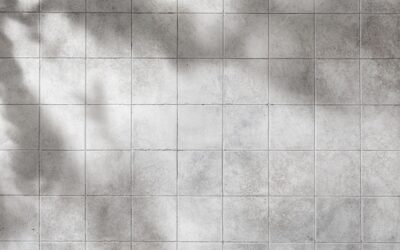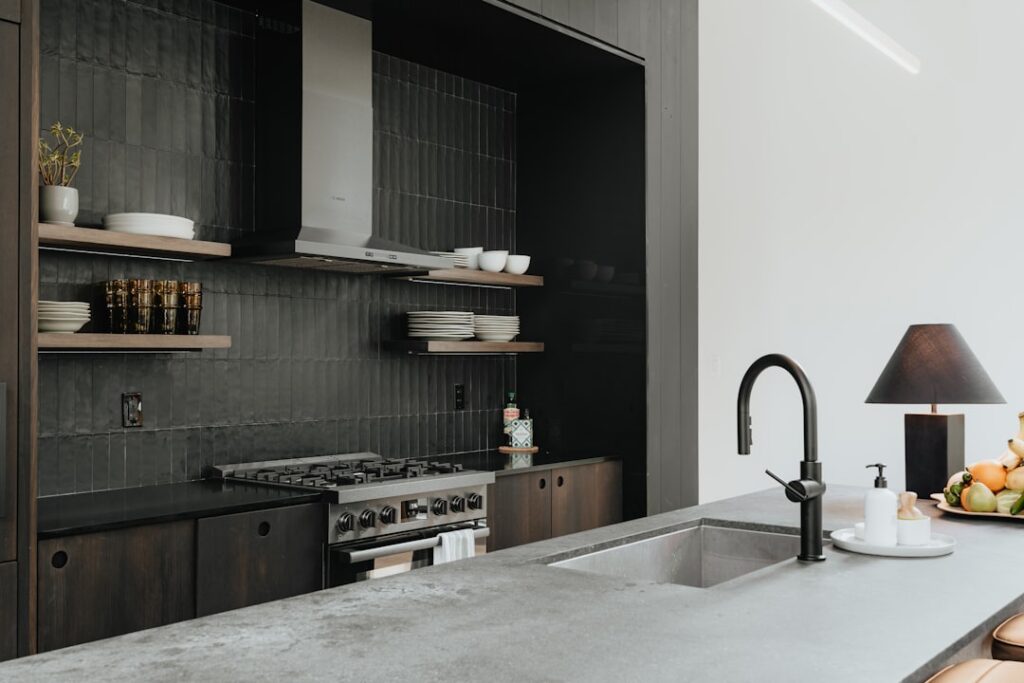
Gray became the default neutral of American interiors for a simple reason: it goes with everything and offends no one. Ceramic gray tile carries that versatility onto floors and walls, offering a clean, contemporary backdrop that pairs with white cabinets, wood tones, bold accent colors, and metal finishes alike. But “gray” hides a lot of complexity, from cool blue undertones to warm greige, from pale dove to deep charcoal. Choosing the right ceramic gray is less about picking a color and more about understanding undertone, finish, and how the tile lives in your specific light.
Part of our Tile & Grout guide — explore the full guide →
Why Gray Ceramic Became So Popular
Gray earned its place through pure flexibility. It bridges warm and cool palettes, works in both traditional and modern rooms, and reads as fresh without the starkness of pure white or the heaviness of black. On a floor, gray hides dirt, dust, and pet hair better than either extreme, which is a genuine practical advantage in a busy household. Ceramic makes that neutral affordable and durable, giving homeowners a hardwearing surface in a color that will not feel dated the way a bold trend color might. It is the safe choice that still looks intentional.
Understanding Gray Undertones
This is where most people go wrong. Gray is never truly neutral; every gray leans somewhere, and the undertone determines whether the tile flatters your room or fights it.
- Cool gray: blue, green, or purple undertones that feel crisp and modern, pairing with white, steel, and cool color schemes.
- Warm gray (greige): beige or taupe undertones that feel cozy and inviting, pairing with wood, cream, and warm metals like brass.
- True neutral gray: balanced and adaptable, the safest all-around choice.
Always test a sample against your cabinets, wall color, and lighting at different times of day, because a gray that looks perfect in the store can turn unexpectedly blue or muddy in your room.
Shade Range: Pale to Charcoal
The depth of the gray changes the whole feel of a space. Pale, dove, and light greige grays brighten a room, make small spaces feel larger, and offer a soft, airy backdrop. Mid-tone grays are the versatile middle ground, hiding dirt while staying light and current. Deep charcoal and slate grays make a dramatic, sophisticated statement and ground a room, but they show dust and water spots more readily and can shrink a small space. Match the depth to your goals: light to open up and brighten, dark to add drama and contrast.
Finish Options and Where They Fit
Finish affects both looks and function. A matte finish is the popular default for floors; it hides smudges and water spots, offers better slip resistance, and reads as soft and contemporary. A polished or glossy finish reflects light and feels more luxurious, ideal for walls and backsplashes but slippery and spot-prone on floors. A textured or wood-look finish adds grip and warmth. For a gray floor that stays practical and safe, matte or lightly textured is almost always the right call, while gloss belongs on vertical surfaces where traction is not a concern.
Where Ceramic Gray Works Best
Gray ceramic is genuinely all-purpose. On floors, it suits kitchens, bathrooms, entryways, and living areas, especially in wood-look plank formats that add warmth to the neutral tone. On walls, gray subway tile and large-format panels make clean, modern backsplashes and shower surrounds. It is the ideal backdrop when you want your cabinets, furniture, or a bold accent wall to be the star. The main thing to avoid is a gray overload: pairing cool gray floors, cool gray walls, and cool gray cabinets can leave a room feeling flat and cold, so break it up with warmth from wood, texture, or color.
Cost Expectations
Ceramic gray tile is one of the more budget-friendly quality flooring options. Basic ceramic runs roughly $1 to $4 per square foot, with wood-look and large-format ceramic reaching $4 to $8. Ceramic is generally cheaper than porcelain, though for wet areas or heavy traffic, a gray porcelain, at a slightly higher price, offers better water resistance and durability. Installation adds the usual $5 to $12 per square foot. Because gray is so widely produced, you will find abundant choices at every price point, from big-box basics to designer lines.
Pairing Gray With the Rest of the Room
Gray’s superpower is how it plays with other elements, so choose partners deliberately. Cool grays pair with crisp whites, black hardware, stainless steel, and blue or green accents for a modern look. Warm greige pairs with cream, wood cabinetry, brass or bronze fixtures, and earthy tones for a cozier feel. To keep a gray room from feeling sterile, layer in texture and natural materials: wood, woven baskets, plants, and soft textiles. A single warm wood element in a cool gray bathroom, for instance, instantly makes the space feel balanced rather than cold.
Care and Maintenance
Ceramic gray is easy to maintain. Sweep or vacuum to remove grit, and damp-mop with a neutral cleaner. Mid-tone grays are the most forgiving day to day, while very light grays show dirt and very dark grays show dust and water spots, so pale and charcoal floors need slightly more frequent cleaning. Keep the grout sealed on cementitious joints, and choose a grout color close to the tile for a seamless look that hides staining. The glazed ceramic surface itself needs no sealing and shrugs off everyday spills with a simple wipe.
Formats and Styles of Gray Ceramic
Gray ceramic comes in far more than plain square tiles, and the format shapes the whole look. Wood-look gray planks bring the warmth and grain of hardwood to a cool neutral, ideal for open living areas and bedrooms that want a softer feel. Large-format gray tiles, 24 inches and up, minimize grout lines for a clean, contemporary, almost seamless floor. Gray subway tile makes a timeless, versatile backsplash or shower wall. Gray hexagons and penny rounds add pattern and vintage character to bathroom floors. Concrete-look gray porcelain delivers an industrial, modern edge. The same color reads completely differently depending on the shape and scale you choose.
Texture is another lever. A smooth matte gray tile feels sleek and modern, a lightly textured or stone-look surface adds organic depth and grip, and a wood-look grain brings warmth to what could otherwise feel cold. In a shower, a slip-rated textured gray floor tile paired with smooth gray wall tile is both practical and cohesive. Mixing formats within the same gray family, large tiles on the floor and a coordinating mosaic in the shower niche, creates a designed, layered look without introducing a second color. This flexibility is a big part of why gray ceramic remains a default: one color family covers an entire room in complementary formats.
The Bottom Line
Ceramic gray remains a smart, versatile choice precisely because it adapts to almost any style and hides everyday wear. The secret to using it well is looking past the word “gray” to the undertone, the depth, and the finish, then testing samples in your own light before committing. Choose a warm greige for cozy rooms and a cool gray for modern ones, keep floors matte for safety, and balance the neutral with wood and texture. Get those details right and gray ceramic gives you a timeless, hardworking surface that will still look current years from now.
Prefer to explore on your own?
See how new flooring looks in your actual room in seconds — free, no signup.
Try the free Floor Studio →