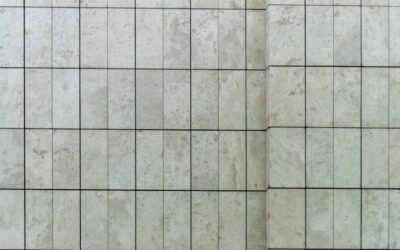
Gray quietly became the beige of the last decade, and for good reason. Gray ceramic tiles pair with almost any color scheme, hide everyday dirt and grime better than stark white, and read as either warm and cozy or cool and modern depending on the exact shade. From a soft dove-gray subway backsplash to a charcoal slate-look floor, gray ceramic gives you a neutral canvas that doesn’t feel flat. Choosing the right one, though, means paying attention to undertone, finish, and size, because the difference between a gray that feels calming and one that feels cold and institutional comes down to those details.
Understanding Gray’s Undertones
Gray is never truly neutral. Every gray leans somewhere, and matching that lean to your room is the single most important choice. Warm grays carry a hint of brown or taupe, sometimes called greige, and they pair naturally with wood tones, cream cabinets, and traditional spaces. Cool grays lean blue or green and suit modern kitchens, stainless appliances, and crisp white trim. Bring a physical sample home and view it against your cabinets and wall color in both daylight and evening light; a tile that looks perfectly neutral in the showroom can turn distinctly blue or purple under your own lighting.
Popular Shades of Gray Tile
Gray ceramic spans an enormous range. The most common families you’ll see are:
- Light dove and silver gray: airy and clean, they brighten small rooms and pair with white grout
- Mid greige: warm and versatile, forgiving of foot traffic and easy to decorate around
- Slate and stone gray: textured, natural-looking finishes that mimic real stone
- Charcoal and graphite: dramatic and modern, striking as an accent but show dust and water spots
Lighter grays make spaces feel larger and are the safer choice for small bathrooms, while deep charcoals add drama best used on a feature wall or a large, well-lit floor.
Finishes and Their Effects
Finish changes both the look and the practicality. A glossy gray reflects light and feels sleek, ideal for backsplashes and walls, but it shows water spots and can be slick underfoot. A matte finish reads more contemporary and natural, hides fingerprints and smudges, and offers better traction for floors. Textured and stone-look finishes add depth and grip, which makes them a smart pick for shower floors and entryways. For a floor that gets wet, check the slip resistance (a DCOF of 0.42 or higher) and lean toward matte or textured surfaces.
Sizes and Formats
Gray works across every tile format, and the size you choose shapes the room’s feel. Small 3-by-6 subway tiles in gray give a timeless, slightly industrial backsplash. Large-format 12-by-24 or 24-by-24 floor tiles minimize grout lines and make a room feel expansive and modern. Wood-look gray plank tiles, typically 6-by-24 or 8-by-48, bring the warmth of driftwood flooring with the durability of ceramic. Hexagons and other geometric shapes in gray add pattern without introducing a competing color. Match the format to the scale of the space; big tiles in a tiny bathroom can feel chopped up by cuts, while tiny tiles across a large floor multiply the grout maintenance.
Choosing the Right Grout
Grout is where a gray tile install either sings or disappoints. You have three strategies. A matching gray grout blends the joints and lets a floor read as a continuous surface, which is calming and modern. A lighter grout, white or pale gray, creates a subtle grid that highlights the tile shape, popular for subway backsplashes. A darker grout, charcoal, adds graphic contrast and, practically, hides dirt in high-traffic floors. Whatever you choose, seal cement-based grout so it doesn’t discolor unevenly, since mismatched dingy grout ruins an otherwise clean gray floor.
Where Gray Ceramic Tile Works Best
Gray’s versatility means it fits nearly anywhere. In kitchens, a gray backsplash bridges white cabinets and stainless steel effortlessly. In bathrooms, gray floor and shower tile create a spa-like, serene feel that resists showing hard-water spots the way white does. In entryways and mudrooms, mid-to-dark gray hides tracked-in dirt between cleanings. In open-concept living areas, large-format gray floor tile flows seamlessly from room to room. Because gray is a neutral, it also lets you change your decor, towels, rugs, wall color, over the years without the tile ever clashing.
Designing Around Gray
To keep a gray room from feeling cold, layer in texture and warmth: wood accents, brass or gold fixtures, plants, and warm lighting all soften cool grays. In a monochrome gray bathroom, vary the shades and finishes, a matte gray floor, glossy gray wall tile, and a textured accent strip, so the space has depth instead of reading as one flat tone. Pair warm greige with earthy tones and pair cool grays with crisp whites and blacks for a modern look.
What Gray Ceramic Tile Costs
Ceramic is one of the most budget-friendly tile materials, and gray is a mainstream color, so pricing stays reasonable. Basic gray field tile runs $1 to $3 per square foot at the big-box stores, mid-grade glazed porcelain-look ceramic lands around $3 to $7, and designer or handmade gray tile with a hand-troweled glaze can climb to $10 to $20 or more. Installation adds another $6 to $12 per square foot for a standard grid layout, with intricate patterns like herringbone or a 12-by-24 offset running higher because of the extra cutting and layout time. For a typical 100-square-foot bathroom floor, budget roughly $700 to $2,000 all in. Always order 10 to 15 percent overage; dye lots vary, and buying matching gray tile a year later to patch a repair is nearly impossible.
Cleaning and Long-Term Care
One of gray’s quiet advantages is how well it hides daily grime compared to bright white, but the finish you chose dictates upkeep. Sweep or vacuum grit first, then damp-mop with a pH-neutral cleaner; skip vinegar and acidic products, which dull glaze over time and etch any cement grout. Glossy charcoal shows water spots and soap film, so a quick squeegee or microfiber wipe keeps a dark shower wall looking sharp. Matte gray hides fingerprints but can trap a thin haze in its micro-texture, which a periodic scrub with a soft nylon brush lifts out. Reseal cement-based grout once a year in wet areas so the lines don’t darken unevenly and betray the clean gray field.
Common Mistakes to Avoid
The biggest error is choosing a gray under showroom fluorescents and discovering a blue or lavender cast at home; always sample in your own light. The second is pairing a cool blue-gray tile with warm greige cabinets, which makes both look muddy, match undertone to undertone. Homeowners also tend to pick a glossy tile for a shower floor, where it turns slick when wet; reserve gloss for walls and use matte or textured gray, with a DCOF of 0.42 or higher, on any floor that gets water. Finally, don’t default to bright white grout on a light gray floor unless you want to scrub it constantly; a mid-gray grout hides traffic and ages far more gracefully.
Gray ceramic tiles remain a designer favorite because they’re endlessly adaptable, hard-wearing, and forgiving of daily life. Nail the undertone, choose a finish suited to the room, and pick your grout deliberately, and you’ll have a surface that looks intentional and current today and still works with whatever decor you fall for a decade from now.
Prefer to explore on your own?
See how new flooring looks in your actual room in seconds — free, no signup.
Try the free Floor Studio →