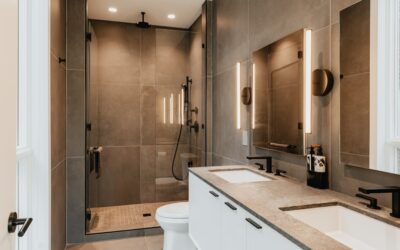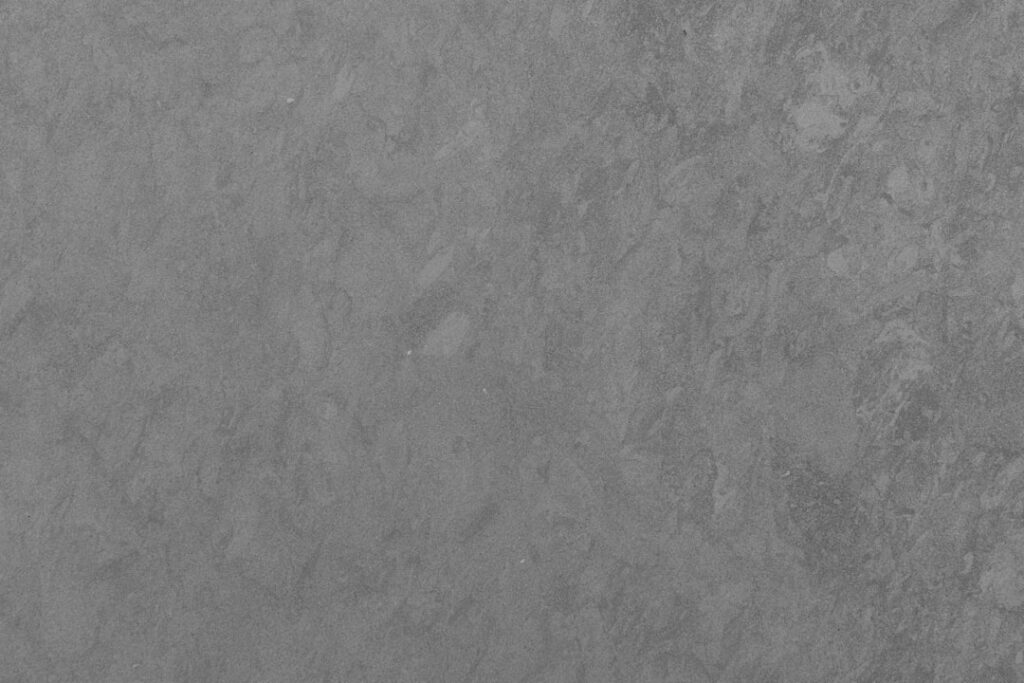
Few materials are as endlessly useful as a good neutral, and light gray tile has earned its place as the safe-but-stylish default for floors, showers, and backsplashes alike. It is bright enough to keep a space feeling open, neutral enough to pair with almost any color, and forgiving enough to hide dust and minor wear that a dark or pure-white tile would broadcast. Whether you want a calm modern bathroom, a brightened-up kitchen, or a floor that will still look current in ten years, light gray is a reliable choice. The trick is understanding undertones, finishes, and grout pairings so your gray reads exactly the way you intend.
Part of our Tile & Grout guide — explore the full guide →
Why Light Gray Tile Works Everywhere
Gray sits between cool and warm, which makes it one of the most flexible colors you can choose. Light gray, in particular, reflects light and keeps rooms feeling airy, an advantage in small or windowless spaces. It pairs effortlessly with white, black, wood tones, navy, sage, and brass fixtures, so it never locks you into a single color scheme. Practically, a mid-light gray hides dirt, water spots, and footprints better than glossy white or jet black, which is why it is a favorite for busy floors.
Because it is a true neutral, light gray also resists going out of style. It does not chase a trend the way a bold color does, so it ages gracefully and appeals to future buyers if you ever sell.
Understanding Gray Undertones
Not all grays are the same, and the undertone is what makes or breaks the look. A gray can lean cool (blue or green) or warm (beige, taupe, the so-called greige). This matters enormously once it is on a wall or floor with other finishes around it.
- Cool gray: Crisp, clean, and modern, with a blue or slightly purple cast. Pairs with white, chrome, and contemporary kitchens.
- Warm gray and greige: Softer, with beige or taupe undertones that flatter wood, warm whites, and cozier palettes.
- Neutral gray: A balanced middle ground that swings either way depending on lighting and surroundings.
Always test samples against your cabinets, fixtures, and lighting before committing. A gray that looks neutral in the showroom can turn distinctly blue or beige in your room’s specific light.
Finishes and Styles
Light gray comes in nearly every tile format, so the finish drives the personality.
- Matte porcelain: Understated and slip-resistant, ideal for floors and a soft, modern look.
- Polished or glossy: Reflects light to brighten a space, great on walls and backsplashes, though more slippery on floors.
- Stone-look: Light gray concrete, limestone, and marble looks that add subtle texture and realism.
- Wood-look plank: Gray-washed wood-look tile for a coastal or Scandinavian feel with the durability of porcelain.
- Subway and mosaic: Classic light gray subway tile or hexagon mosaics for backsplashes and shower walls.
Where to Use Light Gray Tile
Its versatility means it works in nearly every room, but a few applications stand out:
- Bathrooms: Light gray creates a calm, spa-like feel on floors and shower walls and reads clean and current.
- Kitchens: A gray floor or backsplash grounds the space without competing with cabinets or counters.
- Entryways and mudrooms: Durable porcelain in light gray hides tracked-in grime better than white.
- Open-concept floors: Large-format light gray porcelain flows from room to room for a seamless, spacious look.
Choosing the Right Grout
Grout color changes the whole effect of light gray tile, so choose it deliberately. A matching light gray grout makes the surface read as one continuous, seamless plane, which is the modern, minimal look and great for large-format tile. A slightly darker gray grout defines each tile and adds subtle structure without harsh contrast, a good all-around choice. A white grout brightens and lifts the tile but shows dirt fastest, while a charcoal grout creates bold, graphic contrast for a more striking pattern.
For floors and high-traffic areas, lean toward a mid-tone gray grout rather than white, since it hides dirt and stays looking clean far longer between scrubbings.
Design Tips to Avoid a Flat Look
The one risk with an all-neutral palette is that it can feel cold or monotonous. Counter that with layered texture and warmth:
- Add warmth with wood elements, like a wood vanity, open shelving, or warm wood-tone cabinets, to balance cool gray.
- Introduce texture through a stone-look or ribbed accent tile so the gray surfaces are not all flat.
- Bring in metallic accents, brass or matte black fixtures, to add contrast and interest.
- Layer soft textiles and greenery in the room so the neutral backdrop feels warm and lived-in, not sterile.
Sizing and Layout Choices
The format you pick changes how a light gray tile reads as much as the color does. Large-format tiles, 24 inches and up, mean fewer grout lines and a more seamless, expansive look that makes small rooms feel bigger, especially in a matching gray grout. Smaller tiles and mosaics add detail and texture but introduce more grout, which can break up the clean effect or, paired with a contrasting grout, become a deliberate design feature.
Layout matters too. A standard grid is calm and timeless; a brick or offset pattern adds subtle movement; herringbone and chevron bring energy and a custom feel. For floors that flow between rooms, a large-format light gray porcelain in a simple grid creates continuity and openness. On shower walls, a vertical stack or a fine mosaic on the floor adds interest without abandoning the neutral palette. Whatever size you choose, order 10 to 15 percent extra for cuts and future repairs, since exact tile matches can be hard to find later.
The Bottom Line
Light gray tile is the dependable workhorse of neutral design: bright, flexible, forgiving, and timeless. Nail the undertone so it harmonizes with your fixtures, choose a finish suited to the room, and pair it with a grout color that delivers the look you want, seamless, defined, or bold. Add a few warm and textured elements to keep it from feeling flat, and you have a surface that brightens your space and stays in style for years to come.
Prefer to explore on your own?
See how new flooring looks in your actual room in seconds — free, no signup.
Try the free Floor Studio →