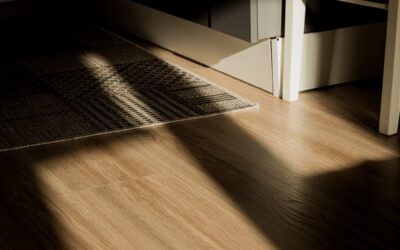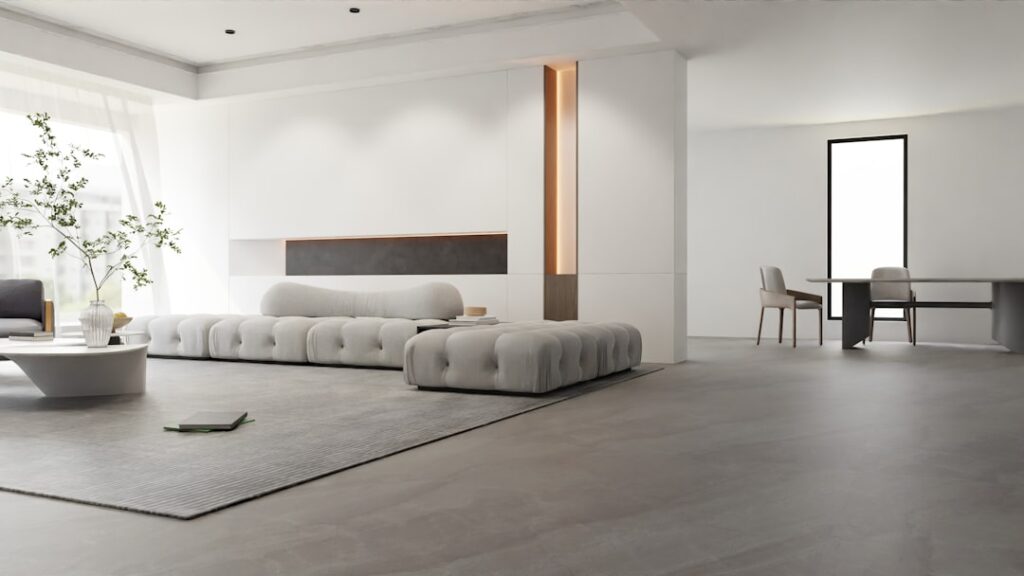
Walk through any new build or recent remodel and you will notice the floors have a color in common. Gray LVP has become the best-selling shade of luxury vinyl plank for a simple reason: it reads clean, modern, and neutral, hiding dirt and pet hair better than dark browns while pairing effortlessly with white cabinets, cool paint colors, and contemporary furniture. But “gray” covers a huge range, and picking the right shade and undertone makes all the difference. Here is how to choose.
Why Gray Became the Default
Gray’s popularity is not just a passing trend; it solves real practical problems. A mid-gray floor camouflages the everyday grit, dust, and pet hair that show glaringly on both very dark and very light floors, so it looks clean between sweepings. It also acts as a true neutral, letting you change wall colors, rugs, and furniture over the years without the floor fighting your decor.
Beyond the practical, gray simply looks current. It anchors the bright, airy, cool-toned palette that has dominated interior design, complementing white and navy cabinetry, stainless appliances, and the whole farmhouse-modern aesthetic. Because it is vinyl, you get that on-trend look with waterproof, scratch-resistant, budget-friendly performance.
The Range of Gray Shades
The biggest mistake shoppers make is treating gray as one color. It runs from nearly white to almost black, and each range creates a very different room.
- Light gray: soft, airy, and Scandinavian; opens up small rooms and pairs with white and pastel palettes. Shows less dust but more scuffs.
- Mid gray: the versatile workhorse that hides dirt best and suits almost any decor.
- Greige (gray-beige): a warm-leaning gray that plays nicely with wood tones and warmer decor, softening the coolness.
- Charcoal and dark gray: dramatic and modern, great for contrast with light cabinets, though it shows dust and pet hair more.
- Weathered and driftwood grays: multi-tone planks with hints of brown or blue for a natural, reclaimed look.
Order samples and lay them in your actual room at different times of day, because a gray that looks warm in the store can turn cold and blue under your home’s lighting.
Getting the Undertone Right
Undertone is where gray floors succeed or fail. Cool grays lean blue or purple and pair with cool whites and grays on the walls, while warm grays lean beige or taupe and harmonize with cream, wood, and warmer tones. Mixing a cool-blue floor with warm cream cabinets, or the reverse, is the classic mismatch that makes a room feel slightly off without people knowing why.
To avoid it, match the floor’s undertone to your dominant fixed elements, such as countertops and cabinets. Hold a sample against your cabinet door and counter in daylight. If the whole palette leans cool, choose a true or cool gray; if your finishes are warm, a greige floor will feel far more harmonious.
What Gray LVP Costs
Because gray is the most common color, it is available at every price point. Budget gray LVP starts around $2 per square foot, mid-range rigid-core planks run $3 to $5, and premium wide-plank or thick wear-layer products reach $6 to $8. Professional installation adds roughly $1.50 to $4 per square foot.
For an average 300-square-foot room, that means materials of about $600 to $2,400 and installed totals of roughly $1,000 to $3,500 depending on the product and whether you DIY. Since gray sells in high volume, you can often find quality options on promotion, making it one of the better values in flooring.
Styles and Finishes
Gray comes in every plank format and texture. Wide planks in the 7 to 9-inch range feel modern and show off the color, while narrower planks read more traditional. Surface texture ranges from smooth matte to deeply embossed wood grain and hand-scraped looks that add realism and hide micro-scratches. Beveled edges create defined plank lines for a more authentic hardwood impression, while square edges give a seamless, contemporary field. For the trendiest look, a wide, low-sheen, gray oak plank with visible grain is hard to beat.
Decorating Around a Gray Floor
Gray’s neutrality is a gift, but it still needs a little intention. With light gray, layer in texture and a few warm accents so the room does not feel sterile. With charcoal floors, keep walls and larger furniture lighter to prevent the space from feeling heavy. Greige floors are the most forgiving, blending with both cool and warm accessories. Across all shades, natural wood furniture, greenery, and a textured area rug warm up the cool base and keep a gray room from reading flat.
Care and Maintenance
Like all LVP, gray planks are easy to keep clean. Sweep or vacuum to lift grit, then damp-mop with a vinyl-safe cleaner; skip steam mops, wax, and abrasive pads. One practical note: very dark charcoal and very light grays both show dust and footprints more than a mid-gray, so if low-maintenance appearance is a priority, a mid-tone gray is the most forgiving choice day to day.
Is Gray Still on Trend?
A fair question, since gray has dominated for years and design trends move on. The honest answer is that pure cool gray floors have peaked, and the momentum has shifted toward warmer greige and natural wood tones that feel cozier. That does not mean a gray floor looks dated, though. Mid-gray and greige remain genuinely neutral and blend with almost any decor, and because they hide dirt so well and pair with the white-and-cool palettes still common in kitchens and baths, they continue to sell strongly. If longevity worries you, lean toward a greige or a multi-tone weathered gray with subtle brown undertones rather than a stark blue-gray; those warmer variants ride the current shift and are far less likely to feel of-a-certain-year a decade from now. The safest gray is always the one closest to neutral.
Is Gray LVP Right for You?
Gray LVP remains the most popular vinyl plank color because it genuinely works: it is neutral, modern, dirt-hiding, and affordable, and it flatters the bright, cool palettes most homeowners want today. The key to loving it is nailing the shade and undertone, so order samples, view them in your own light, and match the undertone to your cabinets and counters. Do that, and a gray vinyl floor will look clean, current, and cohesive for years, with waterproof, low-maintenance performance to match.
Prefer to explore on your own?
See how new flooring looks in your actual room in seconds — free, no signup.
Try the free Floor Studio →