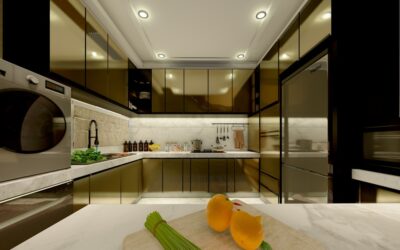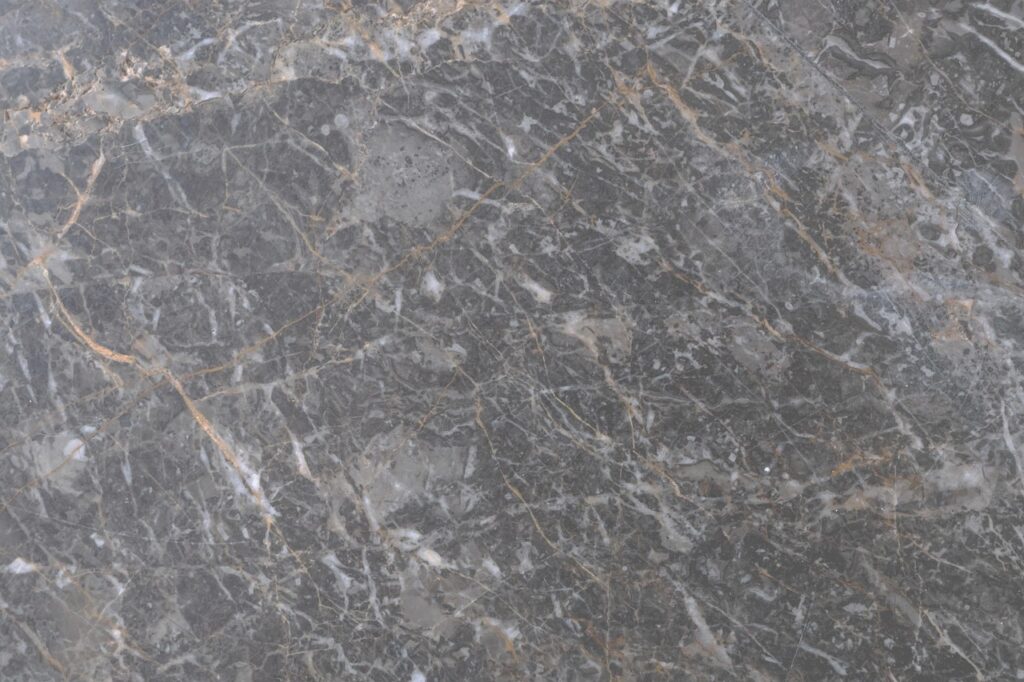
Gray earned its reputation as the safe neutral, but get the undertone wrong and your kitchen can read cold, dingy, or oddly purple under the fridge light. Done right, gray kitchen walls create a calm, sophisticated backdrop that flatters nearly any cabinet color and lets your countertops and hardware shine. The secret is understanding how grays shift with light and which shades stay warm versus turning clinical. This guide covers the best gray paint colors for kitchens, how to dodge the undertone traps, and how to pair gray walls with cabinets, counters, and finishes for a look that feels current rather than dated.
Part of our Kitchen Remodeling guide — explore the full guide →
Why Gray Still Works in the Kitchen
Gray persists for good reason. It’s endlessly flexible, pairing with white, wood, navy, black, and brass alike, and it hides scuffs and cooking splatter better than crisp white. A mid-tone gray gives a kitchen depth and a grounded feel without going as bold as a deep blue or green. For homeowners who want a neutral that feels intentional rather than builder-beige, gray remains a strong, resale-friendly choice.
The trick is treating gray as a color with personality, not a non-color. Every gray leans somewhere, warm, cool, or even green or violet, and that lean is what determines whether the room feels cozy or sterile.
Understanding Gray Undertones
The most important step in choosing a gray is identifying its undertone. Cool grays lean blue and can feel crisp and modern, but in a north-facing kitchen with little direct sun, they tip toward cold and gloomy. Warm grays, often called “greige” when they blend gray and beige, carry a hint of brown or taupe that keeps the room inviting.
Watch out for these common surprises:
- Blue shift — cool grays look bluer in low or north light.
- Purple shift — some grays reveal a violet undertone under warm bulbs.
- Green shift — certain grays go sage-y next to wood or under fluorescent light.
Always test a large swatch on the actual wall and look at it at morning, midday, and night before committing. A poster-board sample moved around the room is cheaper than repainting.
Best Gray Paint Shades for Kitchens
A few gray families consistently perform well in kitchens. Soft greige tones, blends of gray and beige, are the most foolproof because their warmth keeps the space from feeling cold while still reading neutral. Mid-tone “true” grays give more contrast against white cabinets and trim, ideal if you want the walls to register clearly rather than fade to off-white.
For small or dim kitchens, lean toward light, warm grays that maximize brightness. For larger, sunlit kitchens, you can go a few shades deeper for drama without the room feeling boxed in. If you love the moody look, a deep charcoal gray on the walls (or one accent wall) pairs strikingly with white or wood cabinets, but reserve the darkest grays for kitchens with plenty of natural light.
Pairing Gray Walls with Cabinets
Gray’s flexibility really shows when you start pairing. White cabinets against gray walls is the classic, clean and bright with just enough contrast to feel layered. Wood-tone cabinets, especially warm oak or walnut, look fantastic against greige walls, with the warm wood balancing the cool of the gray for that sought-after organic-modern feel.
For a tonal, sophisticated look, gray-on-gray works if you vary the shades, lighter walls with darker cabinets, or vice versa, so they don’t blend into a flat mass. Navy or deep green cabinets also pair beautifully with light gray walls, letting the cabinet color be the star while the gray recedes. The key is contrast and undertone harmony.
Counters, Backsplash, and Hardware
Gray walls give you wide latitude for counters and backsplash. White quartz with subtle gray veining is a natural match and keeps things bright. Warm marble-look counters add a touch of luxury, while butcher block introduces wood warmth that softens cooler grays. For the backsplash, white subway tile, marble-look slab, or a soft zellige all let the gray walls sit quietly in the background.
Hardware is where you can warm things up or sharpen the contrast. Brushed brass and gold pulls inject warmth that flatters greige and keeps cooler grays from feeling stark. Matte black hardware delivers crisp, graphic contrast for a modern edge. Either choice helps tie the room together and gives the gray a clear point of reference.
Gray Accent Walls and Two-Tone Looks
You don’t have to paint every wall gray to get the effect. A single charcoal or deep-gray accent wall, behind open shelving, on the range wall, or in a breakfast nook, adds depth and a focal point while keeping the rest of the kitchen light. This is a smart move in smaller kitchens where wrapping the whole room in a darker gray could feel closed in.
Two-tone schemes also play beautifully with gray. Try lighter greige on the upper walls and a richer gray on a wainscot or lower section, or pair gray walls with a contrasting trim color for a tailored look. Because gray is so neutral, it gives you freedom to introduce a bolder accent, a navy door, a deep green pantry, or black window frames, without the room feeling busy.
Common Gray Mistakes to Avoid
A few missteps trip up homeowners painting a kitchen gray. The biggest is skipping the swatch test and discovering, too late, that the gray turns blue, purple, or green in your specific light. The second is choosing a gray that’s too cool for a room with little natural light, which leaves the kitchen feeling cold and gloomy. Watch out for these:
- Going too cool in a north-facing or dim kitchen, opt for greige instead.
- Pairing cool gray with cool counters and cool lighting, with nothing warm to balance, the room can feel sterile.
- Forgetting the trim, a crisp white or warm off-white trim keeps gray from looking flat.
- Matching the gray too closely to gray flooring, vary the tones so they read as deliberate.
Balance is everything: a warm wood cutting board, brass hardware, or a butcher-block counter keeps even a cool gray feeling inviting rather than clinical.
Lighting Makes or Breaks Gray
No factor influences gray more than light. The same swatch can look soft and warm under 2700K bulbs and cold and blue under 4000K. Choose warm white bulbs, around 2700K to 3000K, to keep gray walls inviting, and add layered lighting, undercabinet strips and pendants, so you’re not relying on a single overhead fixture that can cast a flat, unflattering tone.
If your kitchen runs short on natural light, favor warm, light grays and warm bulbs to compensate. With the right shade, the right pairings, and the right lighting, gray kitchen walls deliver a versatile, timeless backdrop that makes your cabinets and finishes look their best, without a hint of the cold, dated feel that gives gray a bad name.