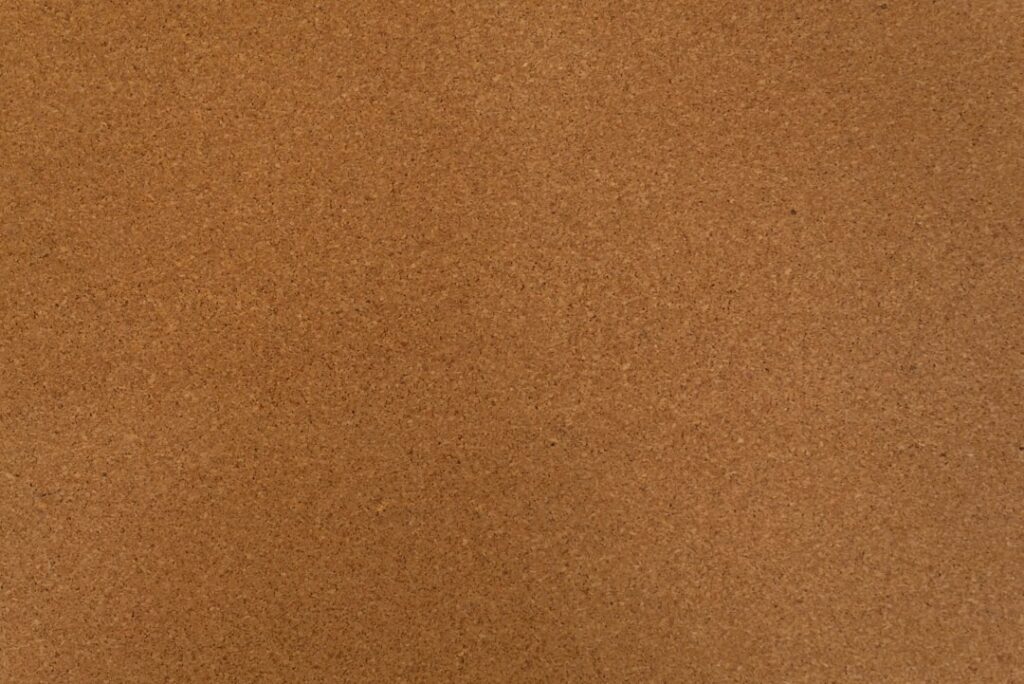
Cork has a reputation for being a premium, eco-conscious floor, and that reputation scares off budget-minded homeowners before they ever check the numbers. In my years installing floors, I’ve found that the cheapest cork flooring is often more affordable than mid-grade luxury vinyl or engineered hardwood, especially when you shop the right formats and skip the boutique brands. Cork is warm underfoot, quiet, forgiving on the knees, and naturally resistant to mold and mildew, and you can get all of that without paying a fortune.
The catch is that cheap cork and good cork are not always the same thing. Some of the lowest-priced products cut corners on wear-layer thickness or core density, and those will dent and wear out fast. This guide breaks down where the real savings live, what prices to expect per square foot, which formats to choose, and where spending a little more actually saves you money over the life of the floor.
What Drives Cork Flooring Prices
Cork pricing comes down to a few factors, and understanding them helps you spot genuine value versus false economy. The biggest driver is the wear layer, the finished surface that takes daily abuse. Budget cork often has a thin factory finish or a wear layer under 2 millimeters, while better products carry 3 to 6 millimeters of solid cork veneer that can be refinished. Thicker isn’t always necessary, but too thin is a false savings.
Core construction is the second factor. Glue-down cork tiles are typically solid cork all the way through, while floating cork planks use a high-density fiberboard (HDF) core with cork veneer on top and a cork backing underneath. The HDF-core click planks tend to be the most budget-friendly because they install fast and use less premium cork per square foot. Finish type matters too: prefinished polyurethane or ceramic-bead coatings cost more upfront but save you from sealing the floor yourself.
Finally, brand and sourcing move the needle. The same Portuguese cork oak feeds premium brands and value labels alike, so a lesser-known manufacturer selling comparable specs at a lower price is often a smart buy. Don’t assume the cheapest cork is inferior; verify the wear layer and core, and you can capture real savings.
Real Price Ranges to Expect
Let me give you honest numbers so you can budget. The cheapest cork flooring you’ll find is basic glue-down cork tile, often 2 to 4 dollars per square foot for the material. These thin tiles work well in low-traffic rooms if you seal them properly, and they’re the absolute entry point into a cork floor. Peel-and-stick cork tiles exist even cheaper but I rarely recommend them because the adhesive fails over time.
Floating cork click planks, the most popular format, typically run 3 to 7 dollars per square foot for material. This is the sweet spot for most budgets: you get a prefinished wear layer, an HDF click core that installs without glue, and a comfortable, quiet floor. Premium cork with thick refinishable veneers and designer patterns climbs to 8 to 12 dollars, but you don’t need to go there to get a durable floor.
Installation adds 2 to 4 dollars per square foot if you hire a pro, though floating click cork is genuinely DIY-friendly and can save you that entirely. All in, a budget cork floor you install yourself can land under 5 dollars per square foot, which competes directly with cheap laminate while offering far more comfort underfoot.
Tiles vs Planks: Which Saves More
The format you choose has a big impact on both price and labor. Glue-down cork tiles have the lowest material cost, but they demand more work: you need a perfectly clean, flat, dry subfloor, the right contact adhesive, and patience to set each tile. If you’re comfortable with that and your subfloor cooperates, glue-down tiles deliver the cheapest finished floor per square foot.
Floating click planks cost slightly more per square foot but slash installation time and difficulty. They snap together over an underlayment with no adhesive, float freely over the subfloor, and forgive minor imperfections better than glue-down. For most homeowners chasing the cheapest cork flooring that still looks good and lasts, click planks are the better total-cost choice once you factor in labor and the reduced risk of a botched glue job.
There’s also a durability angle. Glue-down cork bonded directly to the subfloor can handle rolling loads and heavy furniture a bit better, while floating floors can feel slightly springy under very heavy pieces. For a home office, bedroom, or living room, either works. For a busy kitchen, I lean toward glue-down for the solid feel, and you’ll often save money there too.
Where to Buy Cheap Cork Without Getting Burned
Big-box home improvement stores carry entry-level cork click planks that are honestly fine for the price, and watching for seasonal flooring sales can knock a dollar or more off per square foot. Online flooring retailers often beat local prices, but always order samples first because cork color and pattern vary a lot between photos and reality, and shipping returns on flooring are painful.
Discontinued lines and overstock are the budget shopper’s best friend. When a manufacturer retires a color, retailers blow out the remaining stock, and you can score quality cork at tile-tier prices. The only risk is quantity, so measure carefully and buy 10 percent extra, because you won’t be able to reorder a discontinued lot later. Clearance cork is where I’ve seen the genuine bargains.
Be cautious with no-name imports that don’t list a wear-layer thickness or finish type. If a listing won’t tell you the specs, assume they’re minimal. A legitimate cheap cork floor still publishes its wear layer, core type, and warranty. When those numbers are present and reasonable, a low price is a bargain; when they’re hidden, it’s a gamble.
What Cheap Cork Does Well and Where It Struggles
Even budget cork delivers cork’s signature benefits. It’s warm underfoot because of the air trapped in its cellular structure, it deadens sound so rooms feel quieter, and it’s gentle on joints, which is why it’s beloved in kitchens and hobby rooms where you stand a lot. It’s naturally antimicrobial and resists mold, and its give makes it forgiving when you drop a dish. These qualities come standard even at the low end.
The struggles show up under abuse. Thin budget cork dents under stiletto heels, heavy furniture legs, and dragged appliances, so use furniture pads and wide caster cups. Cork also fades in strong direct sunlight, so rooms with big south-facing windows may show color shift over the years. And while cork resists moisture better than hardwood, standing water and unsealed seams will damage it, so it’s not a basement-flood or full-bathroom floor.
Manage those limits and cheap cork holds up well. Seal any glue-down tile floor with a quality polyurethane, keep humidity in a normal range, and address spills promptly. Do that, and a budget cork floor can serve comfortably for 15 to 25 years, which is strong value for the money.
Smart Ways to Cut Costs Further
The single biggest saving is installing it yourself, and floating click cork is one of the easier DIY floors out there. A careful weekend warrior with a tapping block, a pull bar, and a clean flat subfloor can lay a cork floor and pocket the 2 to 4 dollars per square foot a pro would charge. That labor saving alone often halves the project cost.
Buy only what you need plus a modest waste allowance, and check your subfloor before ordering so you don’t get surprised by leveling costs. A floor that needs a self-leveling underlayment or extensive prep can wipe out the savings from a cheap material, so factor total project cost, not just the sticker price per square foot.
Finally, resist over-buying features you won’t use. A super-thick refinishable wear layer is wasted in a guest bedroom. Match the product to the room’s traffic: entry-level click cork for bedrooms and offices, mid-grade or glue-down for kitchens and living areas. Spend where the wear happens and economize where it doesn’t, and you’ll get a comfortable, attractive cork floor for genuinely little money.
Prefer to explore on your own?
See how new flooring looks in your actual room in seconds — free, no signup.
Try the free Floor Studio →