Waterproof flooring used to mean tile and a big install bill, but a wave of vinyl products has dropped the entry price to just a couple of dollars a square foot. If you are hunting for the cheapest waterproof flooring for a basement, bathroom, laundry room, or rental, you have more genuinely budget-friendly choices than ever. The catch is that the lowest sticker price is not always the best value once you factor in durability and installation. Here is an honest breakdown of the cheapest waterproof options by cost tier, with the trade-offs spelled out.
Part of our Roofing guide — explore the full guide →
- What “Waterproof” Means at the Budget Level
- Tier 1: Sheet Vinyl (The Cheapest Option)
- Tier 2: Peel-and-Stick LVP and Tiles
- Tier 3: Entry-Level Rigid-Core (SPC/LVP) Click Flooring
- Total Cost Is More Than the Sticker
- Pros and Cons of Going Cheap
- Where Each Budget Option Works Best
- How to Stretch a Tight Budget Further
- Final Take
What “Waterproof” Means at the Budget Level
True waterproof flooring will not swell or break down from standing water, unlike laminate, which is only water-resistant and ruins if water sits on it. At the low end, that almost always means vinyl in one form or another, because vinyl is naturally water-impervious and cheap to produce. Just remember: the flooring surface being waterproof does not waterproof your room. Water can still reach the subfloor through seams and edges, so budget options work best where moisture is occasional, not constant flooding.
Tier 1: Sheet Vinyl (The Cheapest Option)
Sheet vinyl is the rock-bottom champion, often running about $0.50 to $2 per square foot for the material. It comes in wide rolls, so a bathroom or laundry room can be covered with very few seams, which is exactly what you want for water resistance. The continuous surface means almost nowhere for water to sneak through.
- Pros: cheapest material cost, few seams, soft and quiet underfoot, easy to clean.
- Cons: can tear or gouge, harder to install neatly in large or odd-shaped rooms, looks less premium, and damage usually means replacing a whole section.
For a small utility space on a tight budget, sheet vinyl is tough to beat on price.
Tier 2: Peel-and-Stick LVP and Tiles
Peel-and-stick luxury vinyl planks and tiles typically land around $0.70 to $2.50 per square foot and are the easiest DIY waterproof floor going. You pull a backing and press each piece to a clean, flat subfloor. No special tools, no underlayment, no glue spreading.
- Pros: very low cost, beginner-friendly DIY, individual pieces are easy to replace, no extra materials needed.
- Cons: the adhesive demands a very clean, smooth, dry subfloor; seams can lift over time, especially with temperature swings or moisture from below; thinner wear layers wear faster.
Peel-and-stick shines in rentals, closets, and small rooms where the goal is a quick, cheap refresh rather than a 20-year floor.
Tier 3: Entry-Level Rigid-Core (SPC/LVP) Click Flooring
Rigid-core click vinyl, often labeled SPC, usually starts around $1.50 to $3 per square foot for budget lines and offers the best balance of price and durability on this list. The planks float over the subfloor with a click-lock edge, many include an attached pad, and the rigid core hides minor subfloor imperfections better than glue-down or peel-and-stick.
- Pros: 100 percent waterproof core, realistic wood and stone looks, click-together DIY, more forgiving over imperfect subfloors, replaceable planks.
- Cons: costs more than sheet or peel-and-stick, very cheap lines may have thin wear layers (look for at least 12 mil), and floating floors need expansion gaps at the walls.
If you can stretch the budget slightly, entry rigid-core gives you a floor that looks far more expensive than it is and holds up to real traffic.
Total Cost Is More Than the Sticker
The cheapest material is not always the cheapest finished floor. Factor in these costs before deciding:
- Underlayment — some floating floors need it; many rigid-core lines include it.
- Subfloor prep — peel-and-stick and sheet vinyl need a very smooth surface, which may mean a skim coat or a layer of plywood.
- Transitions and trim — thresholds and quarter-round add up.
- Tools or labor — DIY saves the most; budget vinyl is among the easiest to self-install.
- Waste — buy 5 to 10 percent extra for cuts and mistakes.
Pros and Cons of Going Cheap
The upside of budget waterproof flooring is obvious: you protect a moisture-prone room for very little money and can often DIY the whole thing in a weekend. The honest downside is lifespan and feel. Thin wear layers scratch and dull faster, the very cheapest products can look and feel less convincing, and some need near-perfect subfloors. If this is a forever floor in a busy area, spending a little more on a thicker wear layer pays off. For a rental, a basement, or a quick flip, the cheap tiers do exactly what you need.
Where Each Budget Option Works Best
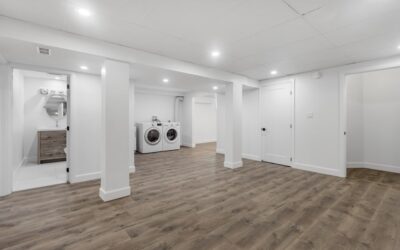
Matching the product to the room keeps you from overspending or under-building. Sheet vinyl excels in small, moisture-heavy utility spaces like laundry rooms, half baths, and mudrooms, where its near-seamless coverage shines. Peel-and-stick LVP is ideal for rentals, closets, small bathrooms, and quick weekend refreshes, especially over an already-smooth subfloor. Entry-level rigid-core SPC is the one to choose for living rooms, kitchens, basements, and hallways where you want a waterproof floor that also looks like real wood and survives years of traffic. For a whole-house budget refresh, many homeowners mix and match, using sheet vinyl in utility rooms and rigid-core in the main living areas.
How to Stretch a Tight Budget Further
A few moves get you more floor for less money. Buy during home-center sales and check for closeout or discontinued lots, which can slash the price on perfectly good product, just buy enough overage at once since you cannot reorder. DIY the installation; budget vinyl is among the most forgiving for first-timers, and labor is often the biggest line item. Prep the subfloor yourself to avoid paying for it, and reuse existing trim where you can. Finally, do not chase the absolute lowest sticker at the expense of a paper-thin wear layer; spending a little more for a 12-mil-plus surface often saves you from replacing the whole floor a few years early.
Final Take
The cheapest waterproof flooring is sheet vinyl, with peel-and-stick LVP close behind, and entry-level rigid-core SPC offering the best value once you weigh durability. Match the product to the room: sheet vinyl or peel-and-stick for small utility spaces and rentals, rigid-core click planks for living areas you want to last. Check the wear layer thickness, prep the subfloor properly, and remember that a slightly higher price often buys years of extra service.
Prefer to explore on your own?
See how new flooring looks in your actual room in seconds — free, no signup.
Try the free Floor Studio →