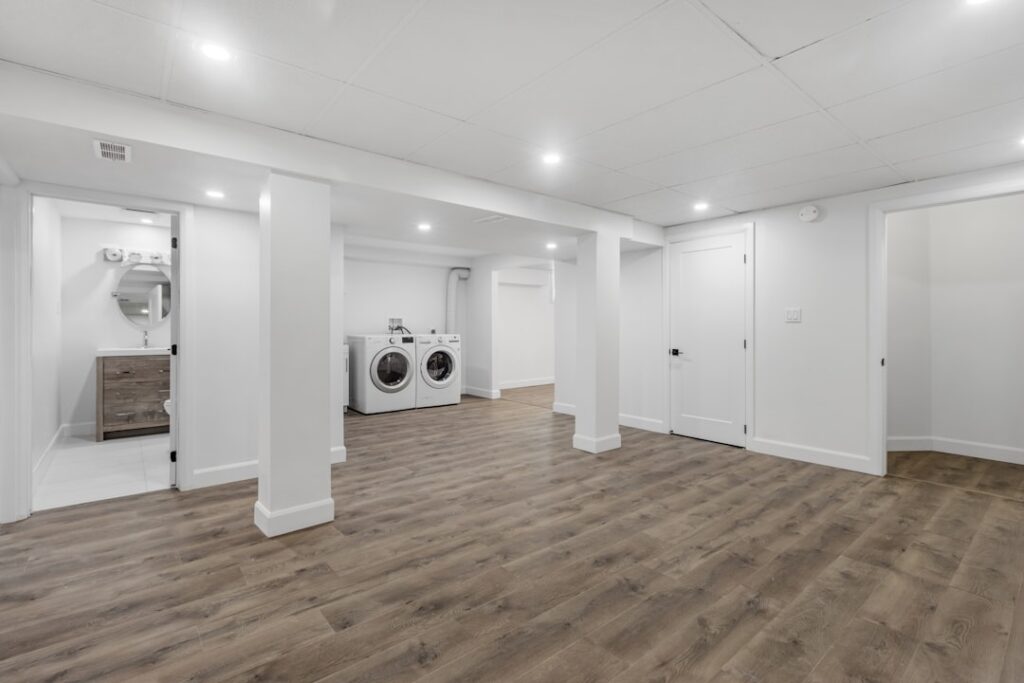
Basements are dark, cool, and prone to dampness, which makes them the most common place in a home for mold to take hold. Learning how to check for mold in basement spaces early can save you from costly repairs, lingering odors, and potential health issues for your family. The good news is that a careful inspection is something most homeowners can do themselves.
This guide walks you through the warning signs, where to look, the tools that help, and the crucial point at which you should stop and call a professional.
Why Basements Are Mold Magnets
Mold needs three things to grow: moisture, a food source, and time. Basements supply all three. They sit partly or fully below grade, so groundwater and humidity push moisture inward through concrete and block walls. Organic materials like drywall paper, wood framing, cardboard boxes, and carpet give mold plenty to feed on.
Add poor ventilation and the cool, stable temperatures basements maintain, and you have an ideal incubator. Mold can begin growing on a damp surface within 24 to 48 hours, which is why catching moisture problems quickly matters so much.
Early Warning Signs of Basement Mold
You can often detect a problem before you see obvious growth. Watch and sniff for these clues:
- A musty, earthy smell: often the very first sign, sometimes present even when no mold is visible.
- Visible growth: black, green, gray, or white patches and fuzzy spots on walls, floors, or stored items.
- Discoloration and staining: dark streaks or water rings on drywall, framing, or the foundation.
- Persistent dampness: condensation on walls and pipes, or a floor that feels cool and wet.
- Health symptoms: sneezing, coughing, itchy eyes, or worsened allergies that ease when you leave the basement.
Where to Look First
Mold likes to hide. A thorough check means going beyond the obvious open walls.
- Corners and wall-floor joints, where moisture collects and air circulates least.
- Behind and under stored items, especially cardboard boxes, furniture, and anything pushed against a wall.
- Around windows and window wells, common entry points for water and condensation.
- Near plumbing, water heaters, and HVAC units, where leaks and condensate drips are frequent.
- Behind drywall and under carpet or padding, where hidden growth often thrives unseen.
- Sump pump pits and floor drains, which stay damp by design.
Bring a bright flashlight and angle the beam across surfaces to reveal texture changes and faint staining you would otherwise miss.
Tools That Make the Job Easier
A few inexpensive tools turn guesswork into evidence.
Moisture Meter
A moisture meter is the most valuable tool for this task. Press it against walls, framing, and flooring to read the moisture content of the material. Wood above roughly 16 to 20 percent moisture is at real risk for mold. High readings point you to trouble spots even when nothing is visible yet.
Hygrometer
A hygrometer measures the relative humidity of the air. Aim to keep basement humidity below 50 to 60 percent. Readings consistently above that range tell you the environment favors mold and that you likely need a dehumidifier.
Flashlight and Mirror
A flashlight reveals texture and color changes, while a small mirror lets you inspect the backs of pipes, the undersides of joists, and tight corners without tearing anything apart.
Should You Test the Mold?
Many homeowners wonder whether they need a lab test. In most cases, the answer is no. If you can see mold, the next step is removal and fixing the moisture, not identifying the exact species. Testing kits and lab analysis are useful mainly when you need to confirm a suspected hidden problem, document a real estate or insurance dispute, or evaluate health concerns with a doctor’s guidance. Spend your money on solving the moisture source rather than on routine testing.
When to Handle It Yourself vs. Call a Pro
You can safely clean small areas of mold yourself, generally anything under about 10 square feet on a hard, non-porous surface. Wear an N95 respirator, gloves, and eye protection. Scrub the area with a detergent solution, dry it completely, and ventilate the space.
Call a professional remediation company when any of these apply:
- The affected area is larger than roughly 10 square feet.
- Mold has spread into drywall, insulation, carpet, or the HVAC system.
- The problem keeps returning after you clean it.
- There has been sewage or major flooding contamination.
- Anyone in the household has asthma, allergies, or a compromised immune system.
Professionals have containment, negative-air equipment, and the experience to remove mold without spreading spores throughout the house.
Fix the Moisture Source, Always
Here is the most important rule: cleaning mold without fixing the moisture is a waste of effort, because it will come right back. Once you have identified growth, hunt down and correct the water problem.
- Repair plumbing leaks and seal foundation cracks.
- Improve exterior drainage; extend downspouts at least 4 to 6 feet from the foundation and grade soil to slope away from the house.
- Run a dehumidifier to hold humidity under 50 percent.
- Insulate cold pipes to stop condensation drips.
- Ensure the sump pump works and add a backup if flooding is a risk.
How Often Should You Check?
Mold inspection is not a one-and-done chore. Make a habit of walking your basement at least twice a year, ideally in spring after snowmelt and in late summer when humidity peaks. Pay extra attention after any heavy rain, plumbing repair, or appliance leak, since those events introduce the moisture mold needs to bloom.
Keep a hygrometer running in the space so you can spot a creeping humidity problem before it becomes visible growth. If you notice the relative humidity climbing above 60 percent for days at a time, treat that as an early alarm and address ventilation or drainage right away. A few minutes of routine checking each season is far cheaper than remediation and structural repairs later.
Final Thoughts
Checking your basement for mold is a manageable task when you know the signs, look in the right places, and use a moisture meter to find hidden dampness. Tackle small, clean problems yourself, but call a pro for large areas or health concerns. Most importantly, fix the moisture source every time, because that is the only way to keep mold from coming back.