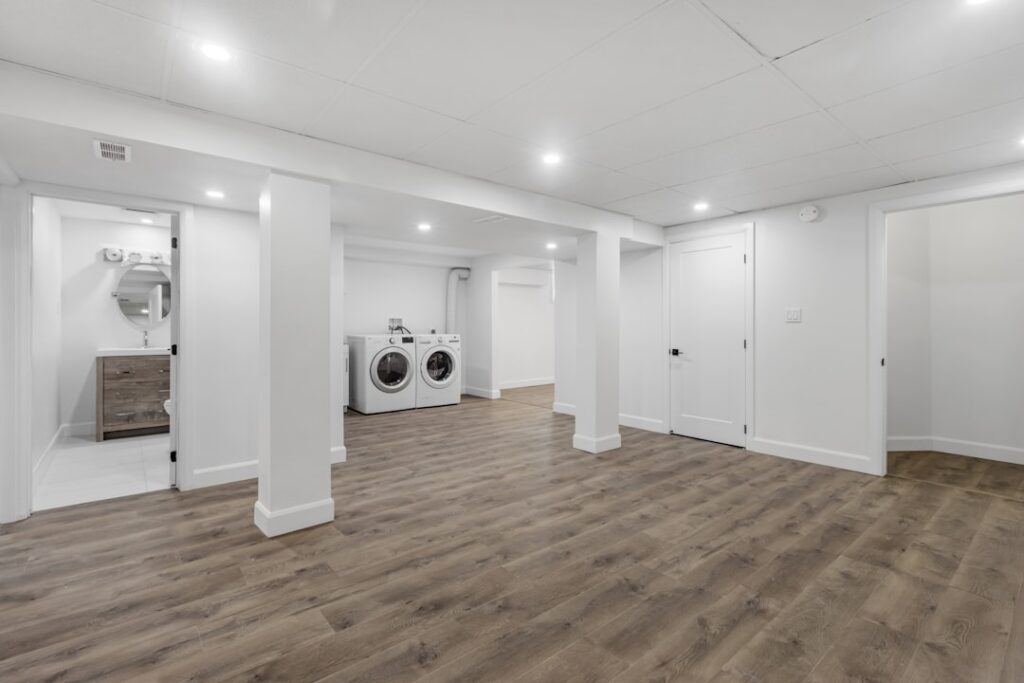
Mold needs only 24 to 48 hours of moisture to take hold, which is why basements, the dampest room in most homes, are ground zero for growth. Knowing how to treat mold in basement spaces correctly protects both your health and your home’s structure, but it has to be done in the right order. The single biggest mistake homeowners make is scrubbing away visible mold while ignoring the moisture feeding it, which guarantees it comes right back within weeks. Treat the cause first, then the symptom.
- Know When It's a DIY Job and When It Isn't
- Step 1: Fix the Moisture Source First
- Step 2: Gear Up With Proper Protection
- Step 3: Clean Non-Porous Surfaces
- Step 4: Remove Porous Materials You Can't Save
- Step 5: Dry Everything Completely
- How to Spot Mold Before It Spreads
- Why Bleach Isn't Always the Answer
- Step 6: Prevent It From Coming Back
- The Bottom Line
Know When It’s a DIY Job and When It Isn’t
This is the most important rule in the entire guide. The EPA advises that you can generally handle mold covering a contained area of less than 10 square feet (roughly a 3-by-3-foot patch) on your own. Anything larger, mold that keeps returning, mold inside HVAC systems, or any suspected toxic black mold (Stachybotrys, which appears dark green to black and often slimy) warrants a licensed mold remediation professional. If anyone in the home has asthma, severe allergies, or a compromised immune system, lean toward professional help even for smaller areas. When in doubt, get it tested before you disturb it.
Step 1: Fix the Moisture Source First
Mold cannot survive without water, so eliminating moisture is non-negotiable. Walk the basement and identify the source:
- Cracks in foundation walls or floors letting in groundwater
- A leaking water heater, washing machine, or pipe
- Poor exterior drainage and gutters dumping water against the foundation
- High humidity, which should stay below 50 percent
Seal cracks with hydraulic cement, repair leaks, extend downspouts at least 4 feet from the house, and run a dehumidifier rated for the basement’s square footage. A 50-pint dehumidifier ($200 to $250) handles most basements up to about 1,500 square feet. Skipping this step means every scrubbing session is temporary.
Step 2: Gear Up With Proper Protection
Disturbing mold sends spores into the air, so protect yourself before you start. At minimum, wear:
- An N95 respirator (or better) to keep spores out of your lungs
- Rubber or nitrile gloves that extend to mid-forearm
- Safety goggles without ventilation holes
- Old clothing you can wash in hot water or discard afterward
Open a window or set up a fan venting outward to keep air moving away from you, and seal off the work area from the rest of the house with plastic sheeting and tape so spores don’t drift upstairs.
Step 3: Clean Non-Porous Surfaces
For mold on hard, non-porous surfaces like concrete, sealed wood, metal, or glass, a detergent-and-water solution is the EPA’s first recommendation. Mix dish soap with warm water and scrub the area with a stiff brush. For tougher spots, undiluted white vinegar kills roughly 82 percent of mold species and is safer than bleach. Spray it on, let it sit an hour, then scrub and wipe.
If you choose bleach, use a solution of 1 cup bleach per gallon of water, never mix it with ammonia or vinegar, and ventilate aggressively. Bleach works on surfaces but doesn’t penetrate porous materials, which leads to the next point.
Step 4: Remove Porous Materials You Can’t Save
Mold sends roots deep into porous materials, so surface cleaning won’t save them. Drywall, carpet, carpet padding, ceiling tiles, and insulation that have been soaked and contaminated need to be cut out and discarded. Bag the material in heavy-duty plastic, seal it, and carry it directly outside rather than dragging it through the house. Replacing a few feet of drywall is cheaper and far healthier than trying to disinfect a material that holds spores in its core.
Step 5: Dry Everything Completely
After cleaning, the area must dry fully or mold returns. Run fans and the dehumidifier for at least 24 to 48 hours. Check that the surface is bone-dry to the touch before sealing anything or replacing materials. A moisture meter (about $25) confirms the substrate has dropped to a safe level rather than just feeling dry on the surface.
How to Spot Mold Before It Spreads
Catching mold early keeps a 2-square-foot patch from becoming a 20-square-foot remediation project. Walk your basement every few weeks and look for the telltale signs: fuzzy or slimy patches in green, black, white, or gray; dark staining on drywall, joists, or concrete; and that distinctive musty, earthy odor that often appears before you see anything. Pay special attention to corners, behind stored boxes, around windows, near the water heater, and at the base of exterior walls where condensation collects. A musty smell with no visible growth often means mold is hiding behind drywall or under carpet, so investigate rather than ignore it.
Why Bleach Isn’t Always the Answer
Many homeowners reach straight for bleach, but it has real limitations on porous surfaces. Bleach is mostly water, and while the chlorine kills surface mold, the water content can actually soak into porous materials like wood and drywall and feed the mold roots underneath. That’s why the EPA recommends plain detergent and water, or removal, for porous materials rather than bleach. Bleach is best reserved for non-porous surfaces like concrete, glass, tile, and sealed metal. When you do use it, never combine it with ammonia or vinegar, because the resulting fumes are genuinely dangerous in an enclosed basement.
Step 6: Prevent It From Coming Back
Keep the basement humidity below 50 percent year-round with a dehumidifier and a hygrometer to monitor it. Improve airflow, insulate cold pipes that sweat, and consider a mold-resistant primer or paint on cleaned concrete walls. Inspect after every heavy rain for new seepage. Maintaining dry conditions is the only permanent solution, because no amount of scrubbing matters if the water keeps coming back.
The Bottom Line
Done right, learning how to treat mold in basement areas comes down to a simple sequence: fix the moisture, protect yourself with an N95 and gloves, clean or remove the affected materials, dry thoroughly, and prevent recurrence. Respect the 10-square-foot limit, never gamble with suspected black mold, and call a remediation specialist whenever the scope, the type, or your health raises the stakes.