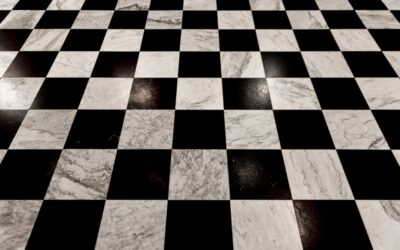
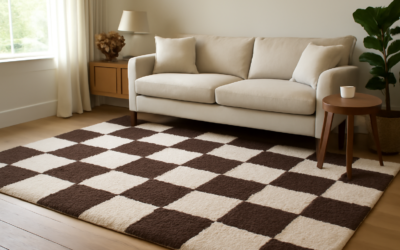
The checkerboard pattern has swung from mid-century diners to high-end design showrooms, and right now it is everywhere. A checker rug taps into that retro-meets-modern energy, grounding a room with bold graphic rhythm that feels both nostalgic and fresh. The catch is that a strong pattern like this can easily tip from charming to chaotic. Choose the scale, color, and placement carefully and a checkerboard rug becomes the most confident piece in the room.
Why the Checkerboard Is Back
Checkerboard never truly disappeared, but it surged again as designers embraced playful, maximalist touches and a revival of mid-century and 1970s aesthetics. The pattern reads as both timeless and trendy: it nods to classic checkered floors while feeling current alongside curved furniture, warm woods, and earthy palettes. Its simplicity is part of the appeal. A two-tone grid is graphic without being fussy, which makes it surprisingly versatile across many decor styles.
Choosing the Right Scale
Square size dramatically changes the personality of a checker rug, so decide on scale before color.
- Large squares: Bold, modern, and architectural. They make a strong statement and work well in open, contemporary spaces.
- Medium squares: The most versatile, balancing impact with restraint. A safe starting point for most rooms.
- Small squares: Read as more textured and detailed from a distance, almost like a tweed. Good for those who want the pattern subtle.
In a small room, oversized checks can feel overwhelming, while in a large open space, tiny squares can get lost. Match the scale to the room and to how much you want the rug to dominate.
Color Combinations That Work
The two-tone nature of checkerboard makes color choice critical. High contrast feels bold; tonal pairings feel soft.
- Black and white: The classic, high-impact option. Crisp, graphic, and at home in modern, eclectic, and retro rooms.
- Cream and tan or beige: A soft, tonal take that brings the pattern without the visual punch. Perfect for calmer, neutral interiors.
- Earth tones: Rust, olive, mustard, and terracotta paired with cream lean warm and organic, ideal for boho spaces.
- Muted pastels: Sage, dusty blue, or blush with off-white feel playful yet gentle, great for nurseries and creative spaces.
Picking the Right Material
Where you place the rug should drive the fiber you choose.
- Wool: Soft, durable, and stain-resistant. The premium pick for living rooms and bedrooms.
- Cotton flatweave: Lightweight, often machine washable, and affordable, perfect for kitchens, kids’ rooms, and casual spaces.
- Polypropylene: Tough, fade-resistant, and easy to clean, well suited to entryways and high-traffic zones.
- Jute or natural-fiber blends: Add an earthy texture that softens the graphic pattern for boho and coastal rooms.
Where to Use a Checker Rug
This pattern is more flexible than it first appears. In a kitchen, a washable checker rug or runner nods to classic checkered tile floors and adds a vintage diner charm. In a living room, a large checkerboard grounds neutral furniture and becomes the focal point. Entryways and mudrooms benefit from a durable, easy-clean checker mat that hides dirt while making a strong first impression. In a kid’s room or playroom, the pattern feels fun and energetic without being juvenile.
How to Style It Without Overdoing It
The golden rule with a bold pattern is to let it lead and keep everything else calm. Surround a checker rug with solid-colored furniture and simple textiles so the grid stays the star. If you love pattern mixing, pair it with organic, non-geometric prints like florals or abstract shapes rather than competing stripes or plaids, which can clash with the rigid grid.
Texture is your friend. Combining a graphic checker rug with soft, tactile elements such as a chunky knit throw, a leather chair, or woven baskets balances the crisp pattern with warmth. In smaller doses, a checker runner or accent rug delivers the trend without committing the entire floor to it.
Sizing Guidelines
As with any rug, size it generously. In a living room, the rug should sit under at least the front legs of your seating, which usually means an 8-by-10 or larger. In a dining area, ensure chairs remain on the rug when pulled out. For kitchens and hallways, runners and 3-by-5 accent sizes work well. A checker rug that is too small will look like an afterthought floating in the middle of the floor, which undercuts the bold, intentional look the pattern is meant to create.
Decor Styles That Love Checkerboard
Part of the checkerboard’s staying power is how many design styles claim it. In a modern or contemporary room, a black-and-white checker rug adds graphic punch against clean lines and neutral furniture. Mid-century and retro spaces embrace it as a direct nod to the era’s diners and op-art sensibility, pairing it with warm woods and bold accents. Boho and eclectic interiors use earth-toned or muted checkerboards layered with plants, texture, and collected pieces for a relaxed, lived-in feel.
The pattern even works in farmhouse and cottage settings when rendered in soft, faded colors like cream and sage, where it reads as charming rather than loud. Scandinavian rooms lean on tonal or black-and-white versions for a playful but restrained accent. Because the grid is so simple, it adapts to whatever palette and mood you build around it, which is exactly why designers keep returning to it across such different aesthetics.
Round and Runner Variations
While the classic checker rug is a rectangle, the pattern translates surprisingly well to other shapes. A round checkerboard rug softens the rigid grid and makes a fun focal point under a pedestal table or in a reading nook. Runners carry the checkerboard down hallways, along kitchen galleys, and in entryways, where the repeating squares reinforce the length of the space and feel intentional. Smaller checker accent rugs and doormats let you test the trend in a low-commitment spot before deciding whether to go bigger. Whatever shape you choose, keep the square scale in proportion to the rug size so the pattern stays balanced rather than cramped or oversized.
Caring for Your Checker Rug
Maintenance depends on the fiber, but a few habits keep any checker rug looking sharp. Vacuum regularly to maintain the crisp pattern, and rotate the rug periodically so it wears and fades evenly, especially the lighter squares near sunny windows. Blot spills immediately rather than rubbing them in. Use a rug pad to prevent slipping, add cushion, and reduce friction that flattens the pile. For washable cotton versions, check the care label, since many smaller checker rugs can go straight into the machine.
Final Word
A checker rug is a fun, confident way to bring graphic personality into your home, and it suits far more styles than its retro roots suggest. Choose the square scale that fits your room, pick a color combination that matches the energy you want, and keep the surrounding decor simple so the pattern shines. Get those choices right and the checkerboard becomes a timeless, eye-catching foundation rather than a passing trend.