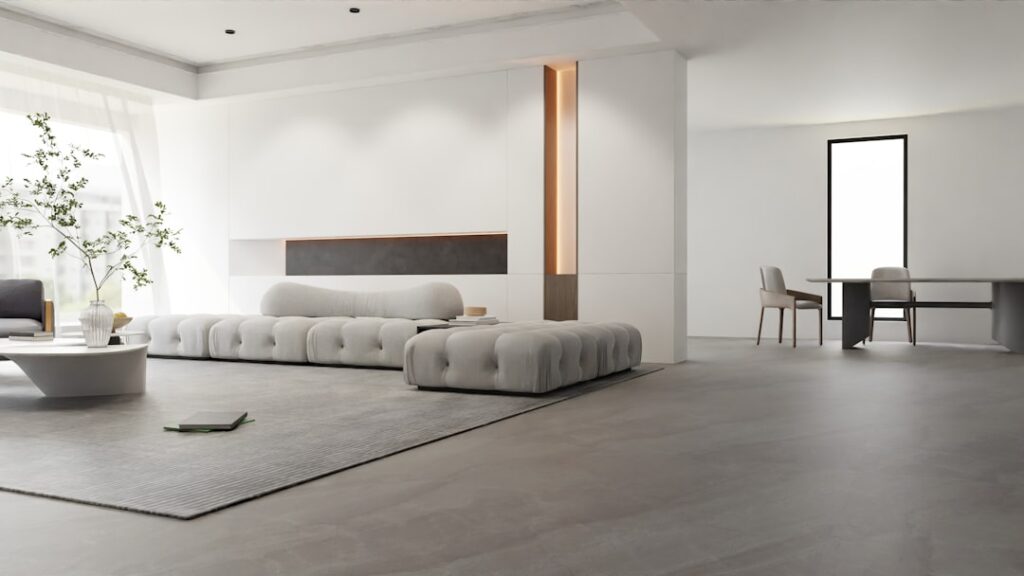
Few flooring choices turn heads like a sharp, continuous zig-zag running down a hallway, and chevron LVP delivers that designer look at a fraction of real hardwood cost. In short, chevron LVP is luxury vinyl plank cut and installed so the plank ends meet at a precise angle, forming clean, unbroken V-shapes across the floor. It borrows a pattern that has decorated European parquet floors for centuries and pairs it with the waterproof, budget-friendly, easy-care nature of modern vinyl.
If you love the arrow-point look but want a floor that survives kids, dogs, and a leaky dishwasher, this guide walks you through what chevron LVP is, how it differs from herringbone, real pricing, and how to install it without the pattern drifting off angle.
What Makes a Floor Chevron LVP
Chevron is a pattern, not a product. You start with luxury vinyl planks, then arrange them so each row points toward the center of the floor, creating a series of perfect V’s. The signature detail is the joint: in a true chevron, the ends of the planks are cut at an angle, usually 45 degrees, so two planks meet point-to-point in a straight, continuous line down the room.
You can buy chevron in two ways. Some manufacturers sell pre-cut, angled planks designed specifically for the pattern, which removes the guesswork. Others let you create the effect from standard rectangular planks by mitering the ends yourself. Pre-cut sets cost more per square foot but save hours of cutting and produce a crisper result, especially for a first-timer.
Chevron vs. Herringbone: Know the Difference
People use these terms interchangeably, and they are not the same. The distinction changes the look, the cutting, and the amount of waste you buy.
- Chevron: Plank ends are cut at an angle and meet point-to-point, forming a continuous, seamless zig-zag with an unbroken center line. The effect is sleek and modern.
- Herringbone: Planks are left rectangular, and the end of one plank butts against the side of the next at a 90-degree angle, creating a broken, staggered zig-zag. It reads as more traditional.
Because chevron requires angled cuts, it wastes more material and demands more precision. Herringbone uses square-cut planks, so it is more forgiving for a DIY install. If you want that razor-clean arrow, chevron is worth the extra effort; if you want the classic parquet feel with less fuss, herringbone is your friend.
Why Choose Chevron LVP Over Hardwood
Real chevron hardwood is stunning and expensive, often running $12 to $25 per square foot installed before you factor in the specialty labor. Chevron LVP captures nearly the same visual with practical advantages that matter in a real home.
- Waterproof: Quality SPC and WPC vinyl planks are 100 percent waterproof, so kitchens, bathrooms, and basements are fair game.
- Durable: A tough wear layer, typically 12 to 20 mil in residential goods, resists scratches from pet claws and dropped toys.
- Warm and quiet: Vinyl feels warmer underfoot than tile and, with an attached or added pad, dampens sound.
- Easy to maintain: No refinishing, no waxing. Sweep, damp-mop, done.
You lose the ability to sand and refinish that solid wood offers, and a truly premium engineered hardwood still looks a hair richer up close. For most families, the waterproof toughness wins.
Chevron LVP Cost per Square Foot
Materials for chevron-ready luxury vinyl plank generally run $3 to $8 per square foot, with pre-cut angled sets sitting at the higher end. Budget click-lock lines start near $3, while thick SPC planks with a stone-polymer core and a heavy wear layer reach $6 to $8.
Installation is where chevron gets pricier than a standard straight-lay floor. Expect $3 to $6 per square foot in labor because the angled layout is slower and more exacting, compared with $1.50 to $3 for a plain install. Add 10 to 15 percent extra material for cutting waste, more than the usual 5 to 10 percent, since angled cuts create off-cuts you cannot always reuse.
For a 200-square-foot room, a realistic installed budget lands between $1,400 and $2,800. Doing the labor yourself can cut that nearly in half, but only attempt it if you are comfortable with a miter saw and patient with layout.
How to Install Chevron LVP
Getting the pattern right starts with the layout, not the first plank. Find the exact center of the room and snap a chalk line down the middle. That center line becomes the spine your V-points align to, and if it drifts, the whole floor drifts with it.
- Acclimate the planks in the room for 48 hours so they adjust to temperature and humidity.
- Prep the subfloor until it is clean, dry, and flat within 3/16 inch over 10 feet. Chevron is unforgiving of dips.
- Snap your center line and dry-lay the first several rows before locking anything down.
- Build outward from the spine, checking each V-joint with a speed square as you go.
- Leave a 1/4-inch expansion gap at every wall, then cover it with baseboard or quarter-round.
Pro tip: label your left-facing and right-facing planks with painter’s tape before you start. Grabbing the wrong orientation is the single most common mistake, and it is far easier to sort them upfront than to pry up a locked plank. Keep a sharp utility knife and spare blades handy, since dull blades tear vinyl at the angled cuts and leave ragged points that ruin the crisp V. Change the blade every 30 to 40 cuts to keep every joint clean.
Design Tips for Chevron Floors
Pattern this bold rewards a few smart choices. Point the V’s toward the main entrance or a focal window so the eye follows the arrows into the room, which visually lengthens a narrow hallway. Wider planks, in the 6- to 7-inch range, create a grander, more contemporary chevron, while narrow 3-inch planks lean traditional and busy.
Color plays into the effect too. High-contrast tones exaggerate the zig-zag for a dramatic statement floor, whereas soft, low-contrast oak reads as elegant and calm. In an open floor plan, run the chevron in one consistent direction across the whole level so the space feels unified rather than chopped into zones.
Think about grout-free transitions as well. Because chevron carries so much visual movement, keep walls, cabinetry, and rugs relatively simple so the floor stays the star. A busy patterned rug fighting a bold chevron makes a room feel chaotic. Border treatments help in larger rooms: some designers frame a chevron field with a straight-lay plank border along the walls, which gives the pattern a clean edge and hides the awkward angled cuts at the perimeter.
Is Chevron LVP Worth It?
Chevron LVP is worth it when you want a high-end, architectural floor without hardwood’s price, upkeep, or water worries. It shines in entryways, open living areas, and long hallways where the pattern can stretch out and do its work. Expect to pay a premium over straight-lay vinyl, both in material waste and in labor, and budget accordingly.
Choose a plank with a stone-polymer core and at least a 12-mil wear layer, buy extra for angled cuts, and either hire an installer experienced with angled patterns or give yourself a full weekend and a good miter saw. Done right, chevron LVP gives you a showpiece floor that looks like custom parquet, cleans up in minutes, and laughs off spills for 20 years or more.
Prefer to explore on your own?
See how new flooring looks in your actual room in seconds — free, no signup.
Try the free Floor Studio →