Walk through any garden center in summer and you’ll see plants labeled “citronella” and “lemongrass” sitting side by side, both promising to keep mosquitoes off your patio. Most shoppers assume they’re the same plant, or close cousins with the same job. The truth of citronella vs lemongrass is messier and more interesting: the word “citronella” gets slapped on two completely different plants, only one of which is actually related to lemongrass, and the fragrant “mosquito plant” sold at big-box stores is neither. Understanding the real botany saves you money, corrects a stubborn myth, and tells you which plant belongs in your kitchen versus your flower bed. Let’s untangle it.
The Botanical Confusion, Cleared Up
The core problem is that “citronella” refers to at least two unrelated plants:
- True citronella grass (Cymbopogon nardus and Cymbopogon winterianus): a tall tropical grass in the same genus as lemongrass. This is the real source of citronella oil used in candles and repellents.
- The “citronella plant” or “mosquito plant” (Pelargonium citrosum): not a grass at all — it’s a scented geranium, bred to smell citronella-like. It’s the leafy plant with lacy leaves sold in pots as a mosquito repellent, and it’s botanically unrelated to both citronella grass and lemongrass.
Lemongrass (Cymbopogon citratus) is a third player — a grass in the same Cymbopogon genus as true citronella grass, which is why they look nearly identical and share a lemony aroma. So the real family tree is: lemongrass and true citronella grass are close relatives (both Cymbopogon grasses), while the “citronella plant” at the garden center is a geranium wearing a marketing costume.
How to Tell Them Apart
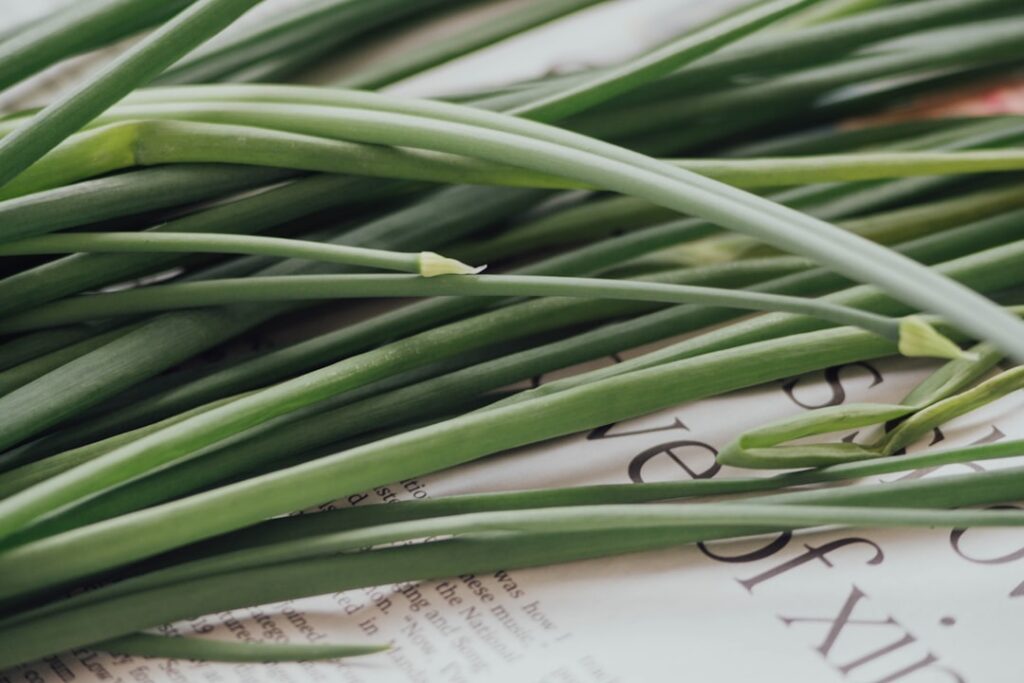
If you’re standing over the plants, here’s how to identify each. Lemongrass and true citronella grass both grow as dense clumps of tall, arching blade-like grass, 3 to 6 feet tall, with a strong citrus scent when you crush a blade. True citronella grass tends to have a reddish or magenta tint at the base of the stalks, while culinary lemongrass has plumper, paler bulbous bases. The “citronella plant” geranium, by contrast, has soft, deeply cut green leaves on branching woody stems and small flowers — clearly a broadleaf plant, not a grass. If it has leaves rather than blades, it’s the geranium, not real citronella.
The Mosquito-Repellent Myth
Here’s the part that surprises people. The “citronella plant” geranium, despite being marketed almost entirely as a mosquito repellent, does very little to repel mosquitoes as a living plant. Research has repeatedly found that simply having the plant nearby provides minimal protection — mosquitoes are largely undeterred by it sitting on your patio.
The repellent effect people associate with citronella comes from citronella oil, the concentrated essential oil distilled from true citronella grass (Cymbopogon nardus/winterianus), and even that oil offers only short-lived, modest protection compared to proven repellents like DEET or picaridin. Crushing a lemongrass or citronella grass blade and rubbing the aromatic oils on your skin gives a brief, mild effect. But the intact plant — grass or geranium — is not a mosquito force field. If you want real protection, use an EPA-registered repellent and eliminate standing water; treat these plants as fragrant landscaping, not pest control.
Culinary Use: Only One Belongs in Food
This is where the two grasses diverge sharply. Lemongrass (Cymbopogon citratus) is the culinary star — its tender inner stalk flavors Thai, Vietnamese, and Southeast Asian dishes, curries, soups like tom yum, teas, and marinades. It’s food-safe and delicious.
True citronella grass (Cymbopogon nardus) is not used for cooking — its oil profile is harsher and it’s grown for industrial oil extraction, not the pot. And the citronella geranium is strictly ornamental. So the rule is simple: cook with lemongrass, never with citronella. If you’re buying a plant to flavor food, make absolutely sure the tag says lemongrass or Cymbopogon citratus.
Growing Needs Compared
All three love warmth, but their care differs:
- Lemongrass and citronella grass: tropical grasses hardy in USDA zones 9 to 11, grown as annuals or overwintered indoors in colder zones. They want full sun, rich moist soil, and regular water, and they can reach 3 to 6 feet in a single season. Both are heavy feeders and clump vigorously.
- Citronella geranium (Pelargonium citrosum): treated like other scented geraniums — full to partial sun, well-drained soil, moderate water, and protection from frost. It stays smaller and bushier, 1 to 3 feet, and does well in containers.
For cold-climate gardeners, all three are frost-tender and need to come inside or be replanted each year.
Harvesting and Using Lemongrass
If you plant lemongrass for the kitchen, harvesting is simple and the plant regrows readily. Wait until stalks are at least a foot tall and a half-inch thick at the base, then cut or twist off an outer stalk right at ground level — take from the outside of the clump and leave the center to keep producing. The tender, pale lower few inches of the stalk are the culinary part; peel away the tough outer layers and either mince the soft core or bruise the whole stalk and drop it in soups and curries to infuse, fishing it out before serving.
Lemongrass freezes beautifully, so a single plant can supply you year-round. Chop the usable stalk bases, freeze them in a bag, and pull out what you need. You can also dry the leafy blades for a bright, citrusy tea. In cold climates, dig up a clump before the first frost, pot it, and overwinter it on a sunny windowsill, or simply take a few stalks with roots intact and start new plants in water. Store-bought lemongrass stalks with a bit of base will even root in a glass of water and can be planted out come spring.
Other Plants That Actually Repel Mosquitoes
Since neither citronella nor lemongrass is the mosquito shield people hope for, it’s worth knowing what does help. The honest answer is that no plant sitting in a bed repels mosquitoes meaningfully — the aromatic oils have to be released and concentrated near your skin to do anything. Plants whose crushed leaves carry genuine mosquito-repelling compounds include catnip (surprisingly effective in studies), lemon balm, basil, marigolds, lavender, and rosemary, along with the Cymbopogon grasses themselves.
The practical way to use any of them is to crush a handful of leaves and rub the oils on exposed skin for short-term, modest protection, or to toss aromatic stems on a fire pit so the smoke carries the scent. But treat all of this as a mild supplement, not a solution. The reliable defenses remain eliminating standing water where mosquitoes breed, running a fan on your patio since mosquitoes are weak fliers, wearing long sleeves at dusk, and applying an EPA-registered repellent with DEET, picaridin, or oil of lemon eucalyptus when the bugs are bad. Plant lemongrass and citronella for their looks and their scent; reach for real repellent for your skin.
Container Growing and Overwintering Details
For most gardeners north of USDA zone 9, these plants live in pots, and pot size shapes how well they perform. A single lemongrass or citronella grass clump wants at least a 5-gallon container, ideally 7 to 10 gallons by midsummer, because a vigorous clump can send up dozens of stalks and quickly becomes root-bound in anything smaller. Use a rich, free-draining potting mix, feed every two to three weeks with a balanced fertilizer around 10-10-10, and keep the soil consistently moist, since these are thirsty tropical grasses that wilt fast when they dry out. The citronella geranium, being smaller at 1 to 3 feet, is happy in a 1 to 3-gallon pot with a lighter watering hand and prefers its mix to dry slightly between drinks, the opposite of the grasses.
Overwintering is the part cold-climate growers get wrong most often. All three are frost-tender and die back below about 30 degrees Fahrenheit, so bring pots indoors before the first frost when nights drop into the 40s. Set the grasses in the sunniest window you have or under a grow light, cut the blades back to roughly 6 inches to reduce transpiration, and water sparingly through the low-light months, since a dormant plant in cool soil rots easily if kept soggy. The geranium overwinters much like a houseplant, tolerating a cool, bright room and minimal water. Come spring, wait until nighttime lows stay reliably above 50 degrees before moving any of them back outside, and harden them off over a week to prevent sun scorch on the tender new growth.
It’s also worth clearing up the label confusion one more time, because it’s where money gets wasted. When you shop, read the botanical name on the tag, not just the common name on the front. Cymbopogon citratus is culinary lemongrass. Cymbopogon nardus or winterianus is true citronella grass. Pelargonium citrosum is the scented geranium marketed as the mosquito plant. Three different plants, three different jobs, and a garden center that will happily sell you the wrong one for what you had in mind. If the tag only says citronella with no Latin name, look at the plant itself — grass blades mean a Cymbopogon, soft lobed leaves mean the geranium.
The Verdict: Which to Plant
Choose based on what you actually want. If you want to cook with it, plant lemongrass (Cymbopogon citratus) — it’s the only edible one and it doubles as attractive ornamental grass. If you want a fragrant, drought-adjacent ornamental grass for a sunny bed and don’t care about eating it, true citronella grass works and has that classic citronella scent. If you want the leafy potted “mosquito plant,” go in with clear eyes: the citronella geranium is a pleasant, lemon-scented patio plant, but don’t buy it expecting real mosquito protection. In the citronella vs lemongrass question, the practical answer for most home gardeners is lemongrass — it’s the most useful, the tastiest, and just as good-looking as its aromatic relatives, while none of these plants replaces a proper repellent for keeping bugs off your skin.