When homeowners decide to invest in a custom storage system, two national names come up again and again, and choosing between them isn’t obvious. The Closet Factory vs California Closets decision comes down to differences in customization philosophy, materials, price tier, and how each company runs its design and installation process. Both are established, reputable custom closet brands with showrooms and in-home design services across the country, so the right pick depends on what you value most rather than one being clearly superior.
Two Established Custom Closet Brands
Both companies have been in the custom organization business for decades and operate on a similar model: a designer visits your home, measures the space, designs a system, and a crew installs it. They both handle reach-in closets, walk-ins, garages, pantries, home offices, and more. Because both are premium, made-to-order brands, neither competes with flat-pack or big-box closet kits on price; you’re paying for design expertise and a system built to your exact space.
That shared foundation means the comparison is about nuance. The differences in approach, material options, and pricing structure are what will steer you toward one or the other.
Customization and Design Approach
Customization is where the brands draw their sharpest distinction. Closet Factory leans into the idea of being highly bespoke, often emphasizing that systems are built to order rather than assembled from preset modules, which can mean more flexibility for unusual spaces and specific requests. If you have an oddly shaped room or a very particular vision, this fully-custom positioning can be appealing.
California Closets is known for a strong, design-forward aesthetic and a polished, consultative process backed by a large catalog of finishes and accessories. Many shoppers find its showrooms and design presentation especially refined. Both deliver custom results; the difference is more about emphasis, with one stressing build-to-order flexibility and the other stressing curated design and finish breadth. The quality of your individual local designer often matters as much as the brand.
Materials and Construction
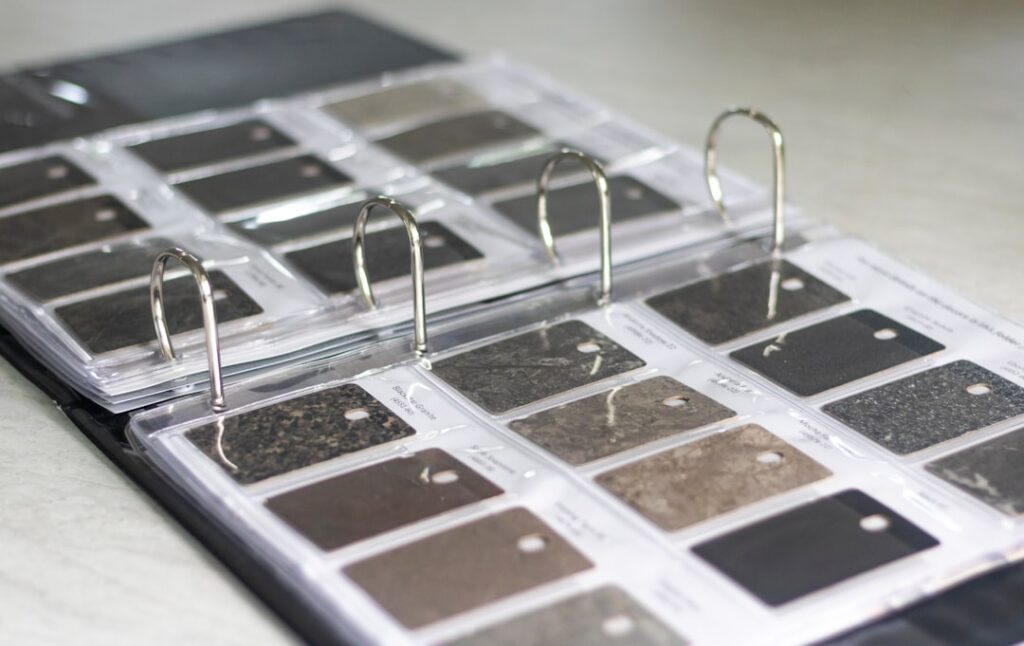
Both companies offer a tiered range of materials so you can match quality to budget:
- Laminate (melamine) systems are the standard, durable and available in many colors and woodgrain looks at the more accessible end of each brand’s range.
- Thermally fused and textured laminates step up the look and feel for a mid-tier choice.
- Wood veneer and solid wood options sit at the premium end for a true furniture-grade appearance.
You’ll also find a similar menu of upgrades from both: soft-close drawers, pull-out accessories, integrated lighting, glass-front doors, valet rods, and specialty hardware. Construction quality from either is generally solid, and both back their work with warranties. Confirm the specific warranty terms and material grades during your consultation, since offerings can vary by region.
Pricing and Value
Both brands sit firmly in the premium, custom price tier, well above DIY kits, and exact pricing varies enormously by project size, material, and accessories, so no honest comparison can quote fixed figures. A simple reach-in closet is a modest project, while a fully outfitted walk-in with wood veneer, lighting, and island can run into many thousands of dollars from either company.
In broad terms, the two are competitive with each other, and the final number depends far more on the materials and add-ons you choose than on the logo. To compare fairly, request itemized quotes from both for the identical scope, the same closet, the same material grade, and the same accessories, and read exactly what’s included. That apples-to-apples approach reveals the real cost difference for your specific project.
The Process and Experience
The buying experience is similar in structure but can feel different in execution. Expect this general flow from both:
- A free in-home or virtual consultation where a designer measures and discusses your needs
- A 3D design rendering so you can visualize the system before committing
- A detailed quote and material selection
- Manufacturing of your components
- Professional installation by the company’s crew
Because both rely on local franchises or regional offices, the responsiveness, design talent, and installation quality you actually receive can vary by location. Reading recent local reviews for the specific showroom serving your area is one of the most useful things you can do.
Comparing the Alternatives
Before settling on either premium brand, it’s worth understanding the wider market so you know what you’re paying for. The custom closet landscape runs across a few tiers, and both of these companies sit at the higher end:
- DIY kits from home centers are the cheapest, with pre-sized components you install yourself. Limited flexibility, but a fraction of the cost.
- Semi-custom systems, including some online configurators and certain home-center design services, offer more options than kits at a mid-range price.
- Full custom brands like Closet Factory and California Closets, where a designer creates a system built specifically for your space and installs it professionally.
If your needs are simple and your budget tight, a kit or semi-custom system may serve you well. The two national brands earn their premium when you have a complex space, want a polished design, or value the convenience of a turnkey, professionally installed result with a warranty behind it.
What to Ask in Your Consultation
Whichever brands you invite to bid, come prepared with questions so you can compare them fairly. Ask each designer the same things: What material grade is this quote based on? Is the installation done by employees or subcontractors? What does the warranty cover and for how long? What’s the lead time from order to install? And can you see the exact finish and hardware samples in person?
Pinning both companies to the same questions, and the same project scope, is the only way to get an honest comparison. Vague answers or pressure to decide on the spot are worth noting. A confident, transparent designer who answers clearly is often a sign of the smoother experience you’ll have through the rest of the project.
How to Choose Between Them
There’s no universal winner; the better brand is the one that fits your project and clicks with your local team. Lean toward whichever offers the finishes you love, the design rapport you trust, and the more transparent quote for your exact scope. Get both companies to bid the same project, compare materials and inclusions line by line, and check local reviews.
Whether you go with Closet Factory or California Closets, you’re choosing a premium custom system that should outlast and outperform any kit. Make the decision on the details that matter to you: the materials, the design, the price for identical scope, and the people you’ll actually be working with.