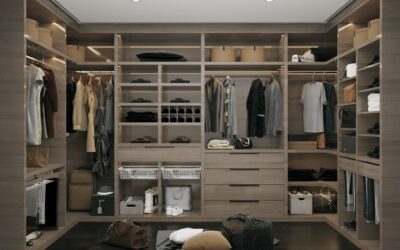
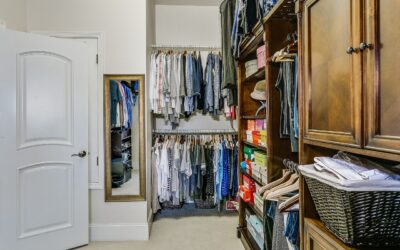
The entry closet works harder than any storage space in the house, which is exactly why coat closet organization falls apart so fast, buried under coats, backpacks, umbrellas, and a single overloaded rod. Good coat closet organization is not about buying more bins; it is about assigning every category of gear a dedicated zone and using the closet’s full vertical height, which most people waste entirely. This guide covers assessing your space, choosing the right systems, and building a layout that stays organized because everything finally has a home.
- Start by Emptying and Sorting
- Measure and Map Your Zones
- Add a Second Rod and Adjustable Shelving
- Solve the Shoe Problem
- Use Hooks, Bins, and the Door
- A Family-Friendly Drop Zone
- Maintain the System
- Budget and Payoff
- Organizing a Small or Shallow Closet
- Seasonal Rotation Strategy
- Budget-Friendly Versus Custom Solutions
Start by Emptying and Sorting
You cannot organize what you cannot see, so pull everything out first. Lay it all out and sort into keep, relocate, donate, and toss piles. Entry closets accumulate items that belong elsewhere, such as off-season coats, sports gear, and forgotten single gloves.
Keep only what belongs at the entry: current-season outerwear, everyday shoes, bags you grab daily, and a small stash of accessories. Move out-of-season coats to a bedroom closet or under-bed storage. This edit alone often frees up half the closet and reveals how much space you actually have to work with.
Measure and Map Your Zones
Grab a tape measure and record the closet’s width, depth, and height, including the space above the standard single rod, which usually leaves 20 inches or more of dead air near the ceiling. That upper zone is prime storage most closets waste.
Plan distinct zones based on what you store:
- Hanging zone: coats and jackets on a rod
- Shoe zone: floor rack or bins for everyday footwear
- Accessory zone: hats, gloves, scarves in bins or a hanging organizer
- Overhead zone: a shelf for seasonal or bulky items like extra blankets
- Bag zone: hooks for backpacks and totes
Mapping zones before you buy anything prevents the classic mistake of installing organizers that do not fit your actual belongings.
Add a Second Rod and Adjustable Shelving
The highest-impact upgrade is doubling your hanging capacity. If your coats are mostly short jackets, install a second rod below the first to create two hanging levels, instantly doubling coat storage. A tension rod or a hanging double-rod extender from ClosetMaid costs $15 to $30 and needs no tools.
Replace a single fixed shelf with an adjustable wire or wood shelving system so you can tune the heights to your gear. Systems like ClosetMaid ShelfTrack or the Elfa system from The Container Store let you reconfigure rods, shelves, and baskets on a track for $100 to $400 depending on closet size. For a budget build, individual wire shelves and standards from the hardware store accomplish much of the same for under $80.
Solve the Shoe Problem
Shoes are the fastest source of entry-closet chaos because they pile up on the floor. A dedicated shoe solution keeps them contained and visible. A two- or three-tier shoe rack sitting on the closet floor holds six to twelve pairs and lifts them off the ground.
For families, a taller shoe cubby or an over-the-door shoe organizer with clear pockets works better, giving each person or shoe type its own slot. In tight closets, a slim rotating shoe tree or stackable shoe boxes make use of vertical space. Whatever you choose, keeping shoes off the floor stops the sprawl and makes vacuuming the closet possible again.
Use Hooks, Bins, and the Door
Hooks are the unsung hero of entry organization because they make hanging a bag effortless, which means people actually do it. Mount a row of sturdy hooks on the closet’s side wall or inside face for backpacks, purses, dog leashes, and reusable bags. Command hooks work for light items, but screw-mounted hooks handle heavy backpacks without failing.
Labeled bins on the shelf corral small accessories by category, so hats live in one bin and gloves in another. Clear or labeled bins beat opaque ones because you can find things at a glance. Do not forget the back of the door, which fits an over-the-door organizer for scarves, umbrellas, or kids’ mittens.
A Family-Friendly Drop Zone
If your entry closet serves a busy household, build in a drop zone that matches how people actually come home. Assign each family member a hook and a bin at a reachable height, including low hooks kids can reach so they hang their own coats and bags.
A small basket for outgoing items, such as library books or dry cleaning, keeps the closet functional rather than a black hole. The principle is simple: the easier a system is to use, the more likely it stays organized. Overly complex systems get abandoned within weeks.
Maintain the System
Even a perfect layout drifts without a light routine. Do a quick reset every season, swapping heavy winter coats out in spring and pulling them forward again in fall. Twice a year, edit the shoes and donate anything nobody wore.
Keep a small donation bag in the closet so outgrown or unworn items leave promptly instead of accumulating. A ten-minute reset each season is all it takes once the zones and systems are in place.
Budget and Payoff
A basic overhaul with a double-rod extender, a shoe rack, hooks, and a few bins runs $60 to $150 and takes an afternoon. A full custom track system with adjustable shelving, baskets, and a built-in shoe section runs $200 to $500 installed by you. Either way, reclaiming your entry closet cuts the daily scramble for keys, coats, and shoes, and it is one of the most satisfying small projects in the home because you use the result every single day.
Organizing a Small or Shallow Closet
Not every home has a generous walk-in near the door; many entry closets are shallow, narrow, or barely two feet deep. The strategy for a small closet is to go vertical and use every surface, including the walls and the back of the door. In a shallow closet where a full rod of coats crowds the space, mounting hooks on the side walls for frequently grabbed jackets frees the rod for less-used coats.
Slim, non-bulky hangers are a quiet game-changer in a tight closet, since velvet or thin plastic hangers pack far more coats into the same rod length than fat plastic ones. Over-the-door organizers turn otherwise dead space into storage for gloves, hats, and small bags. If depth is the problem, a narrow rolling cart or stackable bins on the floor pull out for access without needing you to reach into a cramped corner. The guiding principle is that in a small closet, nothing should sit on the floor loose and every vertical inch should earn its keep.
Seasonal Rotation Strategy
An entry closet cannot hold every family member’s four-season wardrobe, so a rotation system keeps it functional year-round. The idea is simple: only the current season’s outerwear lives in the entry closet, while off-season coats move to longer-term storage. In fall, bring heavy parkas, insulated gloves, and snow gear forward, and pack away rain shells and light jackets.
Store the off-season items in labeled bins on the closet’s high shelf, under a bed, or in a bedroom closet, using vacuum bags for bulky down coats to shrink them dramatically. When spring arrives, reverse the swap. This twice-yearly rotation prevents the single most common cause of entry-closet overflow, which is trying to store winter and summer gear for a whole household in one small space at once. A ten-minute seasonal swap keeps the closet holding only what you actually reach for.
Budget-Friendly Versus Custom Solutions
You can transform an entry closet at almost any budget, and it helps to know what each level buys. At the low end, under $100, individual pieces do the heavy lifting: a tension double-rod, a floor shoe rack, a strip of screw-in hooks, and a few labeled bins from a discount store. This DIY-piecemeal approach solves the core problems for the least money and installs in an afternoon.
Mid-range, from $150 to $300, brings a coordinated wire or wood shelving kit like ClosetMaid ShelfTrack that gives you adjustable shelves, rods, and baskets on a unified track. At the high end, $300 to $600 and up, a premium modular system such as Elfa or a semi-custom built-in delivers a polished, furniture-grade look with drawers, tailored shoe cubbies, and a finished aesthetic. The right choice depends less on how much closet you have and more on how permanent you want the solution and how much you value a designed appearance over pure function.