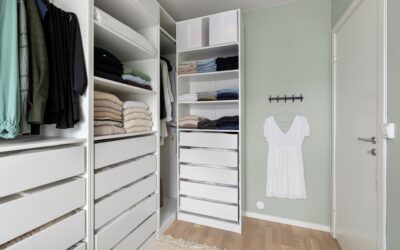
A closet either works for you or quietly works against you every single day. The inside of closet design determines whether getting dressed feels smooth or frustrating, and whether your belongings stay tidy or pile into chaos. Most builder-grade closets waste enormous amounts of space with a single rod and one high shelf. With the right layout and a few smart additions, you can often double your usable storage without expanding the footprint. This guide shows you how to plan a closet interior that actually performs.
- Start by Measuring and Assessing
- Use Vertical Space From Floor to Ceiling
- Get the Rod Heights Right
- Build in Shelves, Drawers, and Cubbies
- Solve the Shoe Problem
- Add Accessories That Punch Above Their Weight
- Keep It Organized Long Term
- Closet Systems: DIY vs. Custom
- Small Closet Strategies
- Final Thoughts
Start by Measuring and Assessing
Before buying a single organizer, measure the full interior: width, depth, and ceiling height. Note the location of the door, any light switches, and outlets. Then take stock of what you store. Counting your hanging items, folded clothes, shoes, and accessories tells you exactly how much of each storage type you need.
This step prevents the classic mistake of installing too many shelves and too little hanging space, or the reverse. Design the interior around your actual wardrobe, not a generic template.
Use Vertical Space From Floor to Ceiling
The single biggest improvement in most closets is going vertical. Standard closets stop at one rod and one shelf, leaving feet of dead air above and below. Adding a second hanging rod beneath the first nearly doubles space for shirts, pants, and folded-over garments.
Up high, install shelves all the way to the ceiling for items you reach for less often, like off-season clothing and luggage. Down low, the floor can hold shoe racks or drawers. Every vertical inch you reclaim is storage you did not have before.
Get the Rod Heights Right
Smart rod placement is what makes double-hanging possible. Different garments need different clearances, so match the zone to the clothing.
- Double-hang zone: Two rods, one around 40 inches and one near 80 inches, for shirts, jackets, and folded pants.
- Long-hang zone: A single rod around 68 to 72 inches high for dresses, coats, and robes.
- Medium-hang zone: One rod near 60 inches for pants hung full length and longer shirts.
Combining zones, with double-hanging on one side and long-hanging on the other, fits the widest range of clothing in the least space.
Build in Shelves, Drawers, and Cubbies
Hanging everything is inefficient. Folded items like sweaters, jeans, and T-shirts live better on shelves, where they stay visible and accessible. Adjustable shelving lets you adapt as your needs change. Drawers tucked into a closet keep socks, underwear, and accessories contained and free up dresser space in the bedroom.
Cubbies and dividers help corral bags, hats, and folded stacks so they do not topple. Keeping like items together in defined zones is what makes a closet stay organized over time rather than sliding back into a heap.
Solve the Shoe Problem
Shoes are the chaos point in most closets. Give them a dedicated system rather than letting them sprawl across the floor. Angled shelves, flat racks, clear stackable boxes, or over-door organizers all keep pairs together and visible.
Store everyday shoes at an easy height and tuck seasonal or special-occasion pairs higher or in labeled boxes. A clear floor instantly makes the whole closet feel larger and easier to use.
Add Accessories That Punch Above Their Weight
Small additions deliver outsized results. These details turn a basic closet into one that feels custom.
- Good lighting: A bright LED fixture or motion light makes finding things effortless.
- Hooks and pegs: For belts, scarves, bags, and robes on side walls or the back of the door.
- Pull-out valet rod: A handy spot to plan outfits or hang freshly ironed clothes.
- Slim velvet hangers: They save space and keep clothes from slipping off.
- Labeled bins: Keep high shelves orderly and easy to identify.
Keep It Organized Long Term
Even the best layout needs maintenance. Group clothing by type and color so you can find things fast and notice what you actually wear. A seasonal review, swapping summer and winter items, keeps the active wardrobe manageable. Pairing this with a one-in, one-out habit stops the closet from overflowing again.
Closet Systems: DIY vs. Custom
When it comes to outfitting the interior, you have a range of options at different price points. Wire and laminate kits from home improvement stores are affordable and adjustable, making them a great choice for most homeowners on a budget. Modular systems offer more flexibility, while fully custom built-ins deliver a polished, furniture-grade result at a higher cost.
For most people, a quality adjustable kit hits the sweet spot, since it lets you reconfigure shelves and rods as your needs change. Reserve custom millwork for a primary walk-in where the investment adds real daily value and resale appeal. Whatever you choose, anchoring everything securely into studs or with proper wall anchors keeps loaded shelves from pulling free.
Small Closet Strategies
Tiny closets demand the most creativity, but smart moves make a big difference. The key is squeezing function from every cubic inch without making the space feel cramped or cluttered.
- Double rods: The fastest way to roughly double hanging capacity in a shallow closet.
- Over-door organizers: Reclaim the back of the door for shoes, accessories, and small items.
- Slim hangers: Free up several inches of rod space across a packed closet.
- Stackable bins: Use vertical space on the high shelf for off-season storage.
- Pull-out baskets: Make deep, dark corners accessible and usable.
Decluttering aggressively also matters most in a small closet, since there is simply no room to store things you never use. Keep only what fits comfortably, and the space will function far better than its size suggests.
Final Thoughts
A well-planned inside of closet turns wasted vertical space into real, usable storage and makes every morning smoother. Measure first, build upward, set rod heights to match your clothing, and give shoes and accessories dedicated homes. Add good lighting and a few smart accessories, and even a small builder-grade closet can store far more while staying neat. Plan around how you really dress, and your closet will finally work for you.